The hum is the first thing you miss.
In a modern city, silence is an artificial construct, something we pay for with noise-canceling headphones or triple-pane glass. But in Havana, the hum—the vibration of ancient refrigerators, the buzz of streetlights, the whir of a fan cutting through the stagnant humidity—is the heartbeat of survival. When it stops, the silence doesn't feel peaceful. It feels like a physical weight. You might also find this related story interesting: The $2 Billion Pause and the High Stakes of Silence.
On a Tuesday night in late 2024, that heartbeat skipped. Then it stopped entirely.
From the vantage point of a satellite 22,000 miles above the Earth, the island of Cuba usually looks like a glittering electric lace draped across the dark velvet of the Caribbean. But as the national power grid collapsed, the lace unraveled. The bright clusters of Havana, Santiago, and Holguín blinked out, one by one, until the island became a black hole in the ocean. As extensively documented in recent coverage by The Guardian, the results are notable.
For the analysts at organizations like the University of Texas at Austin’s Energy Institute, the data was a series of flatlining sensors and "red alert" satellite thermal signatures. For Maria, a hypothetical but very real composite of the millions living through this, it was the sound of a freezer defrosting.
The Anatomy of a Cardiac Arrest
To understand why a whole nation goes dark, you have to look at the "iron lungs" of the country: the thermoelectric plants.
Imagine a massive, rusted machine built in the 1970s. It was designed to run on a specific type of fuel, maintained by parts that haven't been manufactured in thirty years. Now imagine trying to keep that machine running while someone slowly chokes off its air supply.
Cuba’s energy crisis isn't just about a lack of light. It’s a systemic failure of blood flow. The country relies heavily on imported fuel, primarily from allies like Venezuela and Russia. But as those allies face their own economic pressures or logistical nightmares, the tankers stopped arriving with their usual frequency. In 2024, shipments dropped by nearly 50% compared to previous years.
Without oil, the plants can't create steam. Without steam, the turbines don't spin. Without spinning turbines, the frequency of the entire national grid begins to wobble.
In electrical engineering, there is a concept called "grid frequency." It must stay within a very tight margin—usually 60 Hertz in the Americas. If the demand for power exceeds the supply, the frequency drops. If it drops too low, the equipment begins to physically shake. To save the machines from self-destructing, safety systems automatically disconnect them. It’s a domino effect. One plant trips, pushing its load onto the next, which then trips under the weight.
Within minutes, ten million people are left holding dead smartphones.
The Invisible Stakes of a Defrosting Freezer
When we read about "infrastructure buckling," we think of bridges or roads. We don't think about the smell of rotting pork.
In Cuba, food is gold. Because of the ongoing economic crisis, families save for weeks to buy a piece of meat or a carton of eggs. The refrigerator isn't a luxury; it’s a vault. When the power stays off for six, twelve, or twenty-four hours, the vault turns into a furnace.
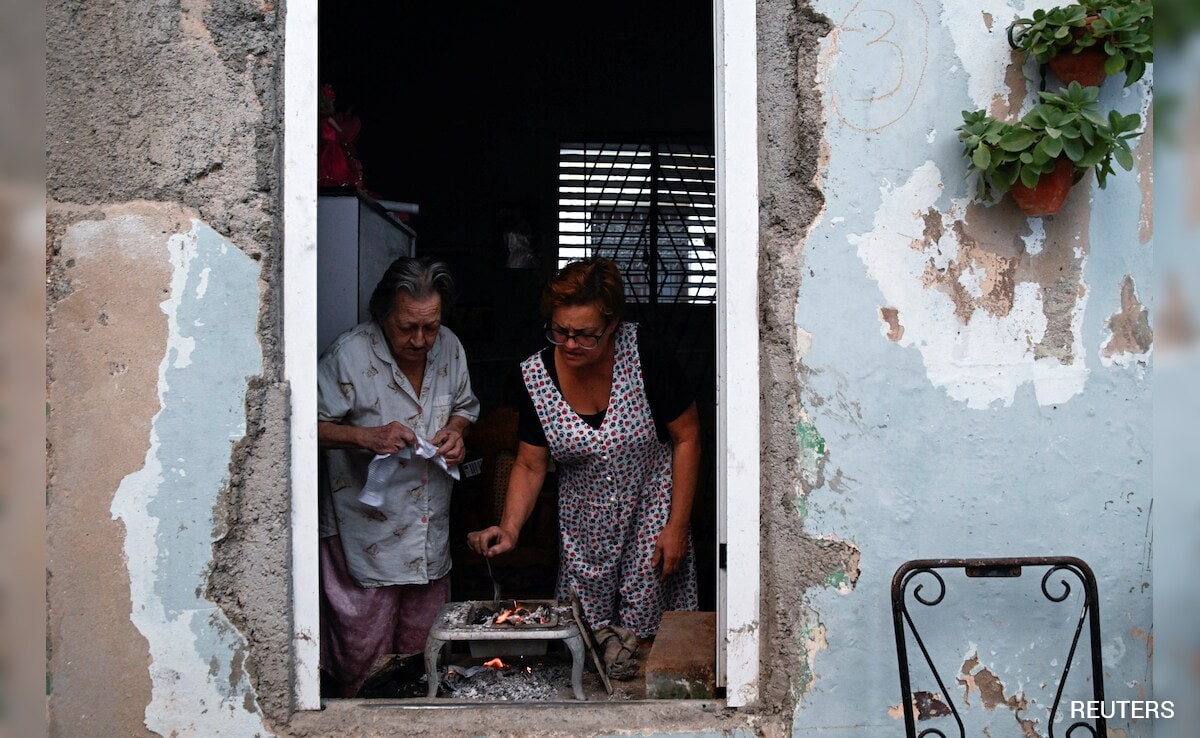
Maria stands in her kitchen in the dark. She opens the freezer door—just once, because every second it’s open, the cold escapes—and feels the soft, yielding texture of the chicken she bought with three months of savings. This is the human cost of a fuel shortage. It’s not just the absence of light. It’s the evaporation of wealth and the onset of hunger.
The darkness also changes the architecture of a city. Without streetlights, Havana’s crumbling splendor becomes a labyrinth of shadows. People move out onto their balconies or doorsteps, seeking a breeze that the electric fans no longer provide. The heat is a constant, suffocating companion. It gets into your bones. It makes tempers short and despair long.
Why the Sun Isn't Saving Them (Yet)
A common question arises whenever these satellite images surface: why not just use the sun? Cuba is a Caribbean island. It is drenched in solar radiation.
The answer is a frustrating mix of chemistry and capital. To transition a national grid to renewable energy, you need two things Cuba lacks: massive upfront investment and storage. Solar panels are great during the day, but the peak demand for electricity happens at night when everyone turns on their lights and stoves.
To bridge that gap, you need batteries. Giant, industrial-scale lithium-ion arrays.
Currently, renewables account for less than 5% of Cuba's energy mix. While the government has announced ambitious plans to reach 24% by 2030, the "iron lungs" are failing much faster than the new lungs are being built. It’s like trying to perform a heart transplant on a patient who is currently running a marathon.
The government has resorted to "floating power plants"—huge Turkish-owned barges moored in the harbors of Havana and Mariel. These are essentially massive diesel generators on water. They provide a temporary patch, a digital bandage on a gaping wound. But they, too, require fuel. When the tankers don't come, the barges go silent.
The Psychology of the Long Dark
Living in a state of permanent energy insecurity does something to the human psyche. It creates a "survival mode" that never switches off.
You learn to charge your phone at work because your neighborhood is scheduled for a blackout at 6:00 PM. You learn to cook dinner at 3:00 PM. You learn to recognize the specific click of a circuit breaker that signals the return of the hum—a sound that brings a momentary, jubilant rush of dopamine before the anxiety of the next shutoff sets in.
The satellite images that make headlines in the West are treated as a curiosity or a geopolitical data point. We see a darkened island and think of it as a technical failure.
But for those on the ground, the darkness is a thief. It steals the ability to study for an exam. It steals the safety of a walk home. It steals the dignity of a cold glass of water on a 95-degree day.
There is a specific kind of blue light that usually defines our modern world. It’s the glow of a tablet, the flicker of a television, the LED of a microwave clock. When that blue light vanishes, the world shrinks. You are left with only the sounds of the night: the stray dogs, the distant waves, and the heavy, humid breathing of a city waiting for the hum to return.
The tankers might eventually dock. The turbines might be patched with wire and hope. But every time the island disappears from the satellite view, a little more of the people's resilience is consumed by the dark.
The freezer continues to drip. The chicken continues to thaw. The silence remains heavy.
Would you like me to analyze the specific economic impact of these blackouts on Cuba's private sector or look into the logistics of the Turkish power barges?