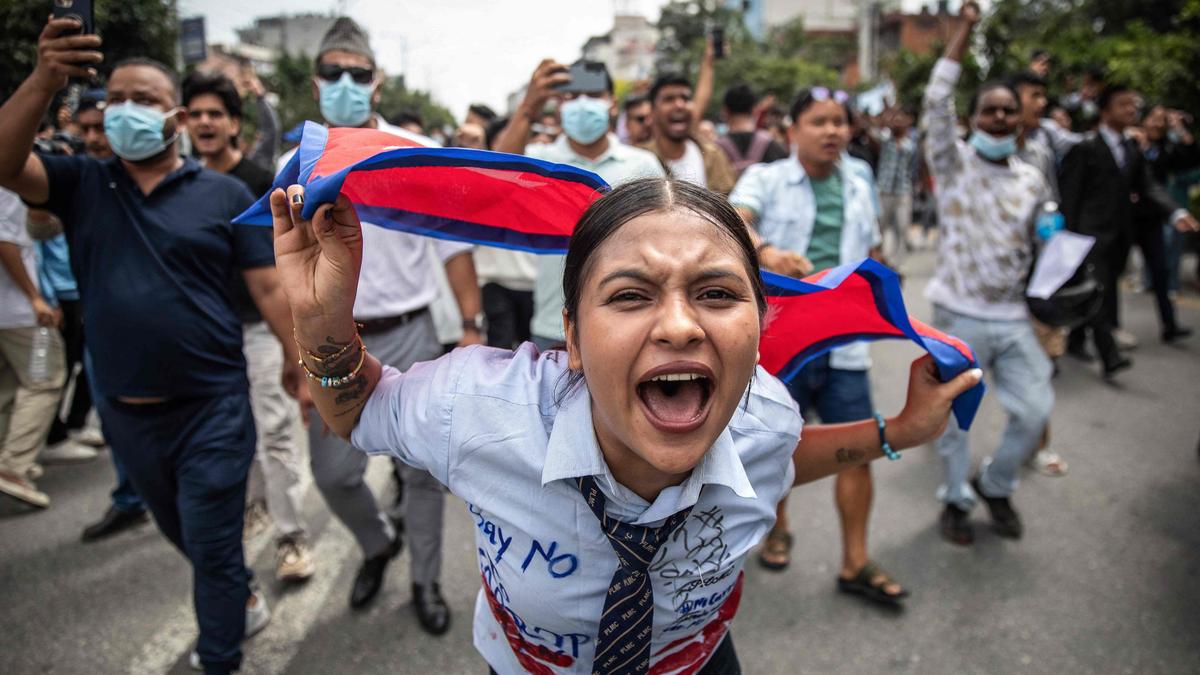
Nepal isn't the same country it was twenty years ago. If you haven't looked at a map or a news cycle lately, you might still think of it as a quiet Hindu kingdom tucked away in the Himalayas. That version of Nepal is dead. It’s gone. What we’re looking at now is a messy, loud, and incredibly complex federal republic that’s still trying to find its feet while two global giants, India and China, watch every single move from the sidelines.
The political metamorphosis of contemporary Nepal didn't happen overnight. It wasn't a clean transition. It was born out of a decade-long civil war that claimed over 17,000 lives and ended with a surprising 2006 peace deal that turned Maoist rebels into government ministers. Think about that for a second. Men who were living in the jungle and fighting the state suddenly had to learn how to draft a constitution and manage a national budget. It’s been a wild ride ever since.
Why the 2015 Constitution Changed Everything
The real turning point was 2015. After years of bickering, the Constituent Assembly finally passed a new constitution. This wasn't just a legal document. It was a complete re-engineering of the state. It officially turned Nepal into a secular, federal republic. For a country that had been a monarchy for 240 years, this was seismic.
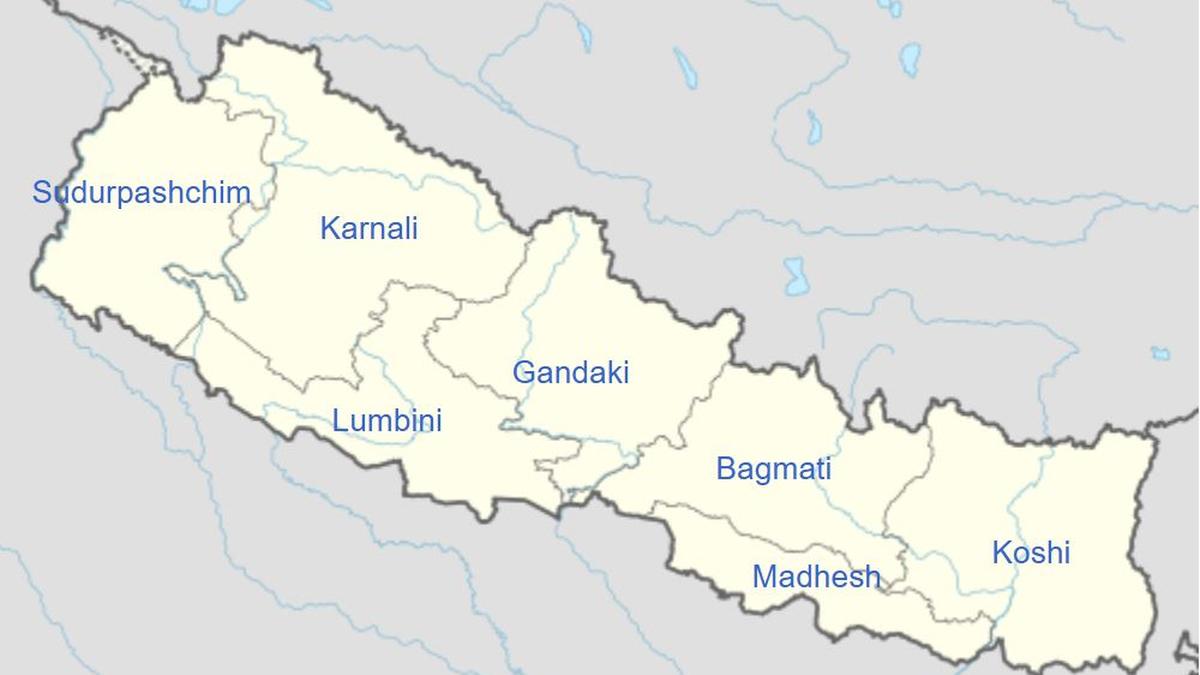
The shift to federalism divided the country into seven provinces. The goal was simple. Bring power closer to the people. Before this, everything was centralized in Kathmandu. If you lived in the far west or the southern plains, you felt ignored. Now, local governments have actual budgets. They have power. But let's be honest, it's been a logistical nightmare. Creating a new layer of government from scratch costs money that Nepal doesn't always have, and the friction between provincial leaders and the central government is constant.
The Maoist Factor and the Death of the Monarchy
You can't talk about modern Nepal without talking about the Maoists. Pushpa Kamal Dahal, better known by his nom de guerre "Prachanda," has been the ultimate kingmaker. He’s been Prime Minister multiple times, shifting alliances whenever the wind blows. One day he's partnered with the K.P. Sharma Oli and the UML (Unified Marxist-Leninist), the next he’s back with the Nepali Congress.
This constant shuffling of chairs at the top is why people get frustrated. You see the same faces, just in different combinations. Yet, the fact remains that the Maoists successfully pushed the agenda for social inclusion and the abolition of the monarchy. King Gyanendra left the palace in 2008 without a shot being fired. That’s rare in world history. Usually, when a monarchy falls, it’s a bloodbath. Nepal did it with a vote.
Geopolitical Tug of War
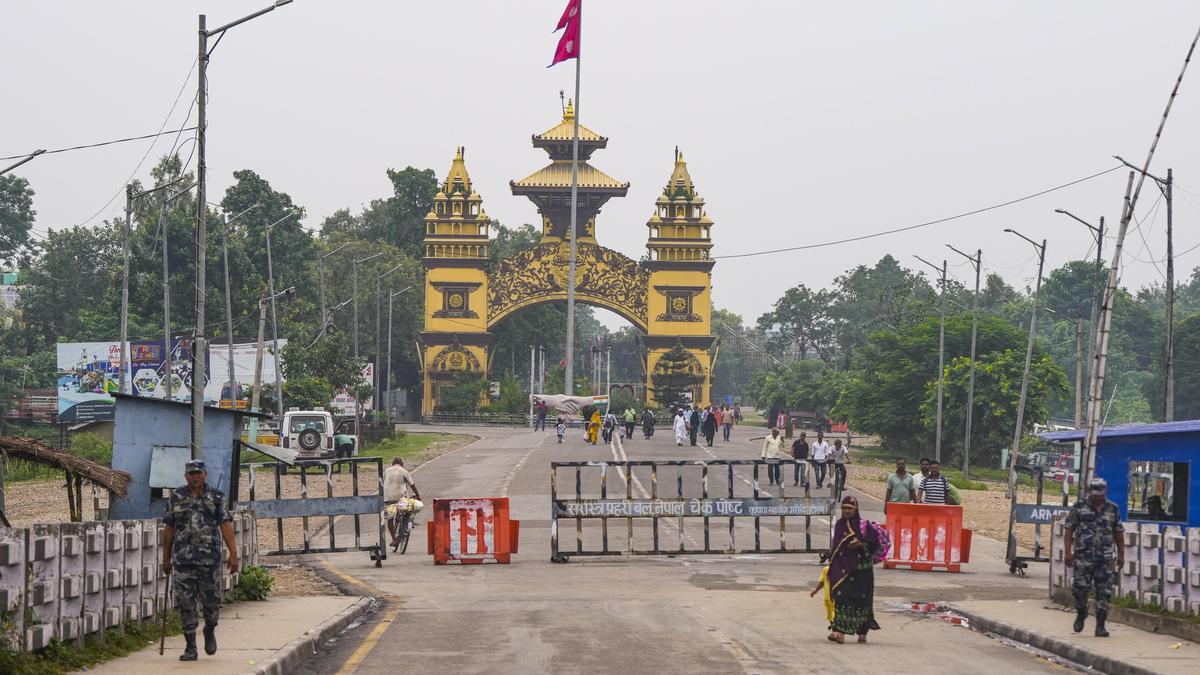
Nepal sits between India and China. That’s its greatest asset and its biggest headache. For decades, India was the dominant influence. They share an open border, a similar culture, and deep economic ties. But China has entered the chat in a big way.
Beijing is pouring money into infrastructure. We're talking about trans-Himalayan railways and massive hydropower projects. They want Nepal in their Belt and Road Initiative. Meanwhile, India worries about its "backyard" being compromised. Then you have the United States with the Millennium Challenge Corporation (MCC) grant, which sparked massive protests and a whole lot of conspiracy theories about American boots on the ground.
Nepal’s leaders have to play a delicate game. They need India’s fuel and trade routes, but they want China’s investment. If they lean too far one way, the other side pushes back. It’s a masterclass in survivalist diplomacy.
The Identity Crisis in the Terai
Not everyone is happy with the new Nepal. The Madhesi people in the southern plains, the Terai, feel the 2015 constitution didn't go far enough. They argue that provincial boundaries were drawn to keep them politically weak. This led to a months-long blockade in 2015-2016 that crippled the economy.
Identity politics is the undercurrent of everything here. For centuries, a small elite held all the power. Now, Dalits, Janajatis, and Madhesis are demanding their seat at the table. It’s noisy. It’s confrontational. But it’s also democracy in action. You're seeing a shift from a "subjects of the King" mindset to a "citizens of a republic" reality.
Corruption and the Brain Drain
Here’s the part that hurts. Despite all the political changes, the economy is struggling. Corruption is rampant. Scandals like the fake Bhutanese refugee case, where top officials were caught trying to smuggle Nepali citizens into the US by pretending they were refugees, show how deep the rot goes.
Because of the lack of jobs, thousands of young Nepalis leave every single day. They go to Qatar, Malaysia, or Dubai to work in construction. The country is basically run on remittances. These workers send money home, which keeps the economy afloat, but the social cost is huge. Villages are left with only the elderly and children. If Nepal doesn't figure out how to create local jobs, all this political "metamorphosis" won't mean much to the average person.
The Rise of the New Guard
There is a glimmer of hope. In the last elections, we saw the rise of the Rastriya Swatantra Party (RSP) and independent candidates like Balen Shah, who became the mayor of Kathmandu. People are tired of the old guard. They want tech-savvy leaders who care about garbage collection and school quality more than ideological debates about Marxism.
This is the next phase of the metamorphosis. The transition from "revolutionary" politics to "delivery" politics. The old leaders are in their 70s. The new generation is in their 30s and 40s. That's where the real friction is now. It's not just about left vs. right anymore; it's about old vs. new.
What You Should Watch For
If you're tracking Nepal's progress, stop looking at who is Prime Minister this week. It'll probably change again soon anyway. Instead, look at these three things:
- Local Government Performance: Are the municipalities actually spending their budgets on clinics and roads, or is the money disappearing?
- The Transitional Justice Process: Nepal still hasn't fully settled the war crimes from the civil war era. Until that’s done, the wounds won't fully heal.
- Hydropower Exports: Nepal has the potential to be the "battery of South Asia." If they can start selling massive amounts of electricity to India and Bangladesh, the economic story changes completely.
Don't expect a smooth ride. Nepal’s politics is a contact sport. It's messy, it's loud, and it's constantly evolving. But compared to where the country was twenty years ago—locked in a bloody war under an absolute monarch—the progress is undeniable. The metamorphosis isn't finished. It's just entering a more difficult, more practical stage.
To understand where it's going next, start following the provincial assembly debates in places like Madhesh or Karnali. That's where the real struggle for the soul of the new republic is happening right now. Pay attention to the infrastructure deals being signed with the Nepal Electricity Authority. The future isn't in the speeches in Kathmandu; it's in the power lines and the local council offices.