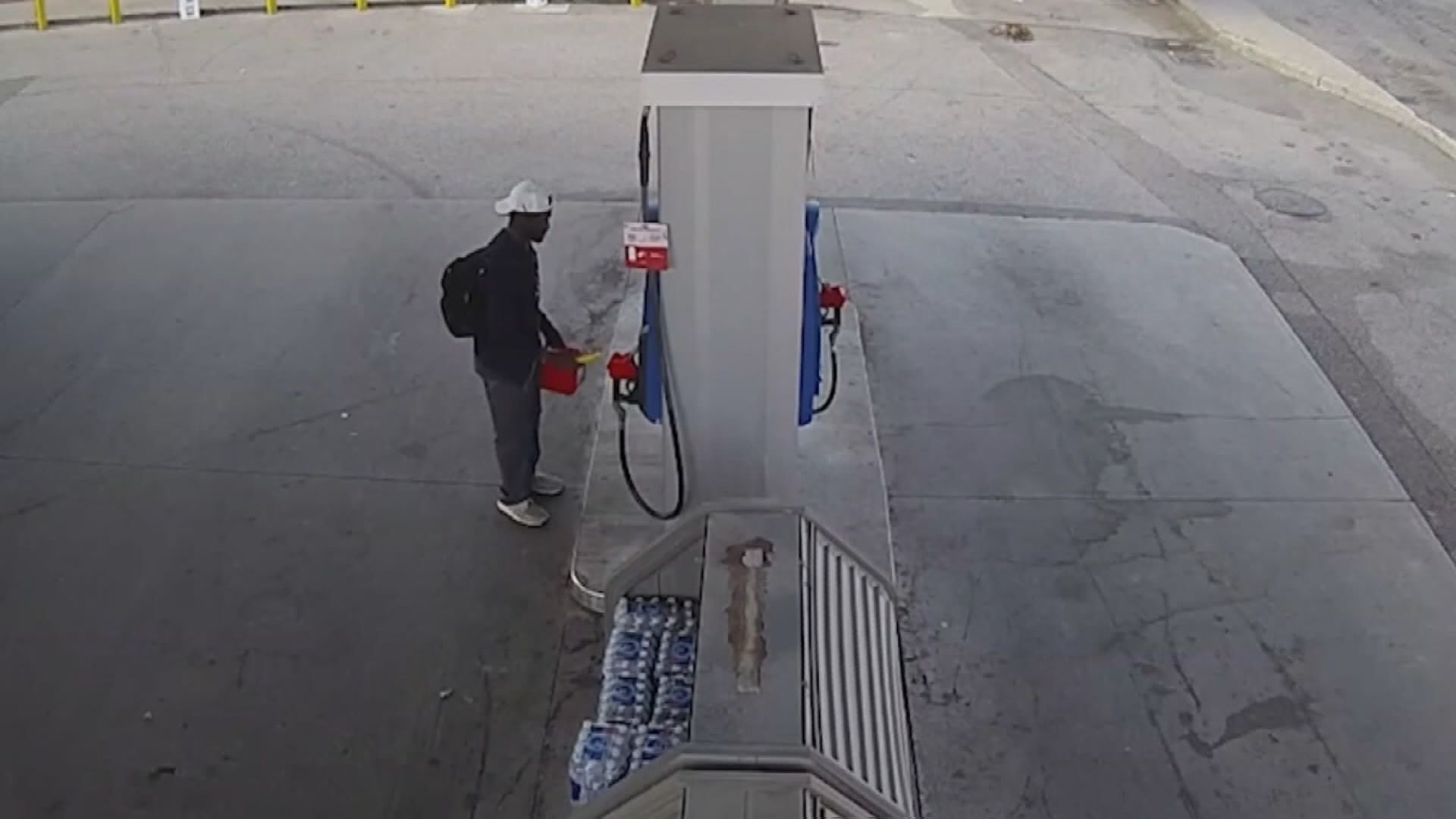
The headlines are predictable. A man kills his parents and tries to end his brother’s life. The gavel hits the block. A "life sentence" is handed down. The public breathes a collective sigh of relief, convinced that the scales of justice have finally been balanced.
They haven’t.
We are addicted to the theater of sentencing. We treat a life term as a definitive closure to a narrative of horror, but this "lazy consensus" ignores the logistical, psychological, and fiscal rot that defines our modern carceral state. If you think a life sentence for a parricide offender is a victory for society, you aren’t looking at the data. You’re looking at a sedative designed to keep you from asking what we are actually doing with the violent and the broken.
The Myth of Permanent Removal
The phrase "life sentence" is a linguistic trick. In most jurisdictions, it doesn't mean the person stays until their heart stops beating. It means a period of time—often 15, 20, or 25 years—after which a parole board starts the bureaucratic dance of risk assessment.
When we report on these cases, we ignore the "warehousing" effect. I have spent years tracking how penal institutions handle high-profile violent offenders. We don't rehabilitate them. We don't even effectively punish them in the way the public imagines. We place them in a stasis that costs taxpayers roughly $40,000 to $90,000 per year, depending on the state and the level of medical care required as they age.
Imagine a scenario where we spend $2 million over forty years to keep a man in a concrete box, only to have a parole board release him when he is seventy, toothless, and no longer a threat because he can barely walk. This isn't "justice." It’s a high-cost storage unit for human failure.
The Parricide Paradox
Society views killing one's parents as the ultimate taboo. It is the crime that breaks the most fundamental social contract. However, criminology experts like Kathleen Heide have spent decades pointing out that parricide is almost never a random act of "evil." It is the explosion at the end of a long, often invisible fuse of severe domestic dysfunction, untreated mental illness, or prolonged abuse.
The competitor articles love to focus on the "monster" in the courtroom. They want you to see a predator. But the reality is often more uncomfortable: a systemic failure that occurred years before the first shot was fired. By focusing strictly on the sentence, we ignore the diagnostic data that could prevent the next tragedy.
If we were serious about safety, the sentencing phase would be the beginning of a forensic deep-dive into the family’s history, not just a tally of years. We are so obsessed with the "what" that we have become allergic to the "why."
The Economic Absurdity of Retribution
Let’s talk about the money.
The public wants blood. The legal system gives them a bill.
- Trial Costs: Capital cases or life-without-parole cases often involve years of appeals, costing millions in public defender and prosecutorial resources.
- Geriatric Care: Prison populations are aging faster than the general public. By 2030, one-third of inmates will be over 50. We are effectively building the world's most expensive, least efficient nursing homes for people who committed crimes in the 1990s.
- The Opportunity Cost: Every dollar spent housing a parricide offender for forty years is a dollar not spent on the early-intervention mental health services that might have stopped him when he was a teenager showing the first signs of a break.
We are paying for the "feeling" of safety while the underlying causes of violent crime remain funded by crumbs.
The Victim’s Brother and the Fallacy of Closure
In this specific case, the brother survived. The media frames the life sentence as "justice for the survivor." This is a lie we tell to make ourselves feel better about a system that offers no real restorative options.
Does a life sentence heal the trauma of a brother who lost his parents and nearly his life to his own flesh and blood? No. It provides a temporary shield. True justice would involve a system that prioritizes the victim’s long-term psychological and financial restitution over the mere sequestration of the offender. Instead, the survivor is left to navigate the wreckage of a shattered family while the state spends millions on the perpetrator’s room and board.
We Need a Precision Model of Incarceration
The current model is a blunt instrument. We treat a 25-year-old who kills in a fit of psychosis the same way we treat a calculated serial predator.
- Abolish the "Life" Label: Replace it with "Indeterminate Clinical Confinement." If the goal is public safety, the release should be tied to neurological and psychological benchmarks, not a calendar date set by a judge who won't be alive when the term ends.
- Mandatory Forensic Audits: Every parricide case should trigger a mandatory, public-facing audit of the local social services and mental health systems that interacted with that family.
- Victim-Centric Resource Allocation: Divert a percentage of the "warehousing" costs directly to the survivors. The state shouldn't just take the criminal away; it should be held accountable for the mess he left behind.
We are stuck in a loop of outrage and sentencing. We celebrate the life term because it’s easy. It’s clean. It allows us to turn the page. But as the prison doors close, the real cost begins to accrue, and the next tragedy is already brewing in a household where the "system" is nowhere to be found.
Stop asking if the sentence was long enough. Start asking why we are so willing to pay for a grave but so hesitant to pay for a fence.
Go look at your local county’s budget for judicial appeals versus their budget for youth psychiatric intervention. You’ll see exactly why these headlines keep happening.