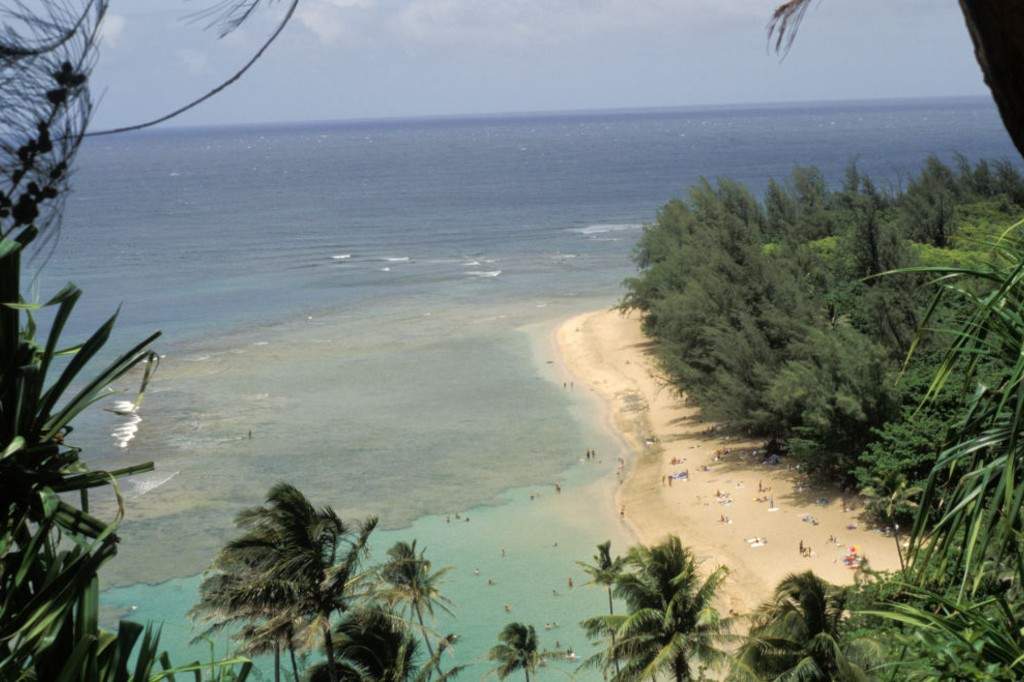
The clear blue waters off the Na Pali Coast have once again become a graveyard. On a Tuesday afternoon that began with the promise of breathtaking aerial views, a Robinson R44 helicopter carrying a pilot and two passengers plunged into the Pacific Ocean. There were no survivors. While the wreckage remains submerged in about 75 feet of water, the implications of this crash are already floating to the surface. This is not an isolated tragedy. It is the latest entry in a grim ledger that suggests the Hawaiian air tour industry is operating on a margin of safety that is thinning by the year.
Federal investigators from the National Transportation Safety Board (NTSB) are now tasked with pulling the pieces together. The initial report indicates the aircraft went down roughly a quarter-mile off the coast near the remote Hanakoa Valley. For those who know these ridges, the beauty is deceptive. The microclimates of Kauai create sudden, violent shifts in wind and visibility that can trap even seasoned aviators. Yet, as the investigation begins, the conversation must move beyond "pilot error" or "weather conditions" and address the systemic failures that keep these helicopters in the air despite a track record that would shutter almost any other transportation sector.
The Robinson R44 Problem
The aircraft involved in the latest Kauai tragedy was a Robinson R44. To the uninitiated, it looks like a sleek, nimble way to see the "Jurassic Park" waterfalls. To many in the aviation safety community, it represents a design philosophy that prioritizes cost-efficiency over redundancy.
Unlike larger, twin-engine helicopters used for medical evacuations or heavy lifting, the R44 is a light, single-engine machine. If that one engine quits over the jagged cliffs of the Na Pali Coast, the pilot has only seconds to find a landing spot. Over water, that means a ditching maneuver. In the rough swells of the Pacific, even a "successful" ditching can quickly turn fatal as the top-heavy aircraft tends to flip upside down, trapping occupants in a sinking cockpit.
Safety advocates have pointed to the R44’s mast-bumping issues and fuel system vulnerabilities for decades. While newer models have seen incremental improvements, the fundamental physics of a light, single-engine helicopter remains a gamble when flown in the high-stress environment of Hawaiian tour routes. These aircraft fly multiple sorties a day, often in high heat and salt-heavy air, pushing mechanical components to their absolute limits.
The Regulatory Dead Zone
The FAA and the NTSB have been at loggerheads for years regarding how to handle "Part 135" operators—the technical classification for most air tour companies. The NTSB frequently issues recommendations for stricter oversight, better flight data recorders, and more rigorous pilot training. The FAA, often citing the economic burden on small businesses, frequently demurs or delays implementation.
This creates a regulatory "gray space" where profit margins dictate safety protocols. In Hawaii, the pressure to fly is immense. A canceled flight is a lost several hundred dollars per seat. When you have a line of tourists waiting at the terminal with credit cards in hand, the temptation to "poke a hole" through a marginal weather front is a constant, nagging pressure on the pilot.
- Maintenance under pressure: High-frequency flight schedules mean less time for deep-dive inspections between tours.
- Pilot fatigue: Flying the same coastal loop six times a day in turbulent air is mentally exhausting, yet many operators push pilots to the legal limit of their flight hours.
- The "Safety" surcharge: Many companies market their safety records, yet they fight tooth and nail against mandates for terrain awareness systems or expensive flotation gear that actually works in high seas.
Why the Na Pali Coast is a Death Trap
The geography of Kauai is a pilot’s nightmare disguised as a photographer’s dream. The mountains rise nearly 4,000 feet straight out of the ocean. When the trade winds hit these walls, they create "rotors"—invisible horizontal tornadoes of air that can swat a light helicopter out of the sky.
In the Hanakoa Valley area where the crash occurred, the winds can accelerate through narrow canyons, creating sudden downdrafts. A pilot flying at 500 feet to give passengers a better view has almost zero recovery time if they hit a pocket of sinking air. We have seen this play out before. In 2019, a tour helicopter crashed in the Nu’alolo Valley, killing seven. The NTSB blamed that crash on the pilot's decision to continue flight into worsening weather, but that’s a simplification. The real cause was a culture that normalized flying in "marginal" conditions until the margin finally disappeared.
The Tourist Dilemma
Travelers arriving at Lihue Airport see the brochures and the Instagram posts. They assume that because a company is licensed by the government, the risks are managed. This is a dangerous assumption. Commercial airline travel is safe because of layers of redundancy and intense federal scrutiny. General aviation and air tours operate under a significantly lower safety threshold.
When you board a tour helicopter, you are essentially entering a pact with the operator that their maintenance and their pilot's judgment are flawless. But as this latest crash proves, flaws are inherent to the human condition and the mechanical world. The industry often hides behind the "adventure" label to excuse the inherent risks, but there is nothing adventurous about a preventable mechanical failure or a predictable weather encounter.
The Economic Shield
The air tour industry is a massive engine for the Kauai economy. It brings in millions of dollars and supports hundreds of jobs. This economic weight often acts as a shield against meaningful reform. Local politicians are hesitant to ground the industry or impose restrictions that might drive tourists to other islands.
However, there is a breaking point. Every time a helicopter disappears into the surf, the "Garden Isle" loses a bit of its luster. The cost of these crashes—in human life, in search and rescue resources, and in the emotional toll on the local community—is starting to outweigh the tax revenue generated by the flights.
Moving Toward a Hard Ceiling
If the industry wants to survive, it must accept a hard ceiling on how it operates. This means moving away from single-engine aircraft for over-water tours. It means mandatory, real-time weather tracking that can override a pilot's decision to fly. And it means a "no-fly" mandate when visibility drops below a certain threshold, regardless of the financial loss.
The NTSB will eventually release a final report on this latest tragedy. It will likely cite a combination of environmental factors and mechanical response. But the real report has already been written by the history of Hawaiian aviation. Until the FAA moves from "encouraging" safety to "enforcing" it, the blue waters of Kauai will continue to hide the wreckage of those who just wanted to see the view.
Check the tail number and the safety history of the specific aircraft before you book your next flight. If the operator can't or won't provide a detailed maintenance log and a breakdown of their pilot’s experience in Hawaiian terrain, walk away from the helipad.