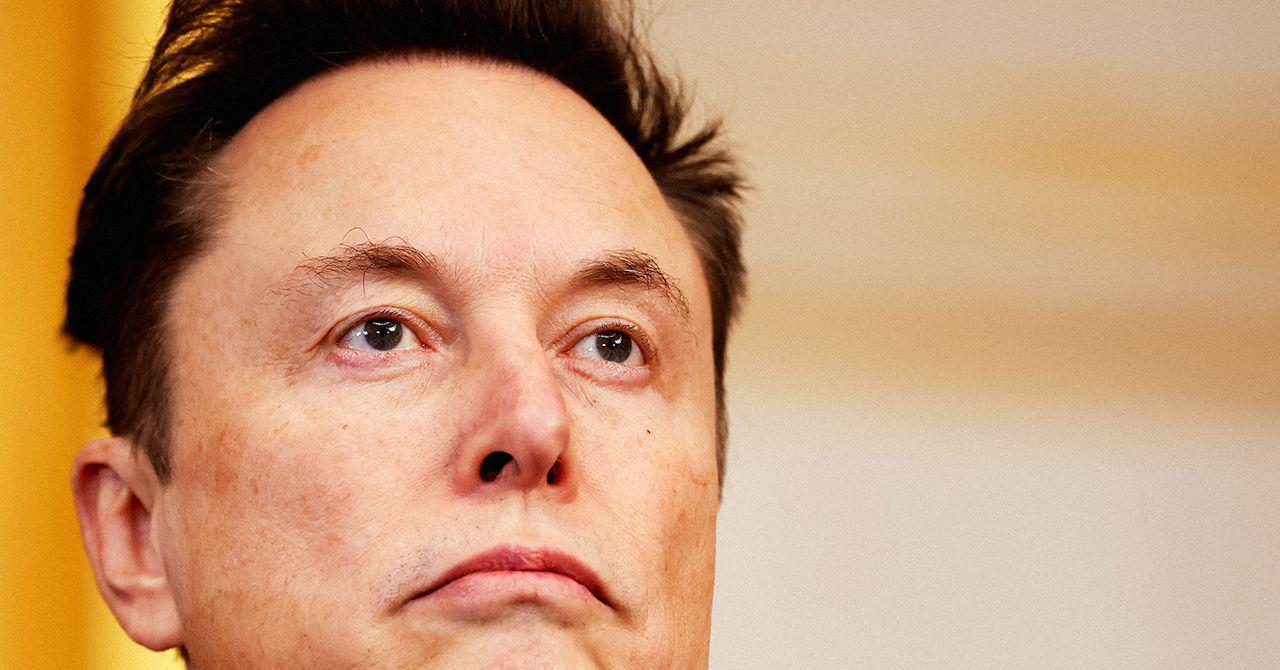
Michael O’Leary is screaming about the sky falling again. This time, the Ryanair boss is pointing at the UK’s fuel infrastructure, calling it the "most vulnerable" in Europe. He wants you to believe that a lack of pipelines and a reliance on imports is a ticking time bomb for your summer holiday.
He is wrong. More accurately, he is performing.
The "vulnerability" O'Leary describes isn't a systemic failure of British logistics. It is a convenient boogeyman used to distract from the real issue: the airline industry’s refusal to pay the market price for resilience. The UK isn't "weak" because it imports fuel; it’s efficient because it doesn't waste billions on redundant, state-funded storage that private corporations should be managing themselves.
The Import Myth: Why Being "Vulnerable" is Actually Efficient
The loudest complaint in the competitor’s narrative is that the UK relies too heavily on imported kerosene. The logic goes like this: if we don't refine it here, we can't control the supply. This is a 1970s mindset masquerading as modern strategy.
The UK closed refineries because they were old, dirty, and economically non-viable. To keep them open would have required massive taxpayer subsidies. By shifting to an import-heavy model, the UK plugged into a globalized, hyper-liquid market. If a refinery in the Middle East goes down, tankers redirect from the Gulf Coast or Asia within days.
Contrast this with a "protected" domestic market. If a single domestic refinery—like Fawley or Stanlow—suffers a technical failure or a strike, a domestic-centric supply chain snaps. Diversification through imports isn't a bug; it's a feature of a modern, resilient economy.
When an airline CEO calls this "vulnerability," what they actually mean is "I don't like price volatility." They want the government to de-risk their business model by building massive strategic reserves so the airlines don't have to carry the cost of hedging.
The Storage Scam
The UK’s jet fuel storage capacity is often cited as being lower than its European peers. We are told this is a crisis. In reality, it is a masterclass in Just-In-Time (JIT) logistics.
Airlines hate JIT because it removes their cushion. If there’s a glitch at a terminal, they have to cancel flights. But why should the infrastructure accommodate the failures of an airline’s scheduling?
- The Cost of "Safety": Maintaining massive fuel bunkers costs millions in capital expenditure and environmental compliance.
- The Reality of Demand: The UK is a massive island. We have more deep-water ports capable of receiving fuel than almost any other European nation.
- The Incentive Gap: If the UK "fixed" this by building more storage, the cost would inevitably be passed to the consumer or the taxpayer.
I have seen carriers burn through millions in "delay compensation" and then blame the fuel supply. They never mention that they chose not to contract for priority access or private storage because it would have shaved 2% off their quarterly margins. They gamble on the system being perfect, and when it isn't, they call it a national security risk.
The Pipeline Problem: A Choice, Not a Failure
The UK’s pipeline network, specifically the GPSS (Government Pipelines and Storage System), is aging. O’Leary and his peers point to this as a sign of decay.
Let's be clear: the pipelines are fine for the volume they were designed to carry. The "problem" is that airlines have scaled their operations far beyond what the existing infrastructure was ever intended to support. They grew the demand, but they expect the state to grow the pipes.
Imagine a trucking company complaining that the highway is too small for their new fleet of double-wide trailers. You wouldn't call the highway "vulnerable"; you'd tell the company to use smaller trucks or pay for a toll road.
The UK aviation market is the most competitive in the world. That competition has driven prices down for passengers, but it has also stripped the "fat" out of the system. You cannot have £19.99 flights to Malaga and a gold-plated, redundant fuel infrastructure. You have to pick one.
The Sustainable Aviation Fuel (SAF) Red Herring
The latest layer of this "vulnerability" talk involves Sustainable Aviation Fuel. The argument is that the UK is falling behind in SAF production, making us even more dependent on foreign energy.
This is the most disingenuous part of the entire debate.
- SAF is not a volume solution: Even the most optimistic projections show SAF making up a tiny fraction of total fuel burn for the next decade.
- The Tech is Unproven at Scale: Building SAF plants is a massive capital risk.
- The "Vulnerability" is Price, Not Supply: There is plenty of SAF being developed globally. The UK industry just doesn't want to pay the 3x-4x premium to import it.
By framing this as a "UK vulnerability," CEOs are lobbying for "Price Support Mechanisms"—a fancy way of saying "please use taxpayer money to make this fuel cheaper for us."
The Brutal Truth About Resilience
If the UK aviation market is "vulnerable," it’s because it is honest.
In many European markets, the state owns the airports, the airlines, and the fuel providers. They hide the costs of "resilience" in the national budget. You don't see the cracks because the taxpayer is constantly papering over them.
The UK has a de-coupled, privatized system. When there is a fuel shortage at Heathrow, the pain is visible, immediate, and expensive. This isn't a sign of a failing nation. It’s a sign of a market that actually functions. It forces airlines to internalize the risk of their own logistics.
Stop Asking if the UK is Vulnerable
The question "Is the UK the most vulnerable market?" is the wrong question. It assumes that "vulnerability" is a static condition caused by geography or government laziness.
The right question is: "Are UK airlines willing to pay for the stability they claim to want?"
The answer is a resounding no.
They want the profits of a deregulated, low-cost market, but the security of a state-controlled monopoly. They want the government to build the pipes, the refineries, and the storage tanks, while they continue to squeeze every penny out of the ground handling staff and the passengers.
The UK’s fuel infrastructure isn't a disaster. It’s a mirror. It reflects exactly how much the industry is willing to invest in its own future.
If O’Leary is worried about fuel disruption, he has three options:
- Build his own storage.
- Pay for long-term, fixed-price delivery contracts.
- Hedge his fuel costs more aggressively.
Doing none of these things and then complaining to the press isn't leadership. It’s a PR stunt designed to socialise the losses and privatise the gains.
The UK system isn't broken. It’s just no longer providing a free ride for the airlines. That isn't a crisis. It's the market finally waking up.
Stop listening to the panic. The planes will keep flying, the tankers will keep docking, and the fuel will keep flowing—as long as the people flying the planes stop expecting someone else to foot the bill for the safety net.