The Persian Gulf just hit a fever pitch. On Saturday, March 21, 2026, Iran’s military command explicitly threatened to level a specific region of the United Arab Emirates if the US uses it as a springboard to "liberate" disputed islands. This isn't the usual chest-thumping. We're looking at a direct ultimatum aimed at Ras Al-Khaimah. Tehran claims it has intelligence that a "regional country"—everyone knows it's the UAE—is helping the US plan a raid on Abu Musa and the Greater and Lesser Tunbs.
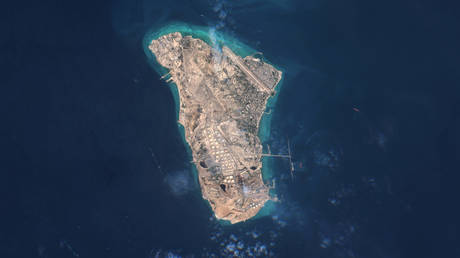
If you've been following the chaos since the February 28 strikes on Iran, you know the stakes are astronomical. The US and Israel already hit Kharg Island’s military sites earlier this month. Now, the focus has shifted to these three tiny, rock-strewn islands near the mouth of the Strait of Hormuz. Iran has occupied them since 1971, but the UAE has never stopped calling them stolen property. In the middle of an active war, these rocks are no longer just a diplomatic headache. They’re the front line.
The Ultimatum to Ras Al-Khaimah
The Khatam Al-Anbiya Central Headquarters didn't mince words. They warned that any "aggression" originating from UAE soil against Abu Musa or the Tunbs would trigger "heavy strikes" on Ras Al-Khaimah. It’s a calculated move. By naming a specific emirate, Iran is trying to drive a wedge into the UAE’s internal unity and scare off the Gulf Cooperation Council (GCC) from providing further logistical support to the US military.
I’ve watched these tensions simmer for years, but this is different. Iran is feeling existential pressure. With its power plants under threat and its oil hubs already scarred by "Operation Epic Fury," Tehran is using its last and most effective lever: the threat of total regional contagion. They’re basically saying, "If we lose our grip on the Strait, you lose your infrastructure."
- The Target: Ras Al-Khaimah, chosen for its proximity and strategic value.
- The Trigger: Any US-led ground operation or "raid" to seize the islands.
- The Context: Ongoing US and Israeli airstrikes that have already killed over 1,300 people in Iran since late February.
Why These Three Islands Matter So Much Right Now
You might wonder why anyone would risk a global depression over three small islands. It’s about the "jugular vein" of the world economy. Abu Musa and the Tunbs sit exactly where the Persian Gulf narrows into the Strait of Hormuz. About 20% of the world's oil flows through here.
Iran uses these islands as unsinkable aircraft carriers. They’ve packed them with anti-ship missiles, drone launch pads, and fast-attack craft. If the US or a GCC coalition actually seized them, Iran’s ability to "close" the Strait would vanish overnight. For Tehran, losing these islands means losing their only real deterrent against the US Navy. For the UAE, getting them back would be the ultimate national victory, but the cost of that victory might be the destruction of their own cities.
The Misconception About "Neutrality"
A lot of people think the Gulf states can just sit this out. They can't. The IRGC has already declared that any neighbor providing "soil, airspace, or waters" for attacks on Iran is a hostile combatant. We’ve already seen the results. Kuwait and the UAE have been intercepting drones and missiles for weeks. Iran is essentially trying to enforce a "neutrality by terror" policy. They want the UAE to tell the Americans to stay at their bases and keep their boots off the ground.
The Trump Factor and the "Deal" That Isnt
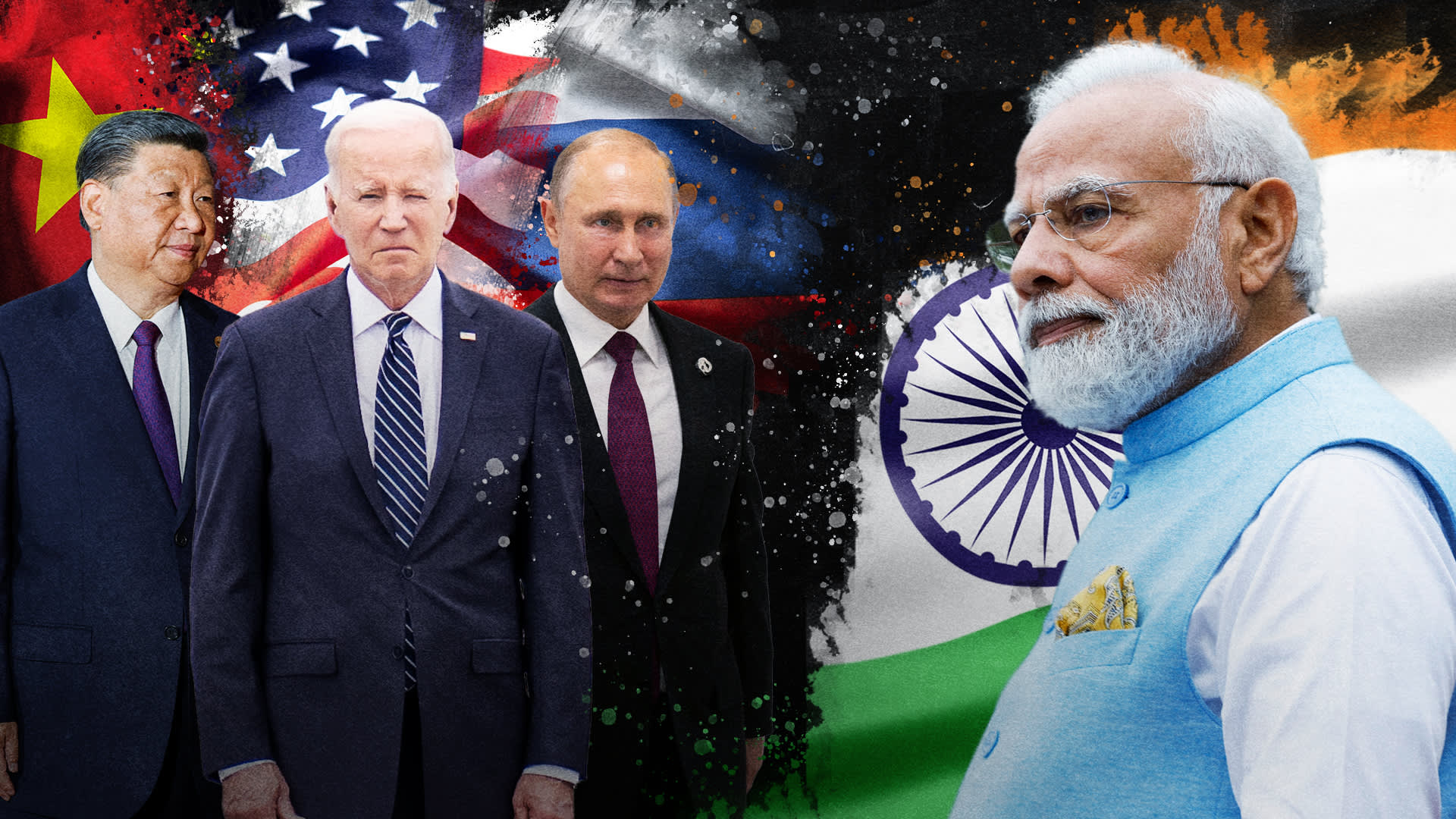
President Trump has been claiming he’s close to a "very good" deal with an unnamed Iranian leader. He even pushed back a deadline to strike Iranian power plants by five days. But on the ground, the rhetoric from Tehran is the exact opposite. Parliament Speaker Mohammad Bagher Qalibaf, wearing his IRGC uniform, is promising "homeland or death."
Don't buy the "negotiation" hype just yet. While Trump talks about deals to keep energy prices from hitting $150 a barrel, his commanders are reportedly looking at the "missing force multiplier"—seizing the islands to break Iran’s hold on shipping. It’s a classic high-stakes poker game, but the chips are real lives and global oil prices.
What Happens if the US Actually Raids Abu Musa
Let’s be real. If a US Marine unit or a GCC task force lands on Abu Musa, the "restraint" Iran keeps talking about will evaporate.
- Regional Infrastructure Hits: Iran will likely stop targeting military bases and start hitting desalination plants and power grids in the UAE and Saudi Arabia.
- The Red Sea Front: Iranian officials have already hinted at opening "surprise fronts" in the Red Sea via the Houthis to stretch US naval resources thin.
- Total Maritime Blockade: While a permanent closure of the Strait is hard to maintain, Iran can make it so dangerous with mines and "suicide" drones that no insurance company will cover a tanker.
Immediate Steps to Watch
If you're tracking this for business or just trying to understand if the world is about to break, watch the flight paths and naval movements around the southern Gulf.
- Monitor Ras Al-Khaimah and Fujairah: Any surge in US "logistics" activity here will likely trigger an Iranian response.
- Watch the IEA: The International Energy Agency is already releasing reserves. If they trigger another massive release, it means they expect the Strait to get a lot more violent.
- Ignore the "De-escalation" Rhetoric: Pay attention to the Khatam Al-Anbiya statements. In the Iranian system, the military's "operational" warnings carry more weight than the Foreign Ministry's diplomatic tea-leaf reading.
The situation is incredibly volatile. Iran isn't just warning a "regional country" anymore; it's naming targets. You're looking at a scenario where a single miscalculation on a tiny island could shut down 20% of the world’s energy supply by dinner time.
Keep an eye on the Strait. The next 72 hours will tell us if Trump’s "deal" is real or if we’re heading for a full-scale amphibious war in the Gulf.