The world keeps waiting for a massive shift in Tehran's nuclear policy, but it isn't coming. Recent statements from Iranian officials confirm the country’s nuclear doctrine remains exactly where it’s been for years. They aren’t building a bomb, or at least they say they aren't. Yet, the real story isn't just about centrifuges and enrichment levels. It's about the Strait of Hormuz and a sudden, sharp demand for a "new protocol" in one of the most volatile shipping lanes on the planet. If you’ve been following the headlines, you know the tension feels different this time.
The Reality of the Nuclear Doctrine
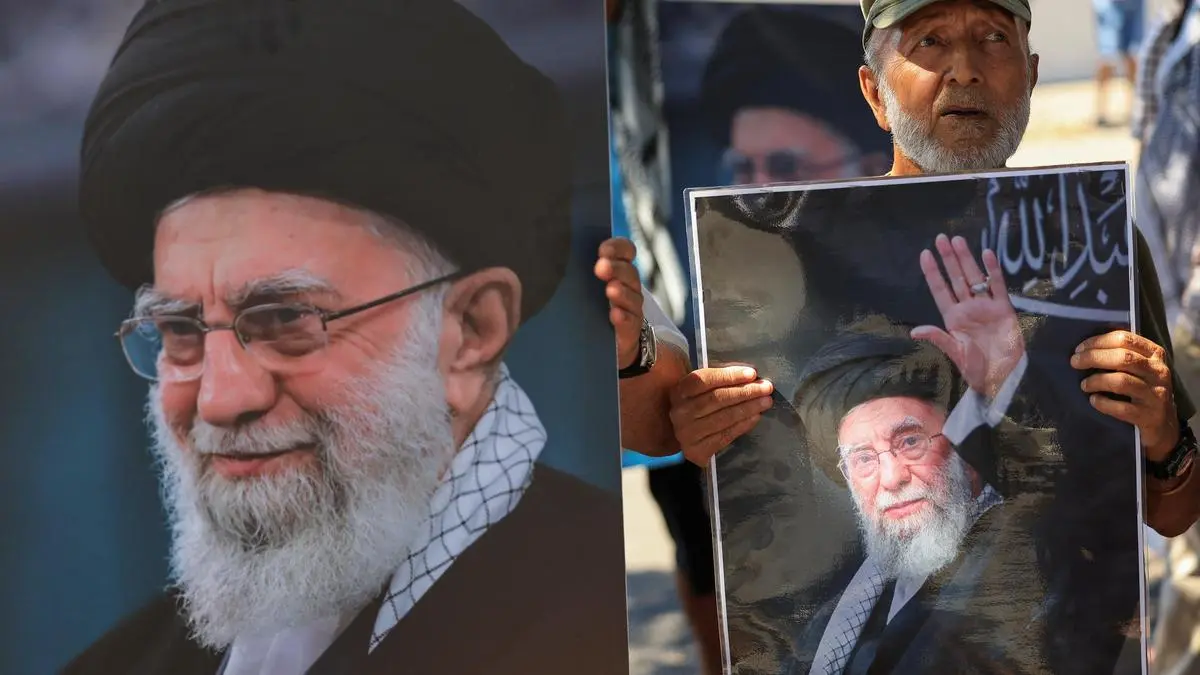
Iran’s leadership has been playing a very specific game of chess. For a long time, the official line has been based on a fatwa—a religious decree—issued by Supreme Leader Ali Khamenei that bans the development of nuclear weapons. Critics in the West often call this a convenient smokescreen. Regardless of what people believe, the Iranian government continues to insist their nuclear program is for peaceful energy and medical research. Meanwhile, you can find related stories here: The Cold Truth About Russias Crumbling Power Grid.
Kamal Kharrazi, a senior advisor to the Supreme Leader, recently reiterated that there’s no immediate plan to change this stance. But there's a catch. He also hinted that if Iran faces an "existential threat," all bets are off. That’s the "strategic ambiguity" that keeps intelligence agencies up at night. They want the world to know they have the technical capability to pivot, even if they claim they won't. It’s a deterrent without a physical warhead.
I’ve watched this cycle repeat for a decade. The rhetoric gets heated, everyone panics about "breakout time," and then Tehran settles back into its stance of "peaceful intent." What’s different in 2026 is the regional context. With shifting alliances in the Middle East and the breakdown of old nuclear agreements, Iran feels it has more leverage than ever. They don't need to change their doctrine to be a threat; they just need everyone to know they could. To see the complete picture, we recommend the detailed analysis by The New York Times.
Redefining the Rules in the Strait of Hormuz
While the nuclear talk feels like a rerunning script, the situation in the Strait of Hormuz is a brand-new season. Iranian officials are now calling for a "new protocol" for the waterway. This is a massive deal. About a fifth of the world's total oil consumption passes through this narrow chokepoint. If Iran decides the old rules don't apply, global energy markets are going to feel the heat instantly.
The current "protocol" is largely governed by the United Nations Convention on the Law of the Sea (UNCLOS). Even though Iran hasn't formally ratified it, they’ve generally followed the "transit passage" rules. Now, they’re signaling that the presence of foreign navies—specifically the U.S. and its allies—makes the old ways obsolete. They want more control. They want to be the ones who decide who gets a free pass and who gets "inspected."
Honestly, this is a power grab disguised as a security concern. By demanding a new protocol, Tehran is testing how far they can push the international community. If they can successfully redefine how ships move through Hormuz, they effectively hold a knife to the throat of the global economy. It’s not about safety. It’s about dominance in their backyard.
Why the West is Misreading the Room
Western diplomats often approach Iran like it’s a problem to be solved with the right combination of sanctions and incentives. That’s a mistake. Tehran doesn't see itself as a "problem." It sees itself as a rising regional power that’s finally standing up to "Western hegemony."
When Iran says their nuclear doctrine is unlikely to change, they’re telling the truth for now. Why would they change it? The current status quo allows them to keep their enrichment programs running while avoiding the total international isolation that would follow a confirmed weaponization. They’re getting exactly what they want without the "bomb" label.
The real danger is the miscalculation. If a foreign vessel in the Strait of Hormuz refuses to follow a "new protocol" and an Iranian Revolutionary Guard boat decides to get aggressive, we aren't talking about diplomacy anymore. We're talking about a hot conflict. The world is so focused on the "nuclear clock" that it’s ignoring the "maritime fuse" that’s burning much faster.
The Economic Fallout of a New Maritime Order
Think about your gas prices for a second. Now imagine a scenario where every tanker coming out of the Persian Gulf has to pay a "security fee" or undergo a "sovereignty inspection" by Iranian forces. That’s what a "new protocol" looks like in practice. It creates friction. Friction leads to delays. Delays lead to price spikes.
- Insurance costs: Maritime insurance for tankers would skyrocket if the protocol becomes unpredictable.
- Supply chain delays: Even a 24-hour holdup in the Strait ripples through global markets for weeks.
- Geopolitical shifting: Countries like China, which rely heavily on Gulf oil, might be forced to side with Iran’s "new rules" just to keep the lights on.
The Strait is barely 21 miles wide at its narrowest point. It’s a crowded, dangerous place to play politics. Iran knows this. They’re using the geography of the region as a weapon just as much as they use their centrifuges.
What This Means for 2026 and Beyond
We’re entering a period of "controlled instability." Iran isn't going to go nuclear tomorrow, and they aren't going to close the Strait of Hormuz entirely. Both of those moves would invite a level of retaliation they aren't ready for. Instead, they’ll keep pushing the boundaries.
They’ll increase enrichment to 60% or 90% "for research." They’ll harass a tanker here and there to enforce their "new protocol." It’s a strategy of incrementalism. If you move the line an inch every day, eventually you’ve moved it a mile, and nobody knows when to start the fight.
Basically, the nuclear doctrine stays the same because it’s a perfect shield. The Hormuz protocol changes because it’s a perfect sword.
If you're a business leader or an investor, you can't just watch the nuclear headlines. You have to watch the water. The next major global shift won't happen in a lab in Natanz; it'll happen on the deck of a destroyer in the Gulf. Pay attention to the regional security meetings in the coming months. If Iran starts getting other Gulf nations to agree to even a fraction of their "new protocol," the balance of power has shifted for good. Keep an eye on shipping data and insurance premiums. Those are the real indicators of how this plays out. Don't wait for the official announcement because, by then, the price of everything will already have changed.