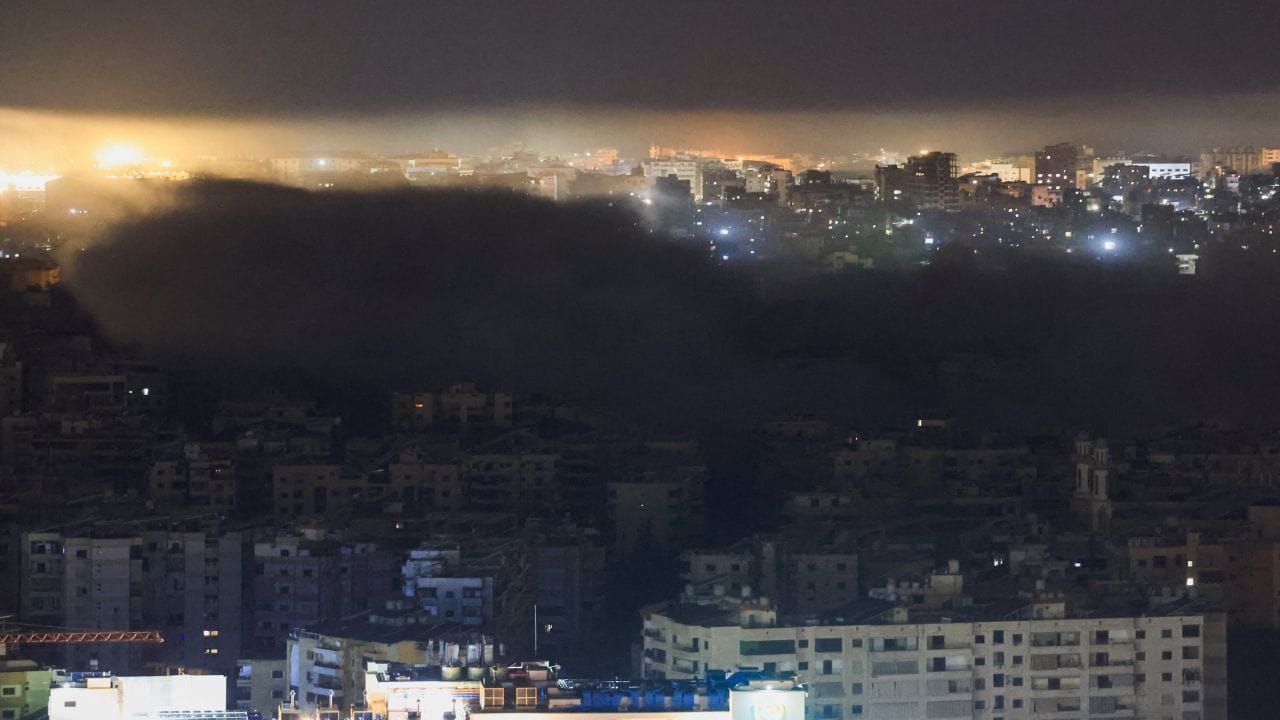
The Middle East doesn’t do "simple" anymore. If you’ve been watching the news, you probably noticed a shift in how Tehran is playing its hand. Reports now indicate that Iran is pushing for any potential ceasefire in the region to include Lebanon, specifically targeting the escalating friction between Israel and Hezbollah. It's a calculated move. It’s not just about peace; it's about survival for their most important regional partner.
For months, the world focused on the Gaza Strip. But as the northern border of Israel turned into a constant exchange of rockets and drone strikes, the stakes changed. Tehran realized that letting Lebanon sit on the sidelines of a Gaza deal was a strategic mistake. They want a package deal. They’re betting that by tying these two fronts together, they can protect Hezbollah from a full-scale Israeli ground invasion that could dismantle decades of Iranian investment.
The Strategy Behind the Dual Front Requirement
Iran’s logic is pretty straightforward once you strip away the diplomatic jargon. They view the "Axis of Resistance" as a single, breathing organism. If one limb is under pressure, the others must react. By demanding that Lebanon be part of any ceasefire agreement, Iran is trying to prevent Israel from "isolating" its enemies.
Israel’s military strategy has often relied on dealing with one threat at a time. Finish the job in the south, then turn the full might of the IDF toward the north. Iran knows this. They’ve seen the troop movements. They’ve heard the rhetoric from Israeli officials about "returning the residents of the north to their homes." Tehran’s demand is a preemptive strike against that plan.
It’s a high-stakes gamble. If Iran succeeds in linking the two, Israel faces a dilemma. They either stop fighting everywhere or continue fighting everywhere. There is no middle ground. For Hezbollah, this is a lifeline. It allows them to stop the bleeding without looking like they’ve abandoned the Palestinian cause.
Why Hezbollah Needs This Deal Now
Let’s be honest about Hezbollah’s position. They’re tough, they’re disciplined, and they’ve got an massive arsenal. But they aren't invincible. The constant low-level war has taken a toll on Lebanon’s already crumbling infrastructure. The Lebanese public is exhausted. They don't want another 2006.
Hezbollah is walking a tightrope. They have to show solidarity with Hamas to maintain their "resistance" credentials, but they can't afford a total war that levels Beirut. Iran’s push for a unified ceasefire gives Hezbollah an exit ramp. It’s an "all-or-nothing" approach that gives the group cover to stop firing rockets while claiming they forced Israel into a broader concession.
The Problem With the Single Ceasefire Approach
Western mediators, particularly from the U.S. and France, have tried to decouple these conflicts. They wanted to fix the Lebanon border through separate diplomatic channels, often involving some version of UN Resolution 1701. The idea was to move Hezbollah forces back from the border and bring in the Lebanese Army.
Iran just threw a wrench in those gears.
By insisting Lebanon be included in the Gaza talks, Tehran has effectively sidelined these independent diplomatic efforts. They're making it clear that the road to peace in the north runs through Gaza. This complicates things for the Biden administration, which was hoping for a quick win on the Lebanese border to prevent a wider regional conflagration. Now, every time a Gaza deal stalls, the threat of a full-scale war in Lebanon spikes.
What This Means for Israel
Israel isn't likely to just say "okay" to this. From the perspective of the Israeli war cabinet, Hezbollah is a separate and distinct threat from Hamas. They argue that even if Gaza goes quiet, Hezbollah’s presence on the border is an existential threat to northern Galilee.
The Israeli government is under immense domestic pressure. Tens of thousands of displaced citizens are living in hotels, unable to return to their farms and homes near the border. For Benjamin Netanyahu, a ceasefire that leaves Hezbollah’s elite Radwan forces right on the fence is a political death sentence. He needs a "win" in the north that looks like security, not just a pause in the rain of fire.
Iran's demand makes it much harder for Israel to accept a Gaza deal. If accepting a pause in Gaza means they can't address the Hezbollah threat, many in the Israeli military might prefer to keep the engines running. It’s a classic deadlock.
The Regional Ripple Effect
This isn't just about two borders. It's about the Red Sea, it’s about Iraq, and it’s about Syria. Iran is using the Lebanon ceasefire demand to signal that they control the thermostat of regional stability. If the international community wants the shipping lanes in the Red Sea to stay open or the drone attacks on U.S. bases to stop, they have to play by Iran's rules.
It’s power politics at its most raw. Tehran is effectively saying that the regional "fire" won't be put out in patches. You either douse the whole thing or it keeps burning. This puts mediators in Qatar and Egypt in a tough spot because they have less influence over Hezbollah than they do over Hamas.
What Happens if the Linkage Holds
If Iran sticks to this demand and the international community can't break the link, we’re looking at a much longer conflict. The complexity of a "global" regional ceasefire is ten times higher than a localized Gaza deal. You have to balance Israeli security, Lebanese sovereignty, Hamas’s survival, and Iran’s regional standing all at once.
It’s messy. It’s loud. And it’s incredibly dangerous.
The most likely outcome? We see a period of "controlled escalation." Both sides will push the boundaries to see who blinks first. Israel might increase its targeted assassinations in Lebanon to prove that a ceasefire isn't the only way to degrade Hezbollah. In response, Iran might greenlight more sophisticated strikes from its proxies in Yemen or Iraq.
Moving Forward With This Information
If you’re trying to make sense of the daily headlines, stop looking at these conflicts as separate events. They aren't. Every move in the Gaza negotiations now has a direct impact on the hills of southern Lebanon.
Keep an eye on the diplomatic language coming out of Beirut. If the Lebanese government starts echoing Tehran's "linked ceasefire" rhetoric, you know the deal is solidified. Also, watch the U.S. envoy Amos Hochstein. If his visits to the region become less frequent, it's a sign that the separate Lebanon track is dead and the "Iran-linked" reality has taken over.
For anyone following regional security or energy markets, this linkage is the most important variable to track. It means the "Gaza risk" is now officially "Regional risk." Plan your outlook accordingly. Don't expect the northern border to quiet down until the southern one does, regardless of what the UN says.