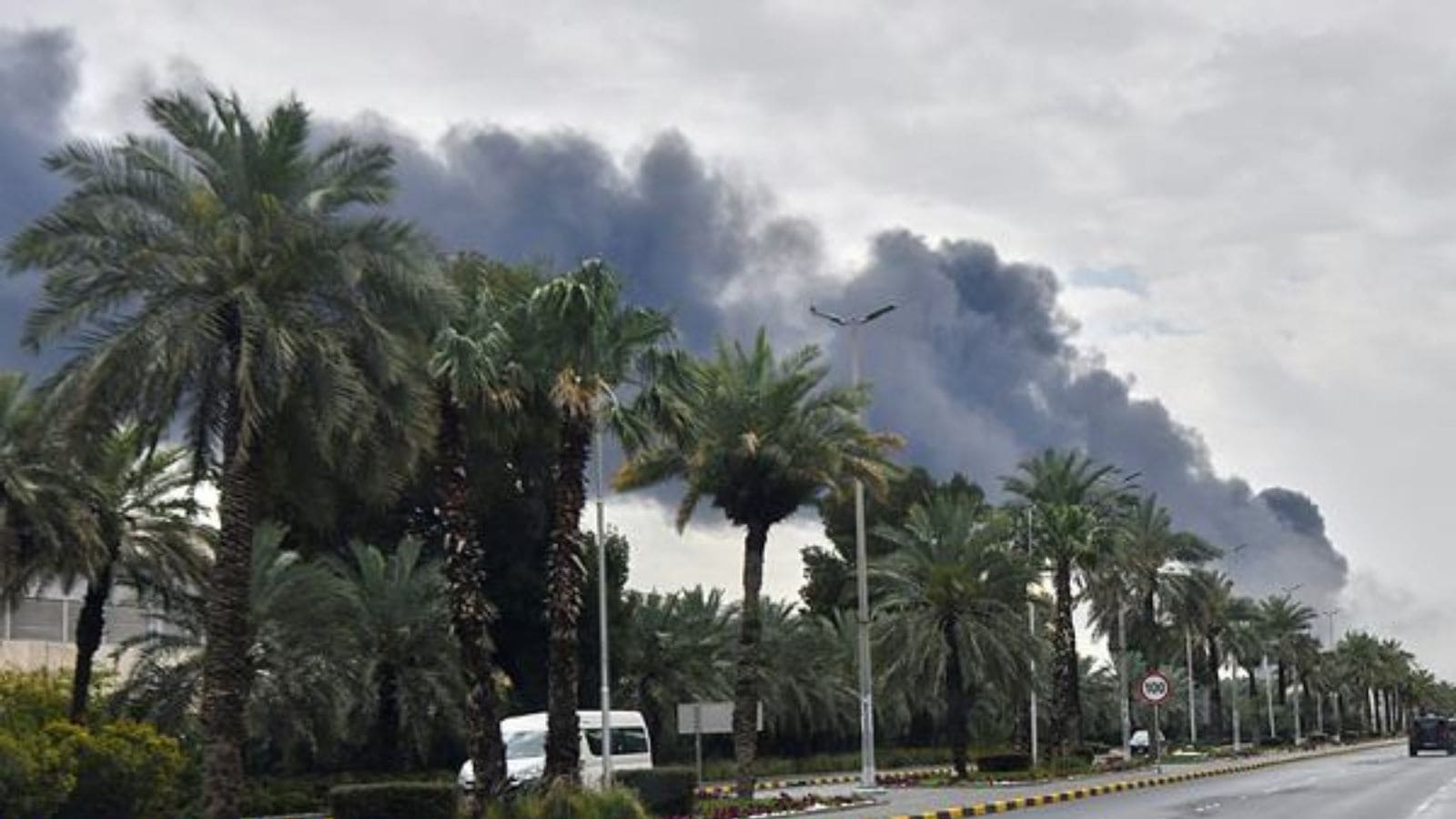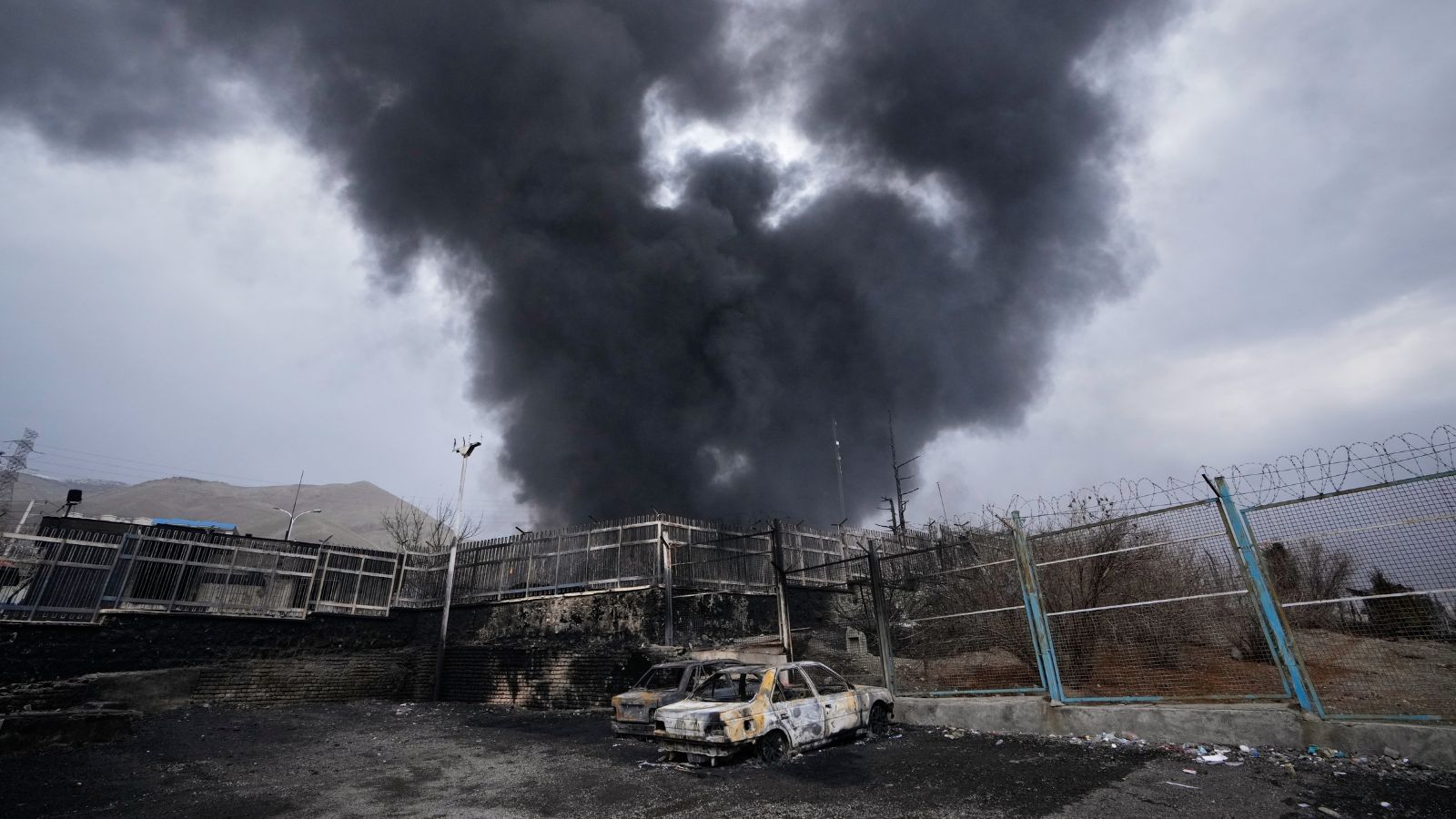
The Strait of Hormuz isn't actually closed. It’s just closed to "enemies." That’s the word from Iranian Foreign Minister Abbas Araghchi, and it’s a distinction that’s currently keeping the global energy market from a total meltdown. While the US-Israel-Iran war enters its second month with missile exchanges and mounting casualties, Tehran is playing a very specific diplomatic hand by hand-picking who gets to pass through the world's most sensitive chokepoint.
If you're in India, China, or Russia, you’re on the "friendly" list. If you're the US or Israel, you’re effectively locked out.
The Strategic Logic of Friendly Passage
Araghchi’s announcement on Wednesday wasn’t just a random update. It’s a calculated move to drive a wedge between the US and its "partners" who aren't directly involved in the fighting. By allowing vessels from India, China, Russia, Iraq, and Pakistan to transit, Iran is ensuring it doesn't accidentally trigger a global coalition against itself.
Think about it. If Tehran completely choked off the 20% of the world’s oil and LNG that flows through that narrow two-mile wide lane, they’d have the entire planet—including their few remaining allies—at their throats. Instead, they’re choosing their targets. They’ve basically turned the Strait of Hormuz into a "members-only" club where the membership fee is neutrality or support.
I’ve seen this kind of Brinkmanship before, but the scale here is different. Iran is essentially proving they have the "on/off" switch for global inflation. By letting Indian-flagged carriers like the Pine Gas and Jag Vasant through, as they did earlier this week, they’re telling New Delhi: "We’ve got your back, as long as you don't pick the other side."
Tolls and Taxes at the Gate
There’s a cynical side to this "friendly" passage that isn't getting enough attention. Reports from the Fars news agency suggest the Iranian parliament is drafting a bill to formalize this. They want to charge a fee for "providing security" in the Strait.
It’s basically a maritime protection racket.
If this bill passes next week, even "friendly" nations might have to pay a toll to exercise what international law usually considers a right of transit. This is Iran’s way of monetizing the conflict while simultaneously asserting legal sovereignty over waters that the rest of the world considers international.
Who is actually getting through?
- India: Critical for energy and fertilizer security.
- China: Iran’s biggest oil customer and a diplomatic heavyweight.
- Russia: A key strategic partner in the current regional architecture.
- Pakistan and Iraq: Immediate neighbors where stability (or at least lack of total hostility) is a priority for Tehran.
The Humanitarian and Economic Reality
While Araghchi talks about "safe passage," the reality on the ground is chaotic. UN Secretary-General António Guterres is sounding the alarm because even with these exceptions, the global supply chain is "choking." We’re in the middle of the global planting season. When fertilizer and gas don't move, food prices spike six months later.
It’s easy to get lost in the talk of missiles hitting Tel Aviv or US CENTCOM strikes on Iranian airbases in Bandar Abbas. But for the average person, the war in the Strait is felt at the gas pump and the grocery store. Brent crude is already hovering around $104 a barrel. If Iran decides a "friendly" nation isn't being friendly enough tomorrow, that number hits $150 overnight.
What This Means for India
For India, this is a tightrope walk. New Delhi has been working the phones, with officials talking to both Tehran and Washington. On one hand, you have the US pushing for a naval mission to "ensure freedom of navigation." On the other, you have Iran saying, "You can pass, but only if you coordinate with us and ignore the Americans."
Following the Iranian rules basically means acknowledging their right to control the Strait. Refusing to follow them means risking a multi-billion dollar tanker and the lives of Indian sailors. It’s a no-win scenario that’s currently being managed one ship at a time.
The fact that two Indian LPG carriers made it through recently is a good sign, but it’s not a permanent solution. It’s a temporary reprieve in a war that shows no signs of slowing down, despite President Trump’s claims that a "deal" is right around the corner.
Keep a close eye on the "maritime toll" bill in the Iranian parliament next week. If Tehran starts demanding hard currency from India and China just to move oil through what should be open water, the "friendly" label is going to start feeling a lot more like an invoice.
If you're tracking specific shipments or looking for live maritime data, your best bet is to follow the Ministry of Shipping’s daily briefings. They’re the ones with the most accurate "ground truth" on which Indian vessels are actually clearing the Strait and which are still waiting in the Gulf of Oman.