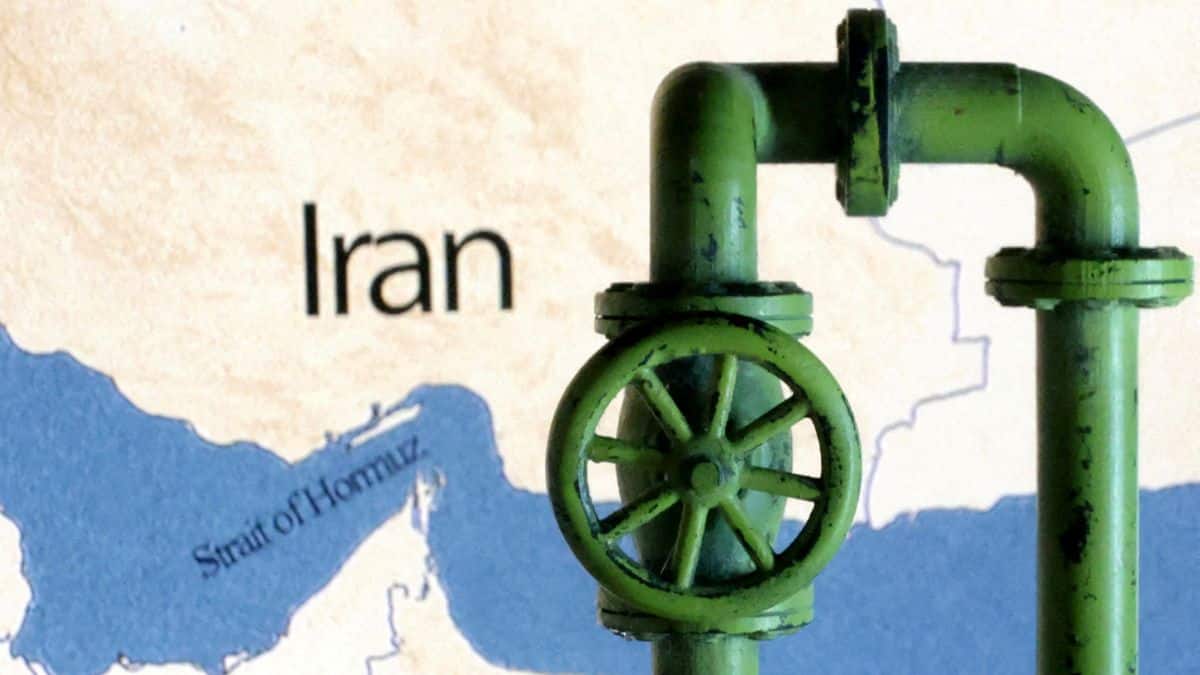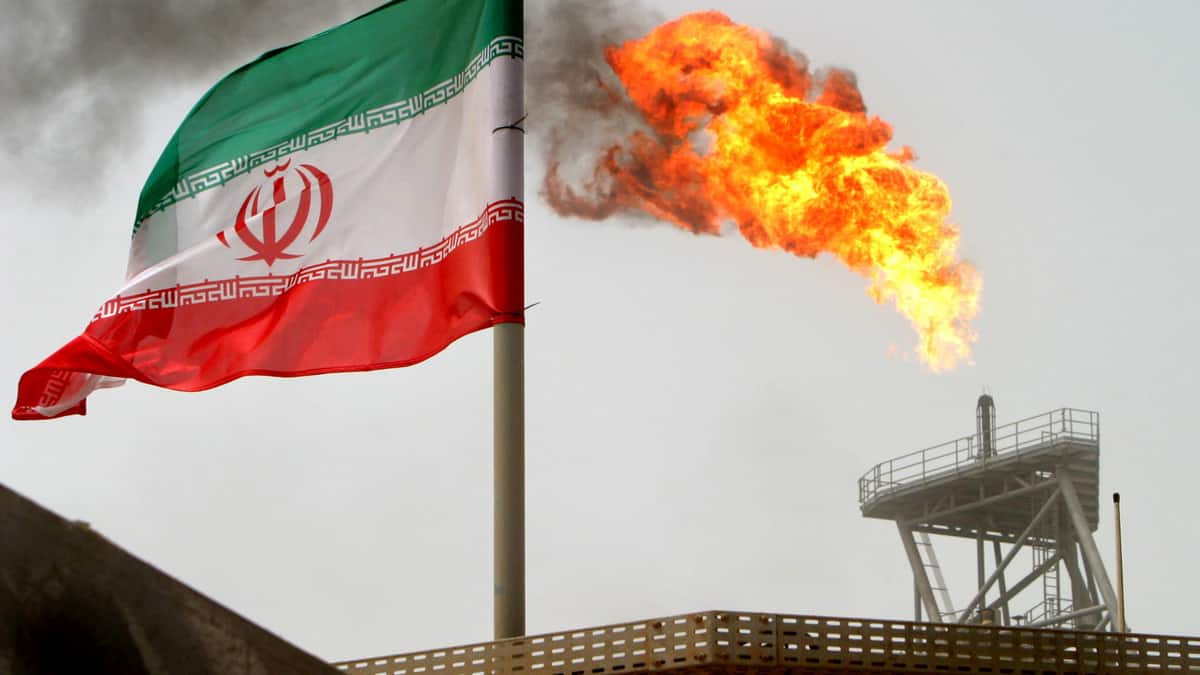
The steel needle on a dashboard flicker is a tiny thing. It’s a sliver of plastic, usually red or white, marking the difference between a smooth commute and a stranded afternoon. But that needle is tethered to a ghost. It is connected by invisible, high-tension wires to a stretch of water thousands of miles away called the Strait of Hormuz. When a shadow falls over those waters, the needle on your dashboard starts to feel heavy.
We are currently watching a slow-motion collision between geopolitical brinkmanship and the global kitchen table.
Iran has issued a warning that isn’t just a headline in a financial terminal. It’s a threat to the fundamental math of modern life. They are speaking of $200 oil. To the suit-and-tie crowd in Manhattan or London, that’s a data point on a spreadsheet, a reason to rebalance a portfolio. To a father in Ohio or a delivery driver in Lyon, it’s a predatory tax on existence.
The Choke Point
Picture a funnel. At the wide end, you have the vast, churning hunger of the global economy—factories in Shenzhen, heating systems in Berlin, and every single Amazon delivery van currently zig-zagging through suburban streets. At the narrow end of that funnel is a strip of water only twenty-one miles wide at its narrowest point.
This is the throat of the world’s energy supply. Roughly one-fifth of the world’s total petroleum consumption passes through this gap. When Iran suggests that a regional war in the Gulf will "rattle" markets, they aren't talking about a light vibration. They are talking about a cardiac arrest.
If that throat closes, even partially, the sheer physics of supply and demand takes over. It isn't a linear climb. It’s an explosion. $200 per barrel isn't just a scary number. It’s the point where the machinery of the West begins to grind against its own gears.
The Man in the Middle
Let’s look at Elias. He isn't real, but his bank account is. Elias runs a small landscaping business. He has three trucks, six employees, and a razor-thin margin. When oil sits at $75 a barrel, Elias can plan for his daughter’s braces. He can think about replacing the aging mower that leaks oil like a wounded animal.
Now, move the needle.
At $150 a barrel, Elias stops looking at new mowers. He starts looking at his route density. He tells his workers they can’t idle the trucks to keep the AC running during lunch. The stress starts to show in the way he grips the steering wheel.
At $200 a barrel, Elias is no longer a business owner. He is a volunteer for the oil companies. Every dollar he earns in labor is immediately siphoned away by the black liquid required to move his tools from Point A to Point B. His "business" becomes a mechanism for transferring wealth from his local community to global energy markets.
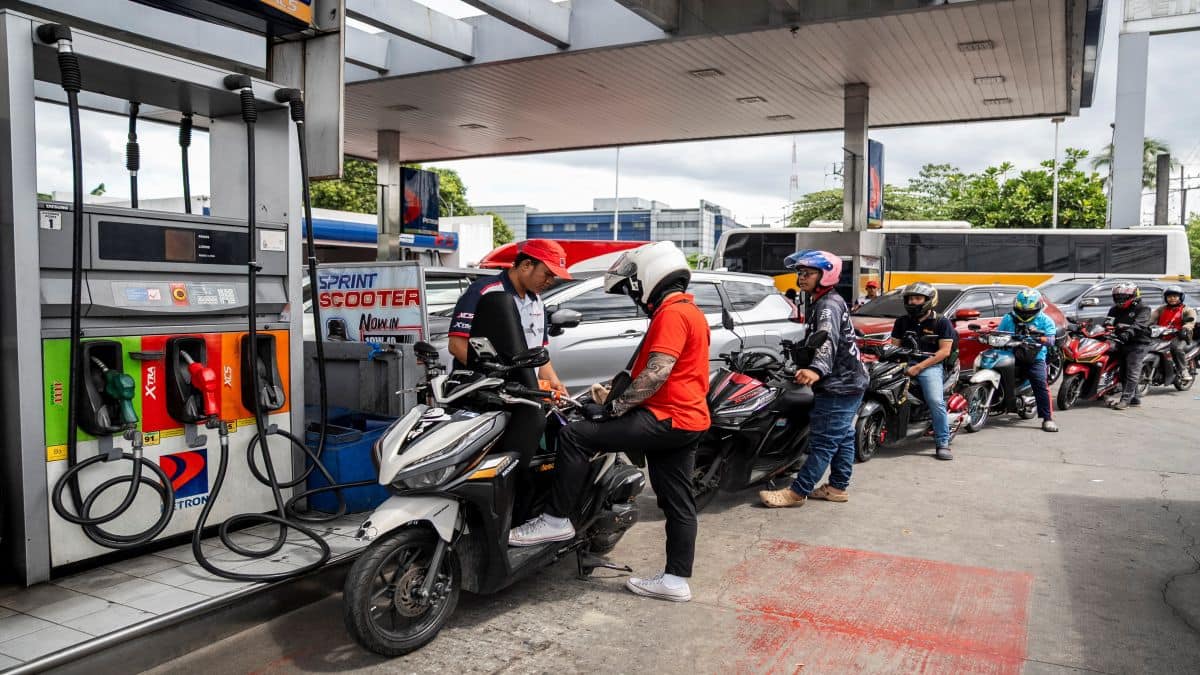
This isn't just Elias's problem. It’s the cost of your morning gallon of milk. It’s the price of the polyester in your shirt. It’s the inflation that no central bank can "manage" away with interest rates because you cannot print more oil.
The Architecture of Fear
Why is the market so twitchy? Because the oil market doesn't trade on what is happening today. It trades on the terror of what might happen tomorrow.
Markets are essentially giant, collective anxiety sensors. When a regional power like Iran signals that the "world should brace," they are intentionally feeding that anxiety. It’s a form of psychological warfare where the weapon is the price of a gallon of regular unleaded.
Consider the "Risk Premium." This is the extra amount of money buyers pay just because they are afraid of a future shortage. Usually, it’s a few dollars. In a Gulf war scenario, the risk premium becomes the entire price. People aren't buying oil because they need it today; they are hoarding it because they are terrified it won't be there on Tuesday.
The Gulf isn't just a place on a map. It’s a nervous system. A strike on a refinery or a tanker isn't just a local tragedy. It’s a signal that travels at the speed of light to every trading floor on the planet.
The Arithmetic of Collapse
Economists like to use sterile terms like "demand destruction." It sounds like a controlled demolition in a laboratory.
In reality, demand destruction is a mother choosing between filling the tank to get to work or buying the "good" groceries for the week. It’s a trucking company going bankrupt because they can’t honor contracts signed when fuel was half the price. It’s a domino effect where the first tile is a missile in the Persian Gulf and the last tile is a "Going Out of Business" sign in a town you’ve never heard of.
The math of $200 oil is brutal. Most global economic models start to fracture when energy costs consume more than a certain percentage of GDP. We aren't just talking about a recession. We are talking about a fundamental shift in how we move, eat, and exist.
A World Held Captive by Geography
We like to think we live in a digital age. We talk about the "cloud" and "virtual" assets. We act as though we have transcended the physical world.
But we are still biological creatures who need heat and physical goods. Those goods are moved by burning prehistoric plants. We are still tied to the geography of the 13th century. A few batteries and solar panels are a wonderful start, but they cannot yet carry the weight of 8 billion people.
When the Gulf rattles, the digital world feels the shockwaves. The servers that hold your photos need cooling. The cooling needs electricity. The electricity, in many parts of the world, still comes from the very stuff that passes through that twenty-one-mile-wide throat.
The Price of Silence
The warning from Iran is a reminder of our fragility. We have built a skyscraper of global commerce on a foundation of cheap, flowing liquid. We have assumed the foundation is permanent.
But foundations can be cracked.
The current tension isn't just a "news story" to be consumed and forgotten. It’s a flashing yellow light on the dashboard of civilization. It’s a reminder that our comfort is a fragile thing, predicated on the hope that the people guarding the world’s choke points don't decide to squeeze.
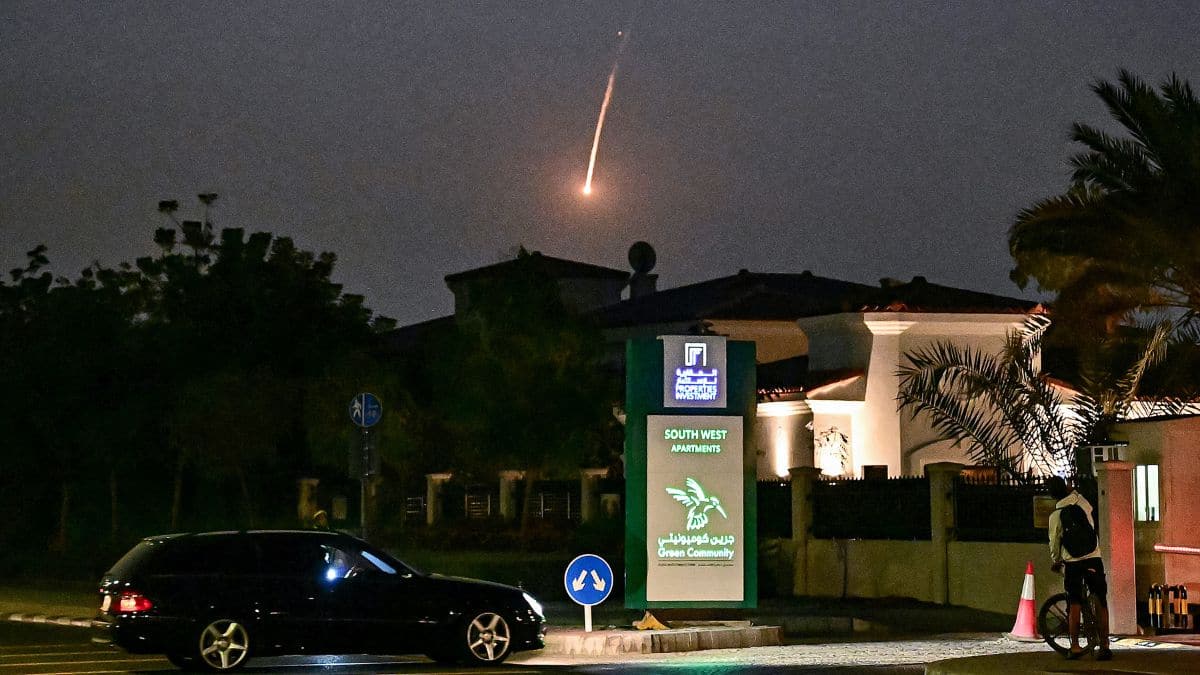
As the rhetoric sharpens and the warships move into position, the cost isn't just being measured in lives or political capital. It’s being measured in the quiet, desperate calculations being made at kitchen tables across the globe.
The ghost in your gas tank is waking up. And it’s hungry.
The needle is moving toward empty, and for the first time in a generation, we aren't sure if the next station will be open, or if we can even afford what’s inside the pump.