Sri Lanka was minutes away from the lights going out for good. Imagine a whole country running on empty, with ambulances stuck at stations and bakeries shutting doors because there wasn't a drop of diesel left. That’s the reality the island nation faced before India stepped in with a massive 38,000 metric tonne fuel shipment. This wasn’t just a trade deal. It was a high-stakes rescue mission that changed the geopolitical temperature of South Asia overnight.
When you look at the sheer scale of the crisis, a single shipment of 38,000 metric tonnes of diesel might sound like a drop in the ocean. It isn’t. For a country paralyzed by 10-hour power cuts and miles-long queues at pumping stations, this delivery acted as the ultimate circuit breaker. India didn't just send fuel; they sent a message that they're the first responder in the region. This move by the Indian Oil Corporation (IOC) via the Credit Line agreement wasn't just about charity. It was about preventing a neighboring economy from falling into a black hole.
Why this fuel shipment was the turning point for Colombo
Most people don't realize how close Sri Lanka came to a complete systemic failure. The economy relies on diesel for more than just SUVs. It powers the thermal plants that keep the national grid alive. Without this specific 38,000-tonne delivery, the Ceylon Electricity Board would've had to pull the plug on essential services.
India’s neighborhood first policy isn't just a catchy slogan for diplomats. In this instance, it meant moving fast. While other global powers were busy calculating interest rates or weighing political risks, New Delhi extended a $500 million Line of Credit specifically for fuel. This shipment was part of that lifeline.
You’ve got to appreciate the logistics here. Getting that much fuel across the Palk Strait and into the hands of the Ceylon Petroleum Corporation (CPC) during a period of massive civil unrest takes more than just a signed paper. It takes a level of trust that most nations don't have.
The mechanics of the 500 million dollar credit line
Let’s talk numbers because they matter. The Indian government didn't just hand over a check. They set up a system where Sri Lanka could source fuel without immediate dollar outflows. Since Sri Lanka’s forex reserves had basically evaporated, this was the only way to keep the pumps running.
- Speed of delivery: Shipments were arriving almost every few weeks.
- Variety of fuel: It wasn't just diesel. Petrol shipments were also prioritized to keep the transport sector moving.
- Distribution: Indian Oil’s local subsidiary, Lanka IOC, played a massive role in ensuring the fuel actually reached the people instead of sitting in storage.
Some critics argued that India was just buying influence. Honestly, even if they were, the alternative for the average person in Colombo was a dark house and no way to get to work. When you're hungry and your phone is dead because there's no power, you don't care about the long-term debt-to-GDP ratio. You care about the tanker pulling into the harbor.
The ripple effect on regional stability
If Sri Lanka had completely collapsed, the refugee crisis alone would have overwhelmed southern India. By stabilizing the energy sector, India essentially bought time for the Sri Lankan government to negotiate with the IMF.
It’s a classic case of proactive diplomacy. You prevent the fire from spreading to your own yard by helping your neighbor put it out. India has now provided over $3 billion in total support, including food, medicine, and currency swaps. But the fuel shipments remain the most visible and immediate form of help.
What the critics get wrong about Indian aid
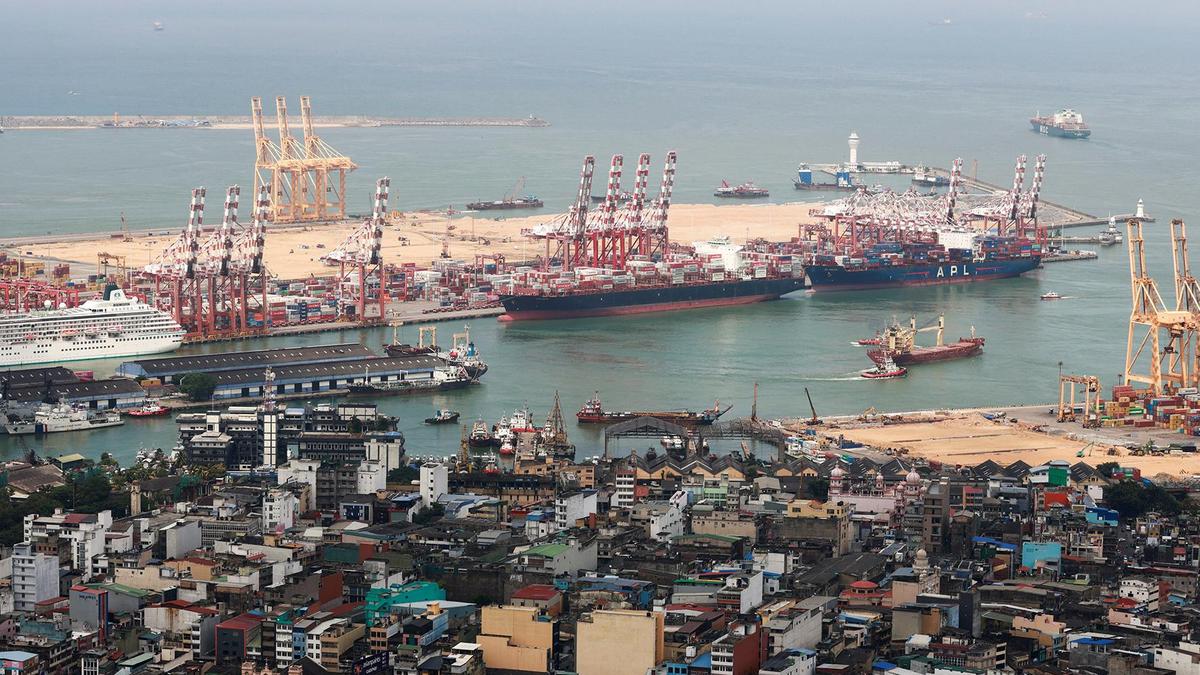
I’ve heard people say that this is just a way for India to push China out of the region. That's a simplified way of looking at a complex mess. Sure, the competition for influence is real. But China’s approach has often been about massive infrastructure projects—ports and highways that don't always pay for themselves.
India’s approach during this crisis was different. They focused on "humanitarian-centric" aid. You can’t eat a port. You can’t run a tractor on a highway. You need fuel. You need rice. You need medicine. By providing these basics, India built a level of grassroots goodwill that billions of dollars in infrastructure loans couldn't buy.
The 38,000 tonnes of diesel served as a literal engine for recovery. It allowed small businesses to restart. It allowed students to study under a lightbulb instead of a candle. It’s the kind of help that people remember when they go to the polls or when they think about who their real friends are.
Breaking the cycle of energy dependency
The long-term play here is even more interesting. Sri Lanka is now looking at integrating its power grid with India's. This fuel crisis proved that the island can’t survive as an energy silo. If they’d been connected to the Indian grid, the 10-hour blackouts might never have happened.
We’re seeing a shift in how these two nations interact. It’s moving from "big brother, little brother" to a more integrated economic partnership. The fuel shipments were the catalyst for this shift. They proved that the two economies are inextricably linked.
Moving toward a more resilient energy future
Sri Lanka isn't out of the woods yet, but the panic has subsided. The lesson for the rest of the world is clear: energy security is national security. When you lose the ability to power your own country, you lose your sovereignty.
India’s intervention provided the breathing room necessary for structural reforms. Now, the focus is shifting toward renewable energy and grid connectivity to ensure this never happens again. The 38,000 tonnes of fuel wasn't just a gift; it was an investment in a stable South Asia.
If you’re watching this space, keep an eye on the upcoming MoUs regarding the Trincomalee oil tank farm. That’s where the real long-term energy storage strategy lives. The days of living shipment-to-shipment have to end. For now, the focus remains on keeping the supply chain moving and ensuring that the lights stay on across the island.
The next step for anyone following this story is to look at the progress of the IMF's Extended Fund Facility. That's the real test of whether Sri Lanka can turn this temporary lifeline into permanent stability. Check the latest reports on Sri Lanka's debt restructuring to see how the Indian credit lines are being integrated into the broader recovery plan.