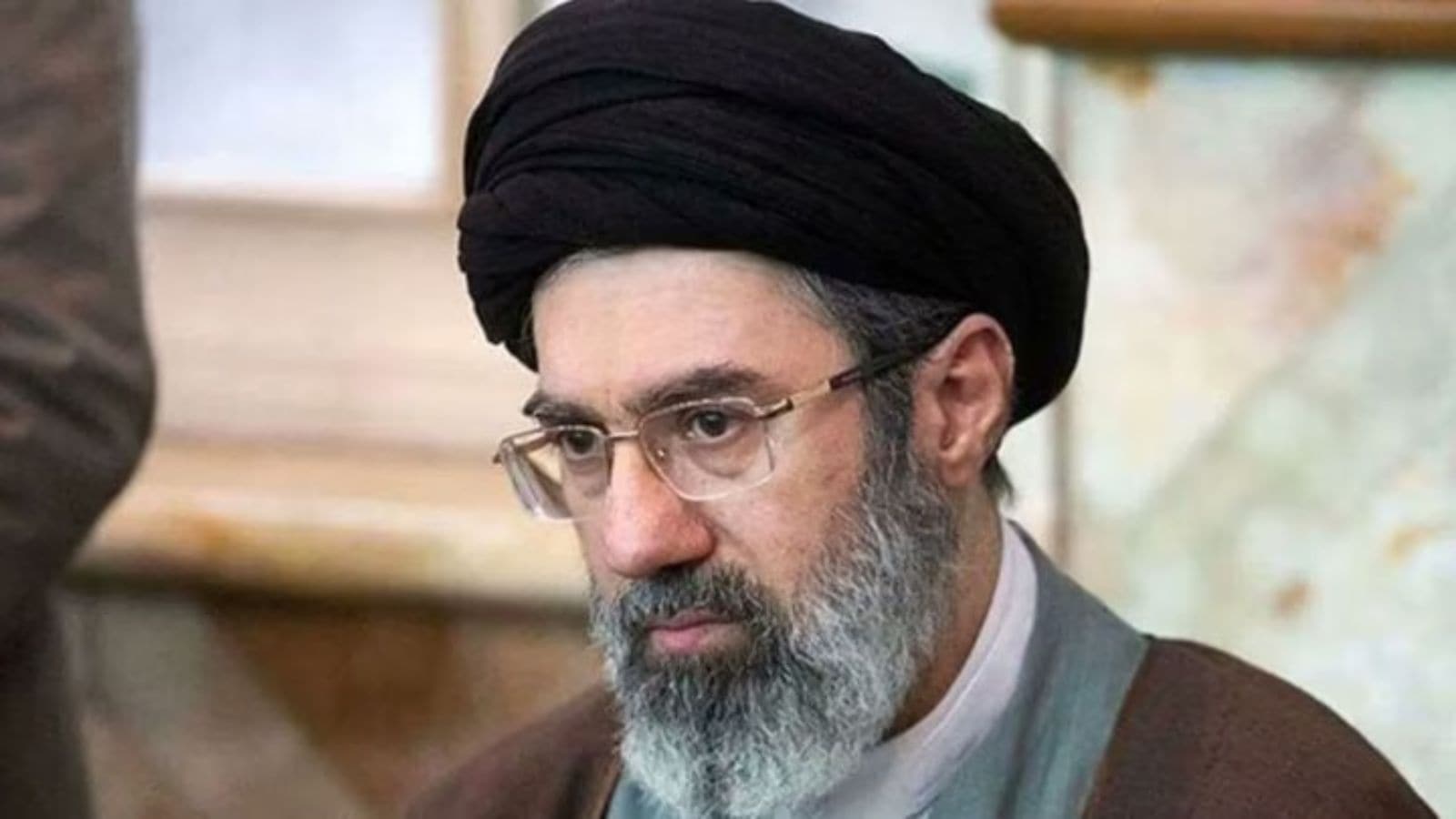
The Nowruz address delivered by Mojtaba Khamenei represents more than just a seasonal greeting or a standard display of regional defiance. It marks the functional debut of a successor who is no longer waiting in the wings. By dismissing recent Israeli kinetic operations against Iranian interests as a mere "illusion," the younger Khamenei attempted to project a level of psychological untouchability that contradicts the physical reality of scorched warehouses and compromised supply lines. This is the rhetoric of a man who understands that in the theater of Middle Eastern geopolitics, the perception of strength is often more valuable than the strength itself.
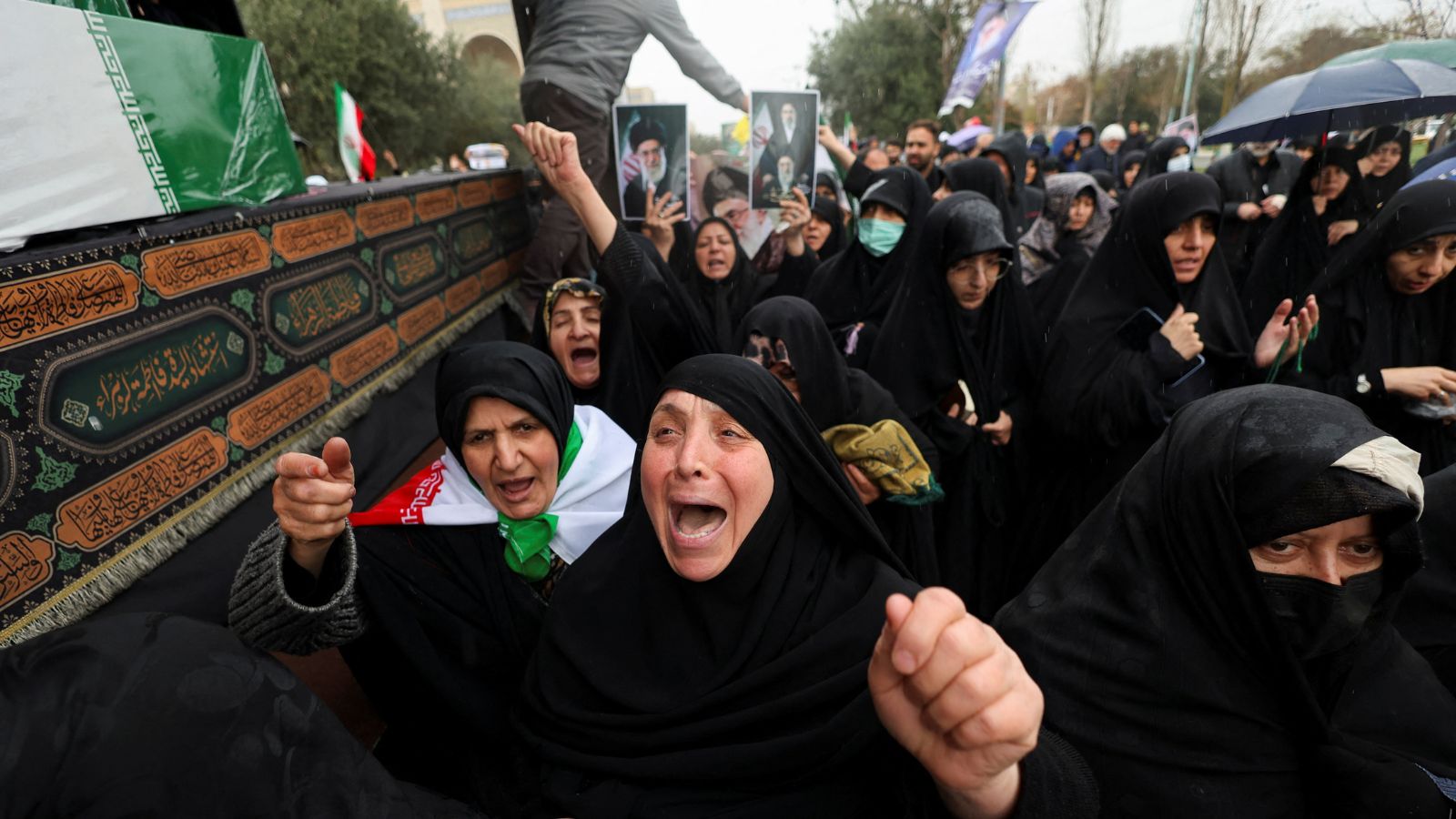
The message was calculated. It arrived at a moment when the Islamic Republic faces a tightening pincer of domestic economic stagnation and an increasingly bold Israeli intelligence apparatus that seems capable of reaching anyone, anywhere, at any time. By framing these tangible military setbacks as illusions, Mojtaba is not speaking to the international community or even to the Israeli cabinet. He is speaking to the Basij, the Revolutionary Guard (IRGC) rank-and-file, and the loyalist core that requires a narrative of invincibility to remain cohesive.
The Strategy of Denying the Visible
Western analysts often mistake Iranian defiance for delusion. It is not. When Mojtaba Khamenei characterizes precision strikes as inconsequential or non-existent, he is employing a specific form of political warfare designed to neutralize the deterrent effect of those strikes. Deterrence only works if the target acknowledges the pain. If the leadership in Tehran maintains a posture of total indifference, the "cost" of the Israeli attacks is effectively erased from the public ledger of the regime’s supporters.
This denial serves a dual purpose. First, it prevents the Iranian public from feeling the vulnerability that naturally follows a breach of national sovereignty. Second, it signals to regional proxies—the "Axis of Resistance"—that the center remains holding. If the patron appears rattled, the clients begin to look for exits. Mojtaba’s performance was an insurance policy for Hezbollah, the Houthis, and the various militias in Iraq, ensuring them that the fountainhead of their funding and ideological guidance remains unbothered by Mediterranean aggression.
However, the "illusion" narrative carries significant risk. There is a breaking point where the gap between official rhetoric and the physical reality of a smoking ruin becomes too wide for even the most devout follower to ignore.
The Succession Question is Finally Answered
For years, the identity of Ali Khamenei’s successor was a subject of intense speculation and filtered intelligence reports. That era of ambiguity has ended. Mojtaba’s prominence in this year’s Nowruz cycle, traditionally the sole domain of the Supreme Leader, confirms that the transition is not just planned—it is active.
Mojtaba does not have the revolutionary credentials of his father. He did not sit in the prisons of the Shah, nor was he a primary architect of the 1979 upheaval. His legitimacy is derived entirely from two sources: his lineage and his deep, symbiotic relationship with the IRGC’s intelligence wings. By taking the lead on the Israel file, he is positioning himself as the hardline guardian of the state’s security, a move intended to silence critics within the religious establishment in Qom who view the hereditary nature of his rise with skepticism.
The IRGC views Mojtaba as one of their own. Unlike the more pragmatic or "reformist" elements that occasionally bubble up in the Iranian parliament, Mojtaba represents the securitization of the state. His rise suggests that the future of Iran will not be found in diplomatic pivots or economic liberalization, but in a reinforced commitment to the current shadow war.
The Intelligence Breach Reality
While the rhetoric of "illusion" sounds confident, the internal reality is likely one of extreme paranoia. The success of Israeli operations over the last twenty-four months—ranging from the assassination of nuclear scientists to the theft of massive archives and the precision bombing of drone manufacturing sites—points to a systemic failure within Iranian internal security.
You cannot protect a "sacred" landscape if it is riddled with informants. The Iranian Ministry of Intelligence (MOIS) and the IRGC’s Intelligence Organization are currently locked in a quiet but brutal turf war, each blaming the other for the lapses that allowed Israeli assets to operate within their borders. Mojtaba’s public dismissal of these attacks is a mask for a massive internal purge. To admit the attacks are real is to admit that the security services are compromised. Therefore, the attacks must be "illusions" until the "traitors" are cleared out.
The Economic Cost of Defiance
The bravado of the Nowruz message ignores the mathematical reality of the Iranian rial. Security and regional influence are expensive. Every time a shipment of components is intercepted or a research facility is sidelined, the cost of maintaining the status quo rises.
- Inflation rates continue to hover at levels that erode the middle class.
- Infrastructure outside of the military-industrial complex is crumbling.
- Foreign investment remains a ghost, scared off by the very "defiance" Mojtaba praises.
The regime is betting that it can outlast the current Israeli administration and wait for a shift in U.S. foreign policy. It is a gamble that relies on the Iranian people’s capacity to endure hardship indefinitely.
The Architecture of the Shadow War
The conflict between Jerusalem and Tehran has moved out of the shadows and into a "gray zone" where the lines between war and peace are permanently blurred. This isn't a traditional conflict with a beginning and an end; it is a permanent state of high-tension friction.
- Cyber Warfare: The battlefield is increasingly digital, with attacks on power grids, fuel distribution networks, and port authorities becoming the new normal.
- Maritime Interdiction: The Red Sea and the Gulf of Oman have become a shooting gallery for "unclaimed" drone strikes and limpet mines.
- Proxy Attrition: Israel’s "War Between Wars" strategy focuses on preventing the "Hezbollah-ization" of Syria, a goal that forces Iran to constantly rebuild what it has already paid for.
Mojtaba Khamenei’s address suggests that Iran will not de-escalate. Instead, it will lean into this friction. By calling the attacks an illusion, he is telling his subordinates that the mission continues regardless of the casualties. This is a cold, calculated approach to governance that treats human and material loss as mere accounting errors in a much larger ideological struggle.
A Legacy of Hardline Consistency
Those hoping for a "thaw" under a new generation of Iranian leadership are looking at the wrong man. Mojtaba Khamenei is a product of the most conservative, militarized elements of the Islamic Republic. His rhetoric is a direct echo of the 1980s, updated for a modern audience. He is not a reformer; he is a consolidator.
The dismissal of the Israeli attacks as an "illusion" is the opening salvo of a new era. It is an era where the Iranian leadership will likely double down on its regional ambitions, regardless of the cost to its own people or the risk of a direct, conventional war. The "illusion" isn't the attacks themselves—everyone can see the smoke—the illusion is the idea that the Iranian leadership can be pressured into changing its fundamental nature through kinetic force alone.
They have decided that the only way to survive is to refuse to acknowledge they are bleeding. As the leadership transition accelerates, the world should expect more of this high-stakes gaslighting, backed by a relentless commitment to the IRGC's regional blueprint. The theater is set, the protagonist has changed, but the script remains as rigid and dangerous as ever.
Keep a close eye on the IRGC’s upcoming appointments in the spring; they will reveal exactly how much power Mojtaba has truly seized.