Fear sells. Specifically, the fear of a closed Strait of Hormuz sells newspapers, fuels panicked cable news segments, and allows analysts to lazily scribble $150 per barrel on their 2026 forecasts. The consensus is simple: Iran closes the tap, the world goes dark, and the global economy collapses under the weight of triple-digit crude.
It is a neat, terrifying story. It is also fundamentally wrong.
The "Hormuz Premium" baked into current market sentiment ignores the brutal reality of modern logistics, the desperation of the actors involved, and the sheer inefficiency of a physical blockade in a digital, diversified energy market. If you are betting on a permanent price spike based on a strait closure, you aren't reading the room; you’re reading a script from 1973.
The Blockade Fallacy
Every armchair geopolitical expert points to the 20 million barrels per day that flow through that narrow chink in the Persian Gulf's armor. They claim a month-long closure guarantees a price explosion. This assumes the world stands still while a single nation holds the global jugular.
It won't.
First, let’s address the elephant in the room: Iran needs the strait more than the West does. Tehran’s economy is a house of cards held together by grey-market oil exports, mostly to China. Closing the strait isn't just an act of war against Israel or the US; it is economic suicide. You don't burn down your only exit during a house fire. Any closure would be a desperate, short-lived gesture, not a month-long siege.
Even if we entertain the "month-long" scenario, the math for $150 oil doesn't hold up. Here is why:
- The Dead Weight of Spare Capacity: Outside the Gulf, the world is swimming in oil. Between the Permian Basin in the US, Guyana’s offshore goldmine, and Brazil’s expanding output, the non-OPEC supply cushion is thicker than it has been in decades.
- Strategic Petroleum Reserves (SPR): The US and IEA members aren't just sitting on these reserves for fun. A coordinated release of millions of barrels per day would blunt the initial shock before the ink on the "Breaking News" chyron is dry.
- The Redirection Reality: Pipelines exist. The East-West Pipeline in Saudi Arabia and the Habshan-Fujairah line in the UAE can bypass the strait. They don't carry the full 20 million barrels, but they carry enough to keep the lights on while the military "clears" the lanes.
Demand Destruction Is the Real Killer
Price spikes are self-correcting. The moment oil touches $120, the global economy doesn't just pay up—it stops buying. We call this demand destruction.
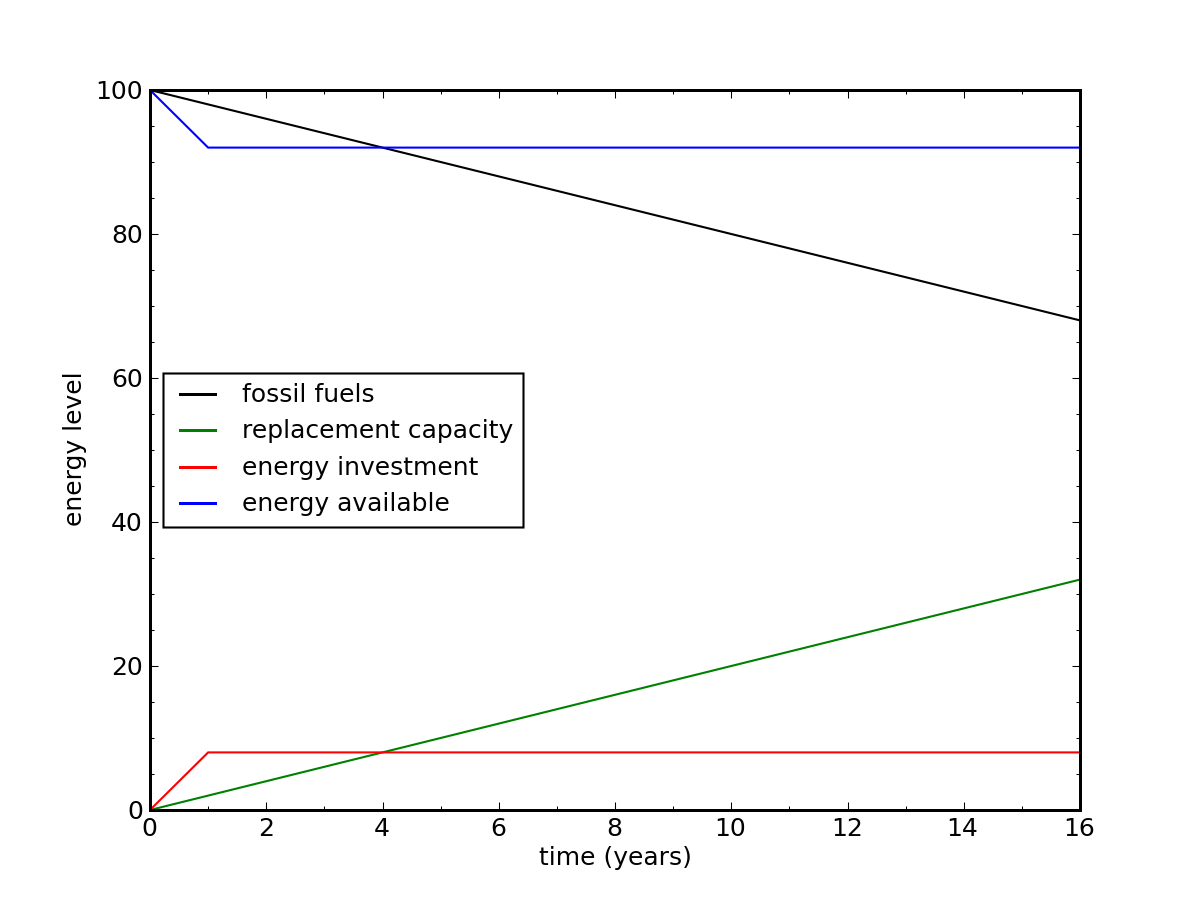
In 2026, the world is far more elastic than it was during the last major oil shocks. Electric vehicle (EV) penetration, while slowing in some sectors, has hit a critical mass in China—the world’s largest oil importer. If oil prices skyrocket, the shift away from internal combustion doesn't just continue; it accelerates at a violent pace.
Imagine a scenario where oil hits $150. Shipping costs for consumer goods triple. Air travel becomes a luxury for the 1%. Central banks, already fighting the ghost of inflation, hike rates into the stratosphere. The result? A global recession so sharp it collapses oil demand by 5-10% within weeks.
The price wouldn't stay at $150 for a month. It would spike, shatter the economy, and then crater to $60 as the world stops consuming. Betting on high prices is betting on a world that can afford them. It can't.
The Ghost of 1970s Geopolitics
Critics love to cite the 1973 oil embargo as the blueprint for what’s coming. This is the ultimate lazy consensus. In the 70s, the US was a massive net importer. Today, the US is the world’s largest producer.
The power dynamic has flipped.
A conflict in the Middle East that chokes the Strait of Hormuz actually benefits US producers in the short term, but it also provides the political cover needed to fast-track domestic energy infrastructure that has been tied up in red tape for years. A blockade is the fastest way to ensure the Middle East becomes irrelevant to the global energy mix forever.
Why the "Hormuz Premium" is a Scam
Market speculators love the Hormuz narrative because it justifies volatility. Volatility creates profit for traders, even if the physical barrel of oil never actually disappears.
- Paper vs. Physical: Most of the price action we see during "tensions" is paper trading—speculators betting on futures.
- The Insurance Trap: Shipping insurance premiums will rise, yes. But a 500% increase in insurance costs adds pennies to a gallon of gas, not $50 to a barrel.
- The China Factor: China is the primary customer for Gulf oil. If Iran closes the strait, they are effectively declaring war on their only remaining superpower patron. Beijing doesn't do "chaos" well. They would be the first to demand—and enforce—a reopening.
The Hard Truth About $150 Oil
If oil hits $150, the problem won't be that you’re paying more at the pump. The problem will be that the currency in your wallet is losing value faster than the oil is gaining it.
We saw this in the late 2000s. High prices are a symptom of a broken system, not just a supply-chain hiccup. A month-long closure of the Strait of Hormuz would be a tectonic shift, but the "recovery" would be a brutal, forced transition to a post-oil reality that the Middle East is not prepared for.
I’ve watched traders play this "Strait Scare" game for twenty years. Every time a speed-boat gets too close to a tanker, the "analysts" trot out the same tired $150 or $200 price targets. And every time, the physical market reveals the truth: we are far more resilient—and the producers are far more desperate—than the headlines suggest.
Stop looking at the strait. Look at the inventories. Look at the rig counts in West Texas. Look at the evaporation of demand in the Eurozone.
The threat of a Hormuz closure is a weapon of psychological warfare, not an economic inevitability. If the strait closes, the world won't go broke buying expensive oil. It will simply learn how to live without it, and the nations holding the plug will be the ones left in the dark.
You’re being told to fear a price hike. You should be fearing the total irrelevance of the assets you think are so valuable.
The oil age won't end because we ran out of oil, or because a strait was closed. It will end because we decided the drama wasn't worth the price of admission.
Buy the dip? No. Sell the fear.