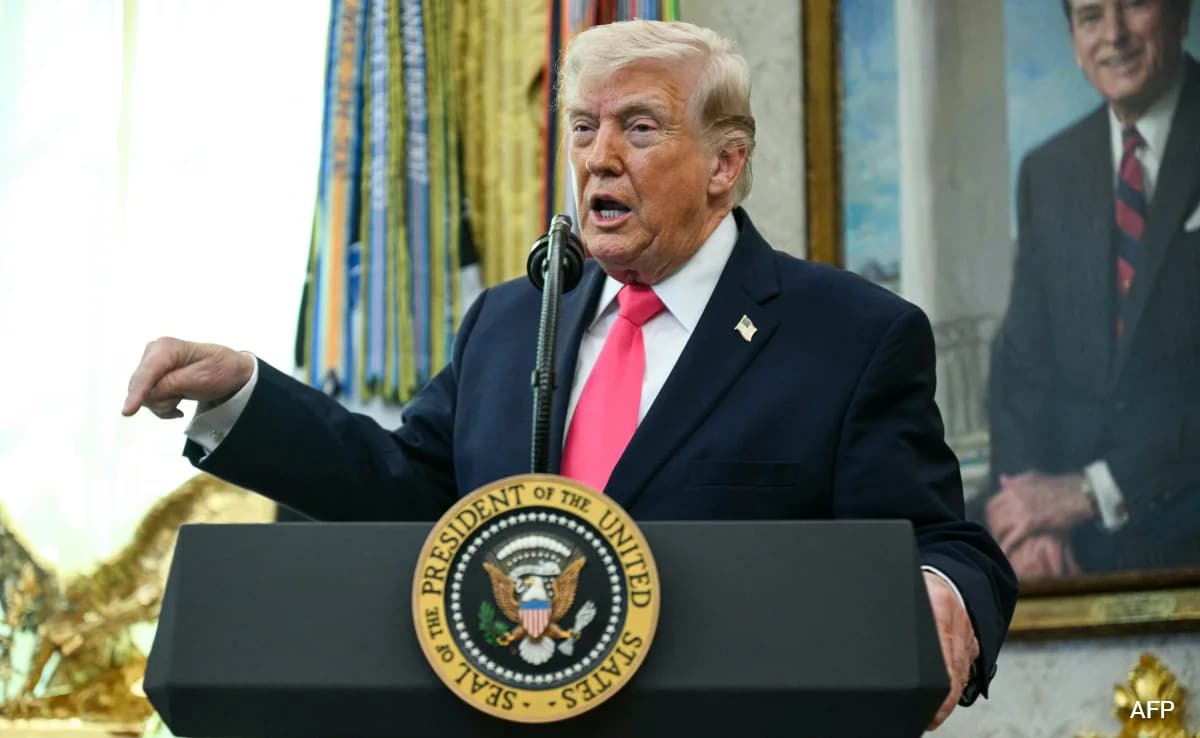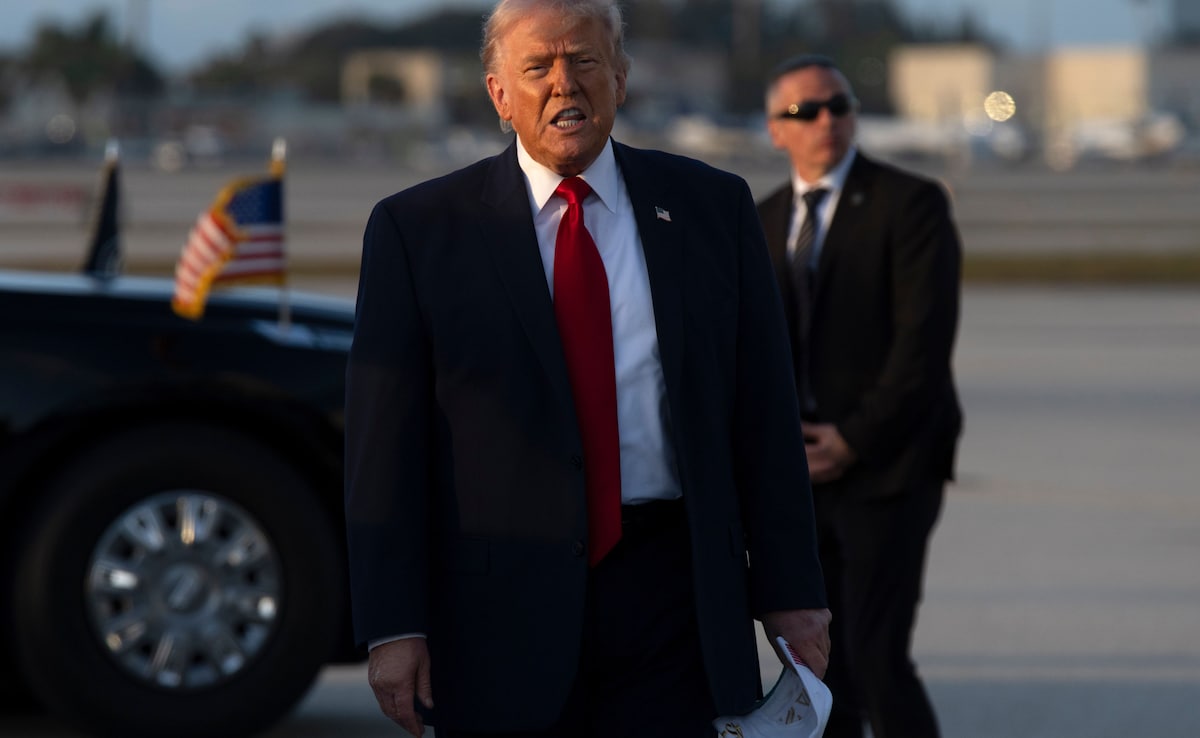
The United States has delivered a sweeping 15-point ultimatum to Tehran, disguised as a peace plan, as the war enters its fourth week. Moving through intermediaries in Pakistan, the proposal demands the total dismantling of Iran’s nuclear infrastructure and a permanent cessation of all uranium enrichment. In exchange, the Trump administration is dangling the "prize" of full sanctions relief and technical assistance for a civilian power plant at Bushehr. While the White House frames this as a generous off-ramp for a nation whose air force and navy have been effectively neutralized, the reality on the ground suggests a different motive. This isn't a negotiation; it is a demand for unconditional surrender.
The Resurrection of a Failed Framework
This 15-point document is not new. Intelligence sources and veteran diplomats indicate the text is largely a rehash of a "term sheet" presented in May 2025 during the ill-fated Geneva talks. Those negotiations collapsed minutes before a breakthrough when Israeli strikes targeted Iranian nuclear sites, a move many believe was intended to scuttle any rapprochement.
By reviving these exact points now, the administration is ignoring the radical shift in the theater of war. Since February 28, 2026, U.S. and Israeli sorties have already leveled much of the infrastructure the plan seeks to "dismantle." To the hardliners in Tehran, asking for the legal surrender of facilities that are currently smoking ruins feels like a move to codify military conquest into international law.
The Nuclear Poison Pill
The technical demands are absolute. Iran must not only stop enriching uranium but must also export its entire existing stockpile of 60% enriched material—roughly 450 kilograms—or down-blend it under the supervision of the International Atomic Energy Agency (IAEA).
- Decommissioning: The facilities at Natanz, Isfahan, and Fordow are to be rendered permanently unusable.
- Inspections: The IAEA would be granted "anytime, anywhere" access, a condition Tehran has historically viewed as a front for Western espionage.
- The Five-Year Freeze: A moratorium on ballistic missile development, specifically targeting the range and quantity of Iran’s remaining arsenal.
The "carrot" in this scenario is a U.S.-backed civilian nuclear program. Washington is offering to help fund a fuel farm located outside Iranian borders, ensuring that Tehran remains dependent on foreign energy supplies for its domestic power grid. It is a classic hub-and-spoke model designed to keep the "rogue" state on a short, digital leash.
The Battle for the Strait of Hormuz
A critical, non-negotiable pillar of the plan involves the Strait of Hormuz. The waterway, which handles roughly 20% of the world's oil consumption, has been effectively closed to Western shipping since the conflict began. This has sent global energy markets into a tailspin, with oil prices hitting levels that threaten the stability of the American domestic economy.
The U.S. plan demands the Strait be declared a free maritime zone. Iran, however, has countered with a "Strategic Package for Compensation of Losses." They are proposing a "toll" system where every barrel of oil passing through the Strait would be taxed $50 to fund Iranian reconstruction. They have even suggested a "one sanction for one passage" trade-off. This fundamental disagreement over the world's most vital chokepoint is why the current five-day pause in strikes on Iranian energy infrastructure is so fragile.
Pakistan as the Pivotal Broker
While Egypt and Qatar have attempted to mediate, Islamabad has emerged as the primary backchannel. Field Marshal Syed Asim Munir, Pakistan’s army chief, is the man holding the phone between Washington and Tehran.
Pakistan’s involvement is a matter of survival. The conflict has already killed several Pakistani nationals and disrupted its own energy security. By offering to host a peace summit in Islamabad, Pakistan is trying to prevent a regional spillover that could ignite its own volatile border. However, the presence of U.S. envoys Steve Witkoff and Jared Kushner in these discussions has signaled to Tehran that this is a "Trump-only" deal, bypassing traditional State Department channels and deeply frustrating veteran arms control experts.
The Internal Fracture in Tehran
The effectiveness of this 15-point plan hinges on who actually receives it in Tehran. The Iranian leadership is in a state of chaos. With the assassination of key figures and the continuing "Epic Fury" military campaign, power is split between the pragmatic Foreign Minister Abbas Araghchi and hardliners like Parliamentary Speaker Mohammad Bagher Ghalibaf.
Ghalibaf has already dismissed the 15 points as "fake news" designed to manipulate financial markets. This internal rift makes it nearly impossible for the U.S. to know if a "yes" from one office will be honored by the military.
The Economic Gamble
Donald Trump’s public optimism about a "very significant prize" involving Iranian oil and gas is a transparent attempt to calm Wall Street. The President claimed that Iran "wants to make a deal so badly," yet the same day he made those remarks, Iranian missiles were still impacting targets in Tel Aviv.
The administration is betting that the sheer weight of the economic collapse inside Iran, coupled with the destruction of its military assets, will force a signature. But history in the Middle East shows that "maximum pressure" often leads to "maximum resistance." If the 15-point plan is viewed by the Iranian public as a document of national humiliation, the war will not end with a signing ceremony in Islamabad; it will simply enter a more desperate, asymmetric phase.
The next few days of the five-day pause will determine if this is a genuine bridge to peace or merely the tactical regrouping of an administration preparing for a much longer siege.
Ask me to break down the specific military assets still operational within Iran’s Revolutionary Guard.