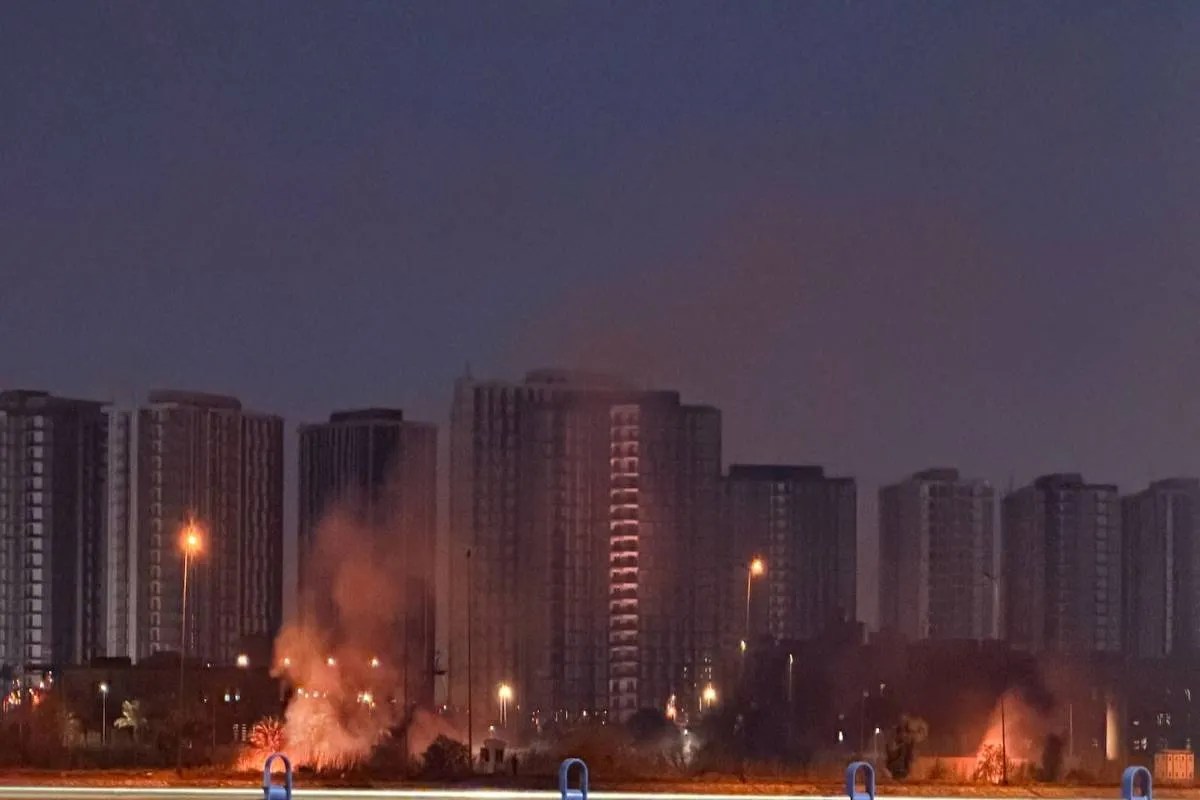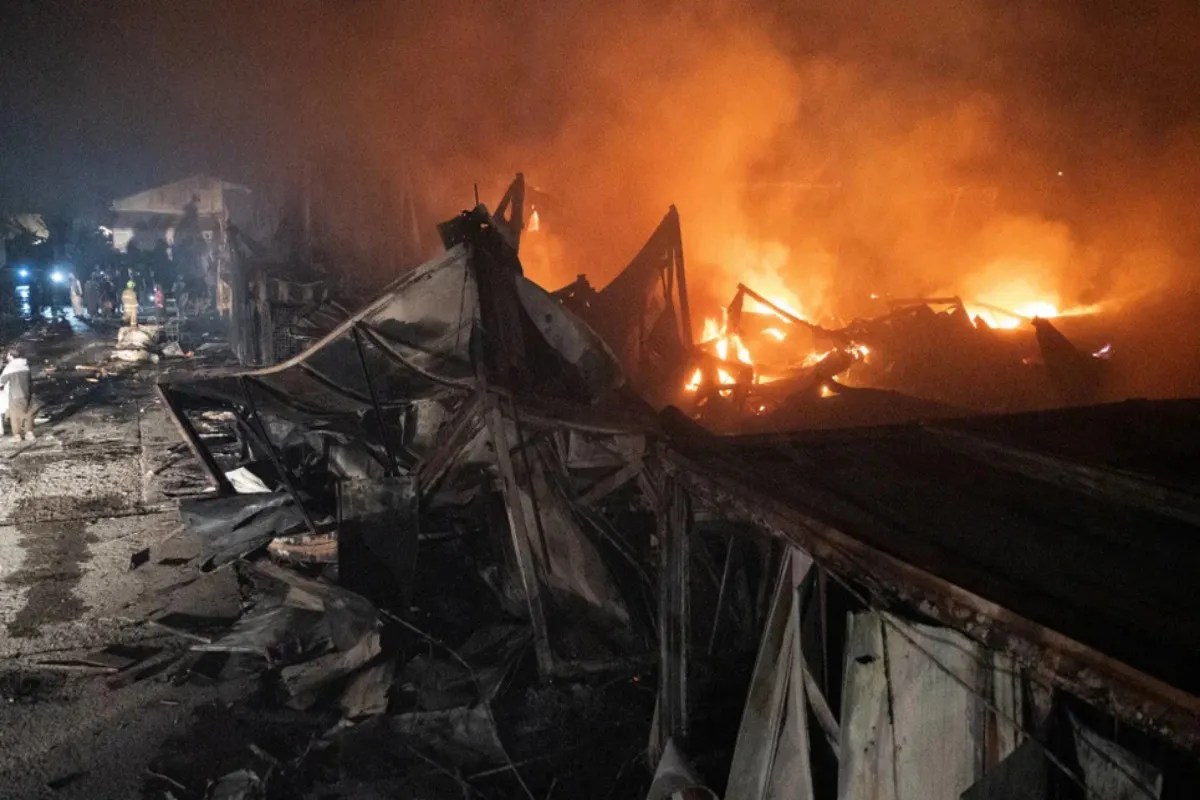
The recent escalation in cross-border kinetic actions between Pakistan and the Taliban-led administration in Afghanistan represents a fundamental breakdown in the strategic depth doctrine that has governed regional policy for four decades. Italy’s urgent advisory for its citizens to evacuate Afghanistan is not merely a precautionary diplomatic gesture; it is a quantitative indicator of a shift from localized skirmishes to systemic state-on-state friction. To understand whether this leads to a full-scale regional conflict, one must analyze the structural breakdown of three specific pillars: border legitimacy, proxy management failure, and the economic cost-benefit analysis of a protracted war.
The Structural Failure of the Durand Line
The 2,640-kilometer border known as the Durand Line remains the primary anatomical flaw in the relationship between these two nations. While Pakistan views the line as a permanent international boundary, no Afghan government—including the current Taliban regime—has formally recognized its legitimacy. This creates a perpetual state of "sovereignty friction."
Recent Pakistani airstrikes targeting alleged Tehrik-i-Taliban Pakistan (TTP) hideouts in the Khost and Paktika provinces signify a transition in Islamabad’s military strategy. Previously, the "Strategic Depth" framework assumed that a friendly, Islamist government in Kabul would provide Pakistan with a secure western flank. Instead, the Taliban’s ascent has resulted in a "Blowback Loop." The TTP, sharing ideological DNA with the Afghan Taliban, utilizes the porous border as a tactical sanctuary. Pakistan's decision to strike inside Afghan territory demonstrates that the cost of domestic instability now outweighs the diplomatic cost of violating Afghan sovereignty.
The Economic Deterrent Function
War requires capital, and currently, both actors face severe liquidity constraints. Pakistan is navigating a precarious IMF-backed stabilization program, while Afghanistan remains under heavy international sanctions with frozen central bank assets. This creates a "resource-limited standoff" rather than a path to total war.
- The Infrastructure Variable: The Torkham and Chaman border crossings are vital trade arteries. Any prolonged closure or military blockade results in an immediate spike in inflation within Afghanistan and a loss of export revenue for Pakistan.
- The Security Tax: For Islamabad, a full-scale conventional war would require redeploying significant divisions from the eastern front (India) to the western mountains. The financial overhead of maintaining such a deployment is currently unsustainable given Pakistan's debt-to-GDP ratio.
- The Refugee Pressure Valve: Pakistan hosts millions of Afghan refugees. Large-scale conflict would trigger a new wave of displacement, which would fundamentally destabilize the Pakistani domestic economy and social fabric.
The Italian Advisory as a Risk Proxy
Italy’s decision to pull its nationals follows a specific pattern of Western intelligence assessments. When a G7 nation issues a "leave immediately" order, it usually points to a credible threat of "asymmetric escalation." This doesn't necessarily mean a conventional invasion involving tanks and infantry divisions. Instead, it suggests a high probability of:
- Increased IED and suicide attacks in urban centers.
- Retaliatory artillery duels along the border.
- A breakdown in the Taliban's ability to protect foreign NGO workers from internal splinter groups like ISIS-K.
The advisory serves as a risk-mitigation tool against the unpredictability of "non-state" actors. While the Afghan Taliban and the Pakistani state might want to avoid total war, they do not have total control over the radicalized elements operating within their borders.
The Mechanics of Tactical Escalation
The transition from a border skirmish to a war occurs when the "retaliation cycle" becomes self-sustaining. We are currently observing a three-stage escalation ladder:
Stage One: Border Friction. This includes the removal of fencing and small-arms fire between border guards. This has been the status quo for the last 24 months.
Stage Two: Cross-Border Strikes. This involves the use of drones or manned aircraft to hit targets within the other’s territory. Pakistan’s recent actions moved the conflict into this stage. The Afghan Taliban responded with heavy artillery fire against Pakistani border posts, completing the Stage Two cycle.
Stage Three: Strategic Neutralization. This would involve the targeting of high-value infrastructure or command centers. If Afghanistan targets Pakistani military headquarters in border districts, or if Pakistan attempts to establish a "buffer zone" inside Afghan territory, the threshold for war is officially crossed.
The Role of Non-State Spoilers
The primary bottleneck to peace is the presence of ISIS-K (Islamic State Khorasan). ISIS-K benefits from a conflict between the Taliban and Pakistan. If the Taliban are forced to focus their military resources on the Pakistani border, their internal security grip loosens, allowing ISIS-K to expand its operational footprint. This creates a "security vacuum" that worries European powers like Italy, who fear the export of terrorism from a destabilized Afghanistan.
The Strategic Alignment Shift
The most critical variable to watch is the shift in regional mediation. Traditionally, Pakistan was the gatekeeper for Afghan diplomacy. Now, Kabul is actively seeking to diversify its dependencies, engaging with China, Russia, and even India to bypass Islamabad’s influence. This "Diplomatic Decoupling" makes Pakistan feel marginalized, leading to more aggressive military posturing to remind the Taliban of the regional power balance.
The probability of a full-scale, conventional war remains low (estimated below 20%) due to the mutual economic destruction it would entail. However, the probability of "High-Intensity Border Warfare"—defined by frequent airstrikes, artillery exchanges, and the closure of trade routes—has risen to an all-time high since 2021.
The strategic move for international observers is to monitor the "Force Posture" of Pakistan’s 11th Corps. If heavy armor starts moving toward the Durand Line, the Italian advisory will have proven to be the first tremor of a seismic regional shift. The immediate requirement for regional stability is a formalization of border management protocols that bypass the unresolved question of the Durand Line’s legality. Without a technical agreement on "hot pursuit" and counter-terrorism coordination, the cycle of strike-and-retaliate will inevitably lead to a miscalculation that neither side can afford to finance.