Apologies are for mistakes. Competition is for keeps.
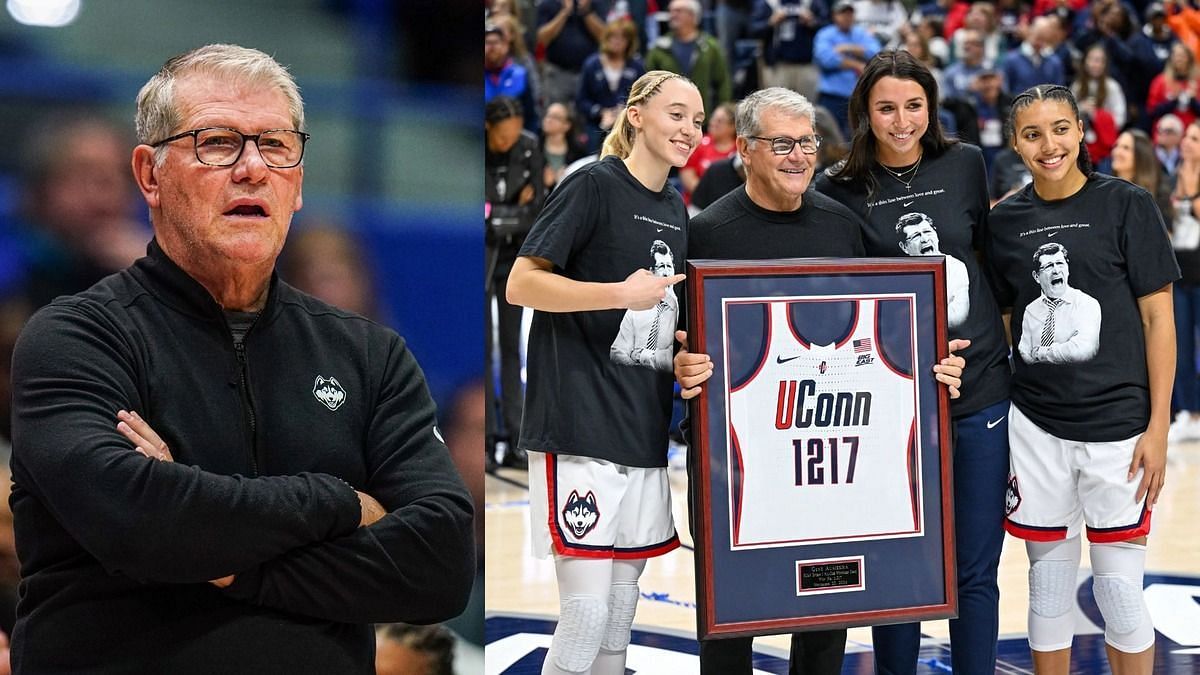
The recent cycle of hand-wringing over Geno Auriemma’s interactions during the Final Four—and his subsequent, repetitive apologies to Dawn Staley—isn't a victory for sportsmanship. It is a surrender to a sanitized, corporate version of athletics that threatens to dull the sharp edges that made women’s college basketball the most compelling product on television. If you enjoyed this piece, you might want to read: this related article.
The media circus wants you to believe that Geno’s "clash" was a lapse in character. They want you to think his mention of Dawn Staley by name was a necessary step toward healing a fractured sport. They are wrong. This obsession with public penance is a distraction from the reality of elite coaching: if you aren't ruffled, you aren't trying to win.
The Myth of the Toxic Rivalry
We’ve reached a strange point in sports culture where any friction between giants is labeled as a "problem" to be solved. When Geno Auriemma and Dawn Staley disagree, the headlines treat it like a diplomatic crisis. Why? For another perspective on this event, see the latest update from NBC Sports.
In the men’s game, we call it "intensity." We call it "the competitive fire." When Bobby Knight threw a chair, it was a legend-building moment of madness. When Mike Krzyzewski went toe-to-toe with officials or opposing coaches, it was "strategic pressure." But when the two most successful active coaches in the women's game have a heated exchange, the industry demands a public apology tour.
This double standard is insulting. It suggests that women’s basketball is too fragile to handle the heat of a high-stakes sideline. By forcing Geno into a cycle of contrition, we are effectively telling coaches to lower the temperature. We are asking for a polite exhibition instead of a war.
Apologies are the New PR Weapon
Let’s look at the "apology" for what it actually is: a strategic retreat. Geno Auriemma is a master of the media. He knows that in the current climate, a headline about a "clash" lingers longer than a headline about a "settlement."
By mentioning Staley by name, he isn't just being polite; he’s neutralizing the narrative. He’s closing the book on a story that the media would have otherwise milked for the next six months. It’s a calculated move to get the cameras out of the locker room and back onto the court.
But here’s the cost: we lose the grudge match.
Sports thrive on narratives of friction. UConn vs. South Carolina should be a blood feud. It should be uncomfortable. It should be the kind of game where neither coach wants to share a meal, let alone a press conference stage. When we demand apologies, we kill the "villain" arc. And without a villain—or at least a genuine antagonist—the stakes feel lower.
The Staley Standard and the Respect Trap
Dawn Staley doesn’t need Geno’s apology. To suggest she does is to underestimate the most powerful force in the game today. Staley has built a program at South Carolina that thrives on "us against the world." Every time a legacy coach like Geno bows down in a press conference, it actually softens the very competitive tension that Staley uses to fuel her roster.
I’ve spent years watching programs rise and fall based on their internal culture. The best ones are built on a foundation of "disrespect." They want to be the ones who weren't invited to the party. When the establishment (UConn) starts being "nice" to the challengers (South Carolina), it’s a sign that the establishment is trying to survive via diplomacy because they can no longer dominate via the scoreboard.
- The Lazy Consensus: Geno was out of line and needed to show respect.
- The Reality: Respect in sports is earned through 40 minutes of full-court press, not a 30-second statement to a beat writer.
The Data of Discomfort
If you look at the TV ratings for the most-watched games in the history of the sport, they don't feature two coaches shaking hands and smiling. They feature technical fouls. They feature "the stare." They feature the 1990s-era rivalries where the animosity was palpable.
- 18.9 million viewers tuned in for the 2024 National Championship.
- They didn't tune in for a lesson in etiquette.
- They tuned in for the collision of two eras.
When Geno apologizes, he is effectively diluting the brand. He is turning a heavyweight fight into a corporate retreat. The "nuance" the mainstream media misses is that these clashes aren't bugs in the system; they are the features. They are the reason people who never cared about women's basketball are suddenly buying season tickets.
Stop Sanitizing the Sidelines
Imagine a scenario where every time an NFL coach yelled at a peer, he had to issue a formal statement mentioning them by name the next day. The league would be a joke.
The industry insiders who are praising Geno for his "maturity" are the same people who are boring the audience to death with safe, predictable takes. They want the "landscape" (to use a word I despise) to be flat. I want it to be mountainous. I want the peaks of ego and the valleys of resentment.
The truth nobody admits? We want Geno to be grumpy. We want him to be the old guard defending his turf with every sarcastic remark in his arsenal. And we want Dawn Staley to keep winning and making him eat those words. That is the cycle of greatness.
The Actionable Truth for the Fan
Stop asking for "class" in sports. It’s a coded term for "quiet."
If you actually care about the growth of women’s basketball, you should be rooting for more clashes, fewer apologies, and zero forced mentions of mutual respect. The respect is inherent in the competition. You don't play South Carolina if you don't respect them—you play them because you want to destroy what they’ve built.
Geno Auriemma didn't need to apologize. He needed to double down. He needed to say, "Yeah, we clashed. And we’re going to clash again next year, and the year after that, until one of us is out of the game."
That’s how you build a sport. Everything else is just PR.
Leave the apologies for the HR department. Put the fire back on the sideline.