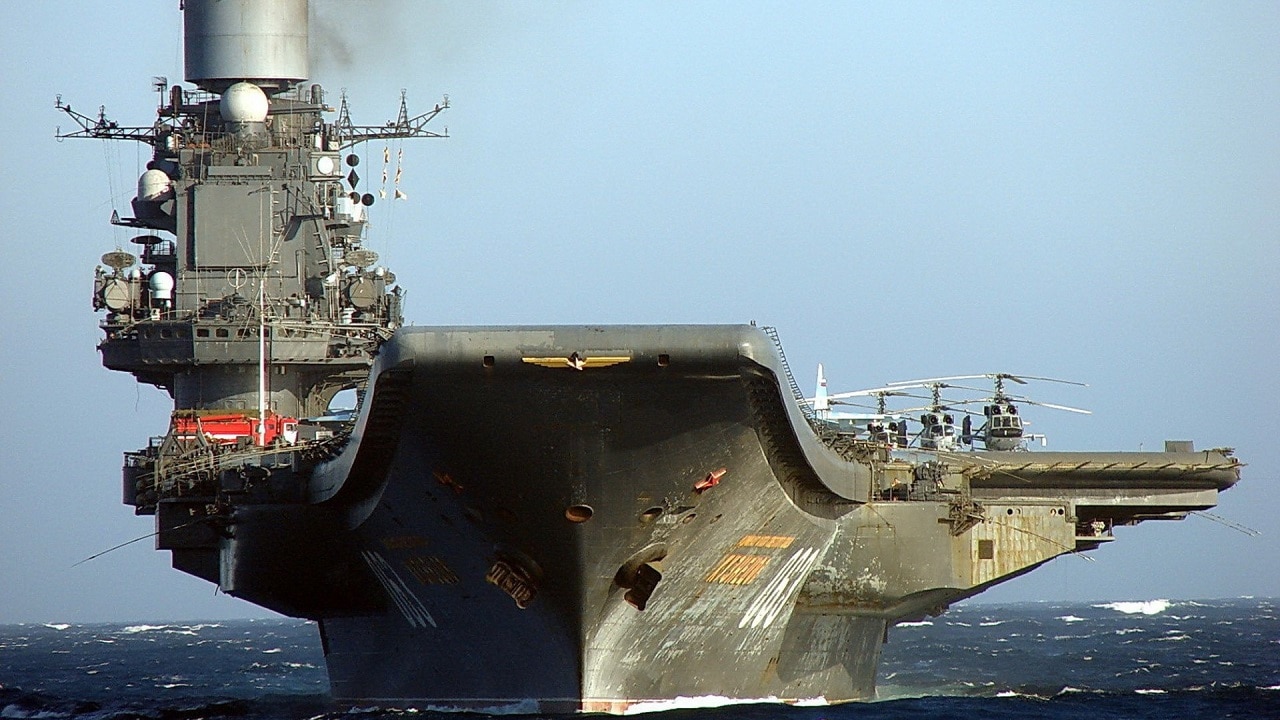
A massive steel city floating in the middle of a combat zone is already a high-stress environment. Add an out-of-control fire to the mix, and things get terrifying fast. We recently saw this play out when U.S. sailors were injured in a fire aboard an aircraft carrier supporting operations related to the Iran conflict. It’s the kind of news that makes headlines, but most people don't realize how thin the margin for error actually is on these ships.
When a fire breaks out on a carrier, there’s nowhere to run. You’re trapped in a labyrinth of narrow hallways, hydraulic fluid, and jet fuel. This isn't just about a broken piece of equipment. It’s about the sheer physical danger these men and women face while trying to project power in one of the most volatile regions on earth.
The Reality of the Recent Carrier Fire
Reports confirm that several sailors required medical attention after a fire ignited in a maintenance area of the vessel. While the Navy often keeps specific details close to the vest for operational security, the core issue is clear. High-tempo operations against Iranian-backed threats mean these ships are pushed to their absolute limits.
The injuries sustained weren't just from flames. Smoke inhalation is a silent killer in the belly of a ship. Ventilation systems, while advanced, can struggle to clear thick, toxic fumes generated by burning electrical components or industrial chemicals. It’s a chaotic scene. One minute you're performing routine maintenance, and the next, you're fumbling for an Emergency Escape Breathing Device (EEBD) in pitch-black darkness.
The Navy confirmed that the fire was extinguished by the crew’s damage control teams. These are the people who run toward the heat when everyone else is told to clear the area. Their training is grueling. It has to be. On a carrier, every single person is a firefighter first and a technician or pilot second.
Why the Middle East Mission Increases Risk
Operating near Iran isn't a pleasure cruise. The constant state of high alert creates a "pressure cooker" effect on the crew and the hardware. When you’re launching sorties around the clock to intercept drones or deter regional escalation, the equipment wears down faster.
- Increased Operational Tempo: More flight deck activity means more fuel movement and more heat.
- Maintenance Backlogs: It’s hard to fix things properly when you’re in a "shooting gallery" environment.
- Crew Fatigue: Tired sailors make mistakes. A dropped tool or a misaligned valve can spark a disaster.
The U.S. Navy has been maintaining a heavy presence in the Red Sea and Gulf of Oman to counter Houthi attacks and Iranian posturing. This isn't just a political statement; it's a massive logistical burden. Every day a carrier stays on station is another day the mechanical systems are stressed.
The Lessons of the USS Bonhomme Richard
We can’t talk about carrier fires without mentioning the ghost of the USS Bonhomme Richard. That ship was lost entirely to a fire in 2020 while docked in San Diego. It was a billion-dollar wake-up call. The investigation into that disaster revealed a "systemic failure" of leadership and preparedness.
Since then, the Navy has supposedly tightened its belt on fire safety. But there’s a massive difference between a ship in port and a ship at sea near Iran. In port, you have civilian fire departments and shore power. At sea, you’re on your own. If the fire pumps fail or the crew isn't fast enough, that multi-billion dollar asset becomes a floating coffin.
The recent injuries suggest that while the crew successfully saved the ship, the risks remain inherent to the design of naval warfare. You can’t have an aircraft carrier without thousands of gallons of explosive fuel and tons of munitions. It’s a miracle these incidents don't happen more often.
How the Navy Handles Medical Emergencies at Sea
When those sailors were injured, the ship's medical department went into overdrive. Modern carriers like the Nimitz or Ford classes are basically floating hospitals. They have operating rooms, ICU beds, and specialized trauma teams.
If the injuries are severe enough, the Navy uses "medevac" flights. They'll fly a sailor off the deck to a land-based hospital in a partner nation or a larger military medical center. This is a complex dance. You have to pause flight operations, clear the deck, and get a helicopter or a C-2 Greyhound in the air—all while potentially being tracked by enemy radar.
It’s a reminder that the human cost of "presence" in the Middle East isn't just measured in combat casualties. It’s measured in the physical toll of maintaining these machines.
The Constant Threat of Iran and Its Proxies
The backdrop of this fire is the ongoing shadow war with Iran. The U.S. Navy isn't just floating around for fun; they're actively shooting down missiles and protecting global trade routes. This puts a target on their backs. Even if this fire was accidental—which most are—the tension of the mission makes the recovery and response much harder.
If a ship is crippled by fire, it creates a massive power vacuum. Iran knows this. Their "mosquito fleet" of fast attack boats watches for any sign of weakness. A carrier with a fire in its gut is a vulnerable carrier. That’s why the damage control teams worked so fast. They aren't just saving their shipmates; they're protecting a strategic asset from being exploited by adversaries.
What Happens Now
The Navy will conduct a formal Command Investigation. They'll look at the root cause. Was it an electrical short? Was it human error? Whatever the result, the findings will be used to update the Naval Air Forces’ safety manuals.
But for the sailors who were hurt, the recovery is just beginning. Burns and lung damage aren't things you just "shake off." They’re life-altering injuries sustained in the service of a mission that many Americans barely notice on the evening news.
If you want to understand the true state of the U.S. Navy in 2026, look past the shiny recruitment videos. Look at the charred bulkheads and the sailors in the infirmary. That’s the reality of the job.
Stay informed by tracking official Navy JAG (Judge Advocate General) reports, which eventually release the declassified versions of these accident investigations. It's the only way to get the full story beyond the initial press release. Keep an eye on the deployment cycles of the remaining carrier strike groups; if one ship is sidelined by fire, another crew is going to have their deployment extended to fill the gap.