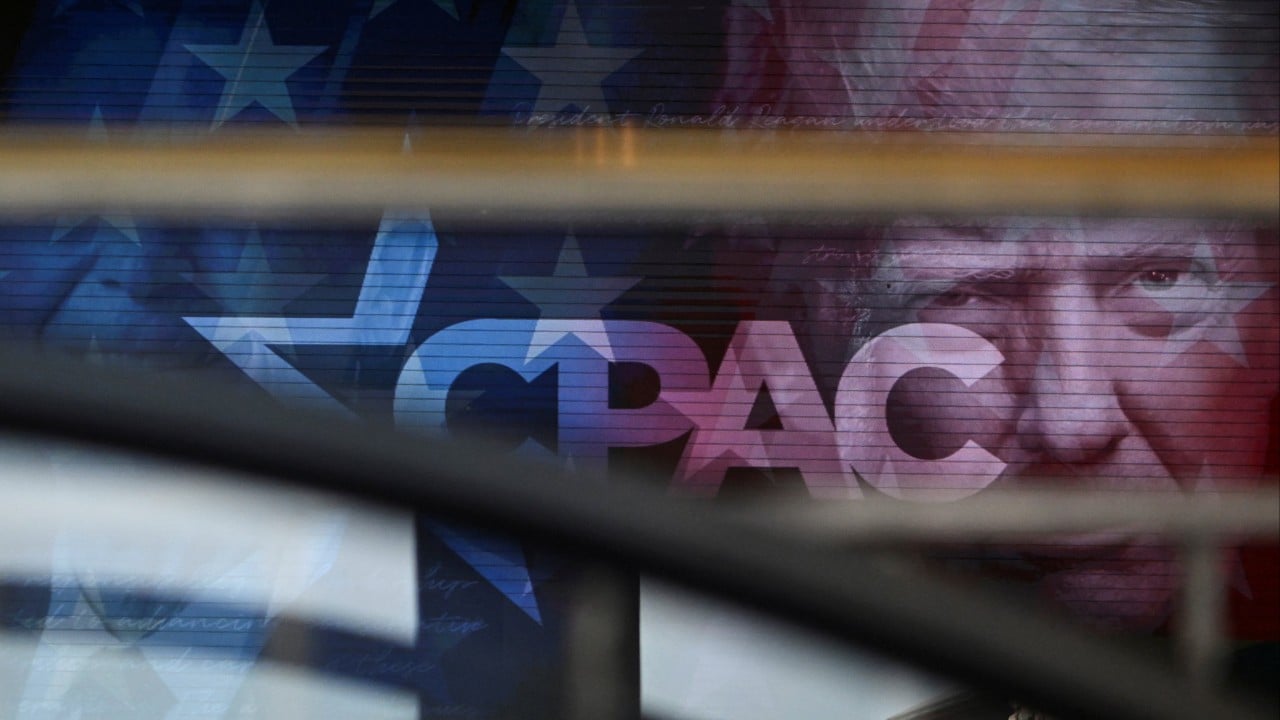
The ballroom at the Gaylord National Resort usually vibrates with a specific kind of electricity during the final days of February. It is a sensory overload of red silk ties, the smell of overpriced hotel coffee, and the constant, rhythmic thrum of "God Bless the U.S.A." echoing off the cavernous ceilings. For a decade, this has been the undisputed cathedral of the conservative movement. And for a decade, the high priest of that cathedral has been Donald Trump.
But this year, the air feels different. Thinner.
The podium stands ready. The teleprompters are polished to a mirror shine. The crowds have gathered, as they always do, draped in sequins and slogans. Yet, the man who turned this gathering into a global spectacle—the man who used this specific stage to launch a thousand political ships—has decided to stay home. For the first time in ten years, Donald Trump is skipping the Conservative Political Action Conference.
Silence can be louder than a shout.
The Weight of a Decade
To understand why a missed speech matters, you have to remember what this stage used to represent. Before 2011, CPAC was a policy shop. It was a place for wonks in pleated khakis to argue about marginal tax rates and the nuances of the Gold Standard. It was intellectual, dry, and, frankly, a bit stiff.
Then came the golden escalator era. Trump didn’t just join the movement; he swallowed it whole. He turned a seminar into a rally. He replaced white papers with punchlines. Over ten years, the relationship between the man and the conference became symbiotic. CPAC provided the adoring backdrop, and Trump provided the relevance.
Think of a hypothetical attendee—let’s call him Arthur. Arthur is a retired shop owner from Ohio who has saved up for six months to make the trip to National Harbor. He doesn't come for the breakout sessions on infrastructure. He comes for the moment the lights dim, the bass kicks in, and the former President walks out to a standing ovation that lasts five minutes. For Arthur, that moment is a validation of his world.
When that chair remains empty, Arthur isn't just missing a speech. He is feeling the first cold breeze of a changing season.
The Geography of Absence
The official word from the campaign trail is logistical. There are rallies to hold in Georgia. There are legal battles demanding attention in New York. There is the grueling, unglamorous work of securing delegates in a primary cycle that feels more like a marathon through a minefield.
But in politics, logistics are often a convenient shroud for strategy.
Choosing to skip the very event that built your foundation is a move of supreme confidence—or a calculated pivot. By staying away, Trump signal that he no longer needs the validation of the "movement" because he is the movement. He has graduated from the forum. Why compete for oxygen with rising stars and hopeful challengers when you can simply deprive the room of your atmosphere?
It creates a vacuum. In that vacuum, other voices try to find their pitch. You see governors and senators pacing the wings, rehearsing lines they hope will land with the same seismic force. They try on the cadence. They mimic the hand gestures. But the audience can tell the difference between the fire and the reflection of the fire.
The Invisible Stakes
There is a psychological toll to this kind of ghosting. The conservative base has grown accustomed to a certain level of direct, unmediated access to their leader. CPAC was the one time a year where the digital rage of social media became a physical reality.
When a leader stops showing up to the places that made him, it forces the followers to look at each other. They begin to wonder if the movement can survive the man, or if the man has outgrown the movement. It is a moment of profound uncertainty.
Consider the vendors in the hallway. The people selling "Never Surrender" t-shirts and commemorative coins. Their business model relies on the gravity of a single individual. When that individual skips the event, the foot traffic changes. The energy dips. The commerce of populism feels a little more like a clearance sale.
It isn't just about a missed weekend in Maryland. It is about the professionalization of a rebellion. Trump is moving into a general election posture. That requires a shift from the insurgent energy of the ballroom to the cold, hard math of the swing state. He is trading the cheers of the converted for the silence of the undecided.
The Echo in the Hall
Power is often defined by where it isn't.
By not being there, Trump becomes the primary topic of conversation anyway. Every speaker who takes the stage has to navigate the shadow of the man who isn't behind the curtain. If they praise him too much, they look like subordinates. If they don't mention him enough, they look like traitors.
It is a masterful, if cruel, bit of theater.
The halls of the Gaylord are long. They are lined with glass and steel, looking out over the Potomac River. Usually, these halls are filled with the frantic energy of people trying to get a glimpse of the motorcade. This year, people are walking a bit slower. They are looking at their phones more. They are checking the news to see where he is instead of looking at the stage to see who he is.
This is the hidden cost of the decade-long marriage between a personality and a platform. When the personality leaves, the platform feels like a movie set after the cameras have stopped rolling. The props are all there. The lights are on. But the story has moved to a different location.
The 2024 cycle is proving to be a year of broken traditions. We are seeing the dismantling of the old way of doing business—the debates, the town halls, the handshake tours. Trump’s absence from CPAC is the final brick in that wall. He is no longer an invitee. He is the sun, and the planets are being told they will have to find their own way to glow.
As the sun sets over the Potomac, the music in the ballroom kicks up again. A new speaker is introduced. The crowd claps. They are loyal, they are loud, and they are ready. But every time the door at the back of the hall opens, a few hundred heads turn, just for a second. They are looking for the familiar silhouette that isn't coming.
The chair remains on the stage. It is velvet, it is gold, and it is profoundly, undeniably vacant.
The movement is still there. The people are still there. But the center of gravity has shifted, leaving a room full of believers wondering if they are watching a beginning or an end.
The lights stay bright, but the room has never felt darker.