The high desert of New Mexico has a way of swallowing secrets. It is a land of brutal clarity and infinite horizons, where the wind scours the red earth and the silence is so heavy it feels like a physical weight. If you stand on the outskirts of Stanley, about 50 miles south of Santa Fe, the sky seems to go on forever. But for years, one corner of this vastness was shielded by more than just geography.
Zorro Ranch.
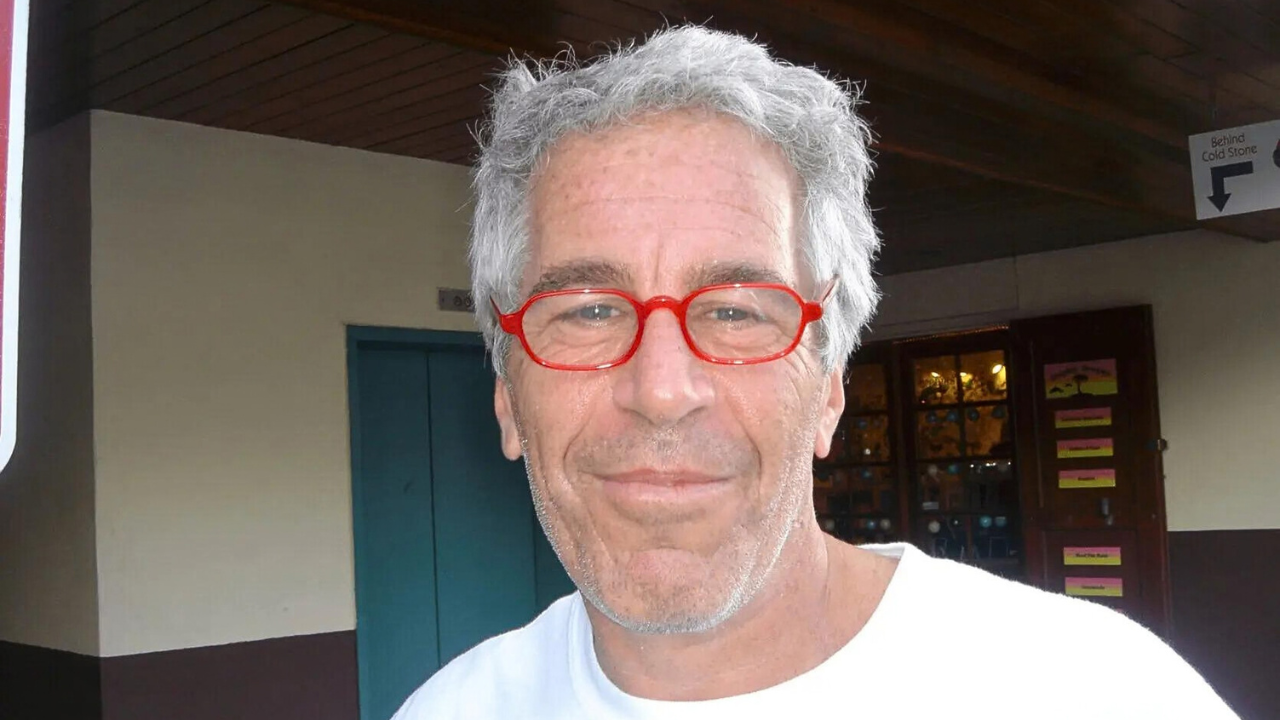
It sits as a sprawling monument to an ego that knew no bounds. Jeffrey Epstein didn’t just want a home; he wanted a kingdom. He built a 33,000-square-foot mansion that looms over the scrubland like a misplaced European manor. It is a structure of immense, cold luxury, surrounded by thousands of acres of nothingness. To the locals, it was a ghost ship on a sea of sagebrush. They saw the planes landing on the private runway. They saw the black SUVs kicking up plumes of grit. They knew something was wrong, even if they couldn’t put a name to the shadow.
The facts of what happened there are starting to bleed out of the legal transcripts and into the light. They are macabre. They are strange. They paint a picture of a man who viewed the world not as a collection of people, but as a set of biological parts to be managed, manipulated, and curated.
Consider the vision Epstein reportedly held for this soil. This wasn't just a getaway. According to scientists who spoke with him, he harbored a chilling, neo-eugenicist dream: he wanted to seed the human race with his own DNA. He looked at Zorro Ranch and didn't see a sanctuary; he saw a high-tech breeding ground. He spoke of impregnating dozens of women at a time on the property, turning a private residence into a laboratory for his own legacy.
The human element of this story isn't found in the architectural blueprints or the property deeds. It is found in the way a person feels when they realize they are being looked at as an object. Imagine a young woman arriving at that private airstrip. She is likely told of opportunities, of a world of influence and art, of a chance to escape whatever small-town cage she felt trapped in. She steps off the plane. The air is thin at 6,000 feet. The sun is blinding. She is driven through miles of gated property until she reaches the house.
Inside, the atmosphere shifts from vastness to enclosure.
There are stories of "massage rooms" that functioned as the headquarters for systematic abuse. There are accounts of a computerized monitoring system that would make a prison warden jealous. Epstein was obsessed with data. He was obsessed with control. This wasn't a home; it was a curated environment where every hallway was a trap and every room had an intended, dark purpose.
Local residents remember the isolation. One contractor described the interior as having a "sterile, creepy vibe," where the decor felt less like a home and more like a set. There were photos of famous people everywhere—trophies of association used to intimidate the powerless. If the most powerful people in the world were his friends, who would ever believe a girl from a different zip code?
The scale of the ranch provided a terrifying kind of freedom for the owner. At 10,000 acres, you can do anything. You can scream, and the sound will never reach a neighbor's ear. You can bury things—literal or figurative—and the desert will keep them hidden for decades.
But the silence is breaking.
When the FBI finally moved in, they didn't just find luxury. They found the infrastructure of a man who believed he was exempt from the laws of gravity and morality. They found the private hangar, the sprawling guest houses, and the echoes of a lifestyle that relied entirely on the silence of others.
The "macabre and strange" claims aren't just tabloid fodder. They are the logical conclusion of unchecked power meeting a void of empathy. When a man has billions of dollars and a total lack of conscience, he begins to treat the world like a sandbox. Zorro Ranch was that sandbox. It was a place where the human soul was traded for a moment of dominance.
The real tragedy lies in the psychological footprint left on the land. For the survivors, Zorro Ranch isn't a news headline. It is a scent of dry pine. It is the sound of a certain type of engine. It is a memory of looking out a window at a horizon that offered no escape.
The desert eventually reclaims everything. The paint on the mansion will peel. The runway will crack as the weeds push through the asphalt. The wind will keep blowing across the plains of Stanley, indifferent to the monsters that once walked there. But for now, the ranch stands as a hollow shell—a reminder that the most dangerous places on earth aren't always the ones we can't see, but the ones hiding in plain sight, protected by the very light that should expose them.
The sun sets over the Jemez Mountains, casting long, bloody shadows across the Zorro Ranch driveway. The gates are locked. The house is empty. Yet, the air still feels heavy with the things that were never said, and the lives that were changed forever in the heart of the silence.