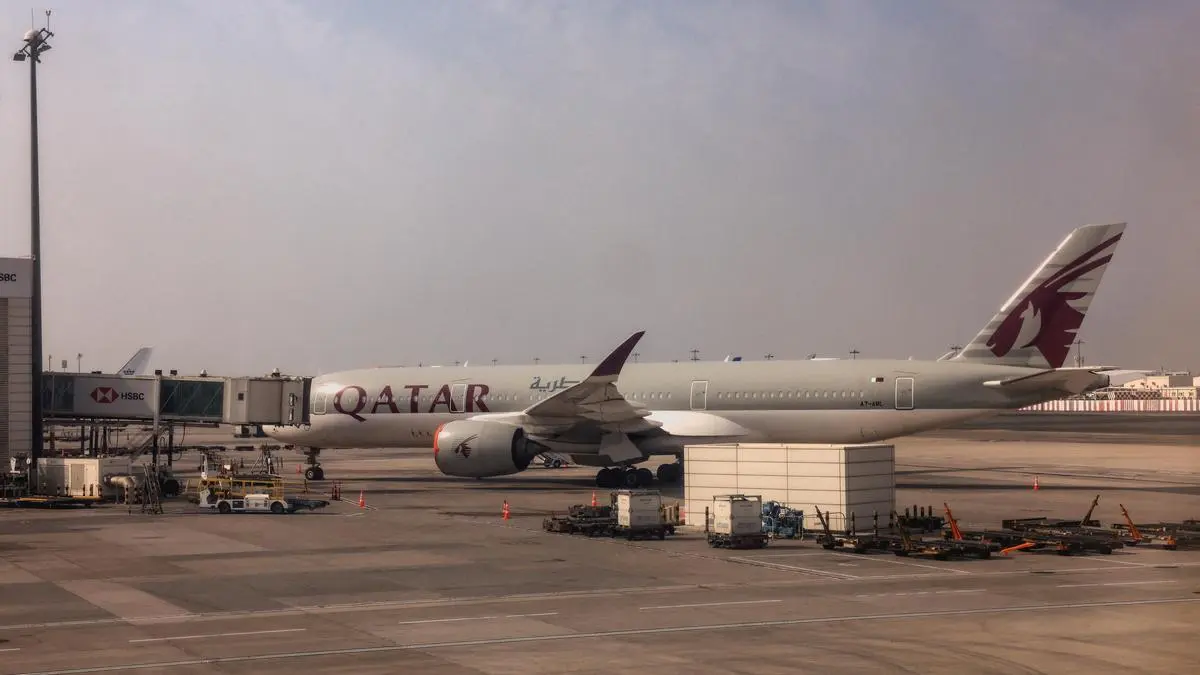
The dual drone incursions near Dubai International Airport (DXB) are not merely another blip in a regional friction cycle. They represent a calculated demonstration of how easily the world’s busiest hub for international travel can be throttled by off-the-shelf hardware and deniable intent. While official reports often frame these events as isolated incidents or technical malfunctions, the timing and the trajectory tell a much more sinister story. This was a stress test for a global economic artery.
Dubai sits at the intersection of East and West, a city built on the premise of friction-less movement and absolute safety. When two unmanned aerial vehicles (UAVs) penetrate the inner sanctum of its airspace, they aren't just a physical threat; they are a psychological and economic weapon. The shutdown of a major runway for even an hour costs millions in fuel, re-routing fees, and missed connections. More importantly, it chips away at the aura of invincibility that the United Arab Emirates has spent decades and billions of dollars to curate.
The Myth of Total Air Sovereignty
The modern airport is a fortress on the ground but a sieve in the sky. Despite the UAE’s heavy investment in state-of-the-art defense systems like the Terminal High Altitude Area Defense (THAAD) and Patriot batteries, these systems are designed to catch ballistic missiles and high-altitude jets. They are effectively blind to small, low-flying drones made of plastic and carbon fiber.
Detecting a drone with a radar signature smaller than a seagull is a nightmare for air traffic controllers. When these objects move at low speeds and hug the urban skyline, they blend into the background noise of a bustling metropolis. This is "asymmetric siege" in its purest form. A group or state actor can deploy a $2,000 device to hold a $15 billion infrastructure project hostage.
Current jamming technology exists, but it is a double-edged sword. To "fry" the signal of an incoming drone, security forces must emit high-powered radio frequency interference. In a dense environment like Dubai, that same interference can disrupt the very navigation systems that commercial airliners rely on to land safely. The defenders are trapped in a paradox: the cure for the drone threat can be as disruptive as the threat itself.
Tracking the Iranian Shadow
While no group has claimed direct responsibility for this specific breach, the fingerprints of the ongoing "Shadow War" with Tehran are visible across the geopolitical map. Iran has perfected the art of proxy warfare through the transfer of UAV technology to various regional actors. From the Houthi rebels in Yemen to militias in Iraq, the proliferation of the "Sammad" and "Shahed" drone families has changed the cost of conflict.
Tehran understands that it cannot win a head-to-head naval or aerial confrontation with the combined might of the UAE and its Western allies. Instead, it leans into deniability. If a drone is launched from a nondescript dhow in the Persian Gulf or a hidden site in the desert, tracing it back to a specific command center is a forensic nightmare.
The strategy is clear: keep the Gulf states in a perpetual state of high-alert fatigue. By forcing Dubai to scramble its security apparatus over small-scale incursions, the adversary drains resources and creates a narrative of instability. This hits the UAE where it hurts most—foreign direct investment and tourism. If a traveler perceives that a weekend in Dubai comes with the risk of being stranded due to a drone-induced airport lockdown, they look to Singapore or Doha instead.
The Weaponization of the Supply Chain
Beyond the drones themselves, we must look at how these components are reaching the front lines. Most "combat" drones used by non-state actors in the region are mosaics of global commerce. They use German engines, Chinese flight controllers, and American GPS chips.
- Commercial Availability: High-end hobbyist drones can be modified with 3D-printed release mechanisms in a matter of hours.
- GPS Spoofing: Advanced versions of these drones no longer rely on a constant radio link with an operator. They fly via pre-programmed coordinates, making jamming ineffective.
- Swarm Potential: The real fear for Dubai security isn't two drones; it is twenty. A coordinated swarm can overwhelm existing electronic countermeasures through sheer volume.
The Economic Shrapnel
The disruption at DXB ripples through the global economy with startling speed. Because the airport is a primary hub for FedEx and DHL, any delay in the air can stall supply chains across Europe and Asia.
Every minute of a runway closure can cost a major airline $5,000 to $10,000 in fuel and labor. When hundreds of flights are grounded or redirected to Sharjah or Al Maktoum International, the financial hemorrhage is severe. The insurance industry is already taking note. Premiums for aviation operations in the Gulf have surged as the risk profile of the region shifts from "safe harbor" to "potential theater of war."
A Fragmented Defense Strategy
The UAE's current approach to drone defense is a patchwork of disparate technologies. They have tried laser interception, signal jamming, and even net-gun systems. None of these provide a 100% guarantee against a determined adversary.
The problem is the "kill chain"—the time from detection to destruction. In a crowded city like Dubai, you cannot simply shoot down a drone over a populated area. The falling debris from a kinetic interceptor could cause more damage than the drone itself. This leaves security forces with few options besides soft-kill measures like electronic spoofing, which are increasingly being bypassed by the latest UAV firmware.
The Strategic Pivot for Gulf Security
To secure the future of the aviation sector, the Gulf states must move away from reactive "point defense" toward a proactive "network defense." This means a seamless integration of satellite surveillance, AI-driven radar, and regional intelligence sharing.
The current lack of a unified air-defense network among the Gulf Cooperation Council (GCC) states is a glaring vulnerability. If a drone is launched from one country and crosses into another, the handoff between military jurisdictions is often slow and bureaucratic. The drones move faster than the paperwork.
- Mandatory Transponders: Pushing for international regulations that require every drone sold to have a non-removable, encrypted transponder.
- Geofencing as Law: Hardcoding "no-fly zones" into every consumer-level drone's firmware by the manufacturer.
- Active Deterrence: Shifting the narrative from defense to consequences. The UAE and its allies must make it clear that a drone breach at a civilian airport is an act of war, not a "technical incident."
The Shadow of the Iran Crisis
The drone incursions in Dubai are inseparable from the broader Iranian nuclear and regional standoff. As long as Tehran feels backed into a corner by sanctions, it will use its UAV capabilities as a pressure valve. These drones are the modern-day equivalent of the 19th-century privateers—low-cost, high-impact raiders that disrupt the trade of a superior power.
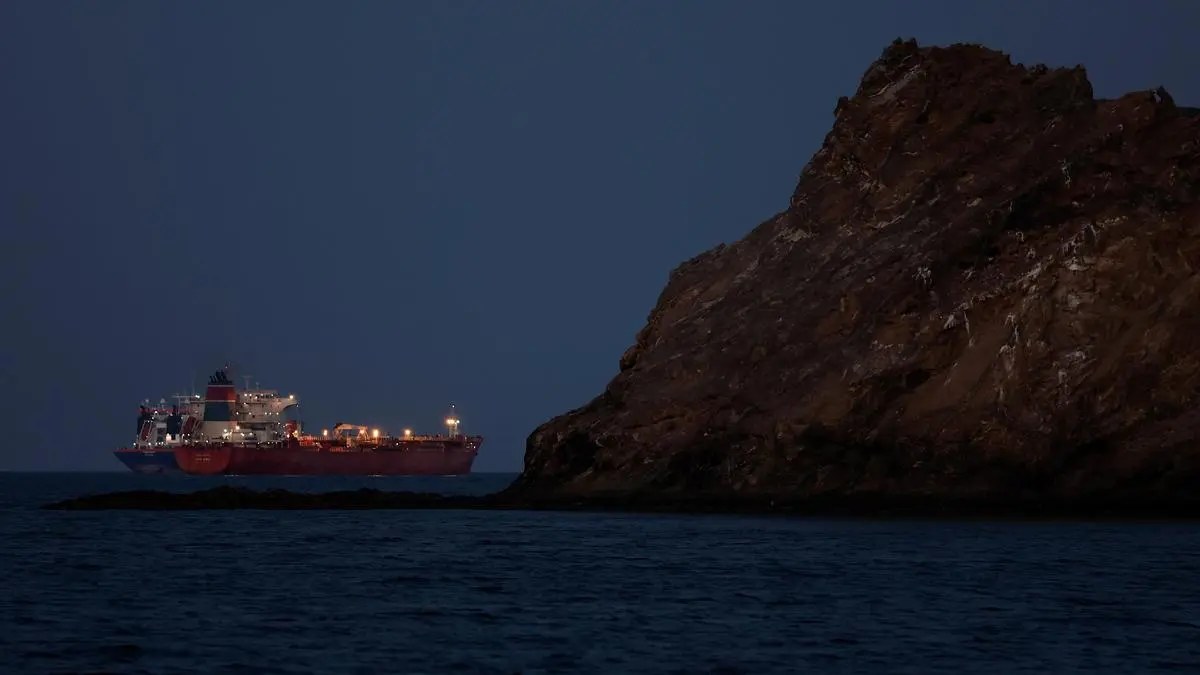
Dubai’s growth is built on the foundation of a stable and open Gulf. Any crack in that foundation, whether it's a drone over DXB or a tanker hit in the Strait of Hormuz, is a direct threat to the city's existential model. The "no sign of easing" in the Iran crisis isn't just a political talking point; it's a persistent tax on every person and business operating in the Middle East.
The era of the "unthinkable" disruption is over. Security experts and business leaders in Dubai must now operate under the assumption that the skies are no longer a sanctuary. The challenge is no longer just how to stop a drone, but how to maintain a global city when the threat of a $2,000 plastic flyer is the new normal.