For decades, the red, green, and blue Toyotas of Hong Kong have operated as rolling fortresses of fiscal tradition. While the rest of the city-state migrated to a cashless existence through the Octopus card in the nineties and later through mobile wallets, the taxi industry remained a stubborn holdout. The core premise remains simple: cash is king because cash is invisible. However, a shifting regulatory climate and a growing chorus of passenger complaints are finally forcing the industry to confront a digital transition that it has spent twenty years actively avoiding. This is not merely about convenience. It is a desperate attempt to salvage a reputation that has been battered by allegations of overcharging, cherry-picking passengers, and a refusal to modernize.
The push for electronic payments is being marketed as a cure-all for the industry's woes. Proponents argue it will eliminate the friction of small change and provide a transparent audit trail that puts an end to fare disputes. Yet, underneath the optimistic press releases lies a complex web of high licensing fees, aging drivers, and a deep-seated suspicion of tax transparency. To understand why your next cab ride might finally involve a QR code instead of a crumpled twenty-dollar note, one must look at the crumbling leverage of the taxi licenses themselves.
The Invisible Friction of the Cash Economy
Every time a driver claims their "machine is broken" or refuses a trip because they lack change for a five-hundred-dollar bill, the industry loses a fraction of its remaining public trust. These are not isolated incidents. They are the tactical maneuvers of a workforce that has long operated on the margins of formal accounting. Cash allows for immediate liquidity. It allows for the settling of fuel costs and shift rentals without a paper trail. In a city where the "premium" taxi experience is increasingly being defined by ride-hailing apps that bypassed the traditional fleet years ago, the street-hail industry is suffocating under its own anonymity.
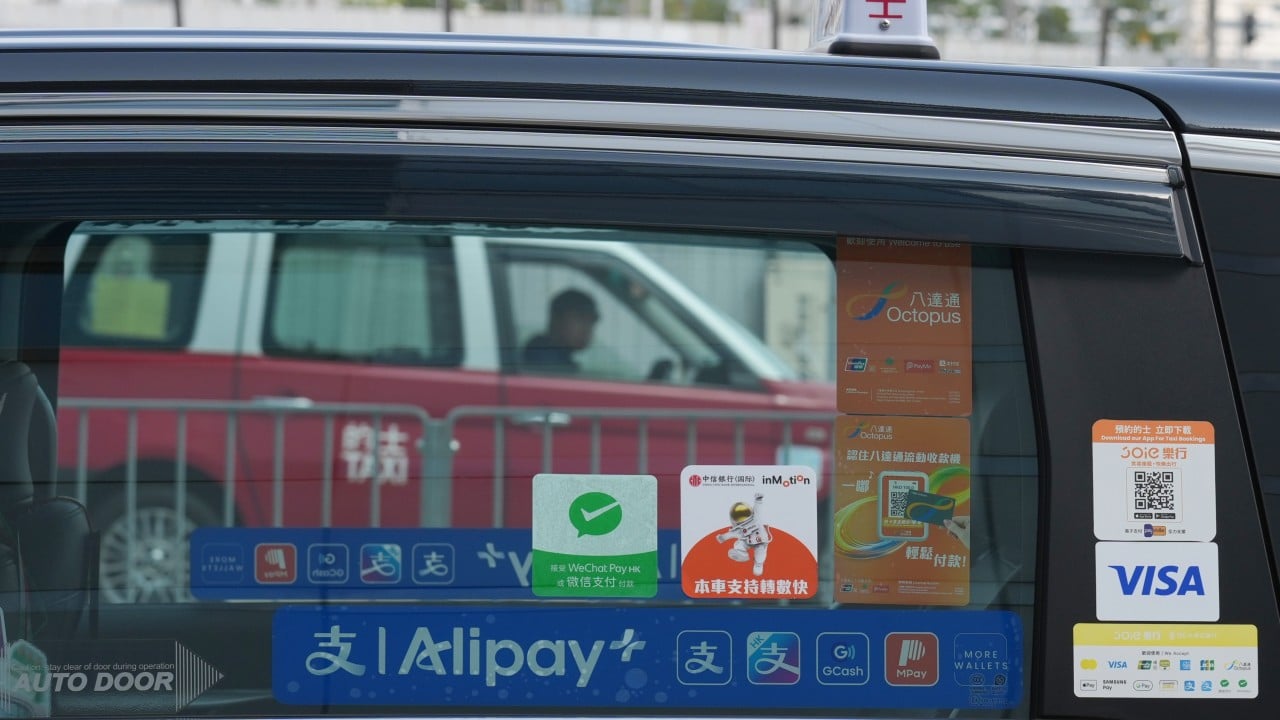
The introduction of unified payment gateways is intended to bridge this gap. By consolidating various platforms—Alipay, WeChat Pay, Octopus, and credit cards—into a single interface, the industry hopes to reduce the physical clutter of the dashboard. But the hardware is the easy part. The psychological barrier remains the primary obstacle. Drivers, many of whom are in their sixties or seventies, view the seconds spent waiting for a digital confirmation as lost time. In the high-velocity environment of Hong Kong traffic, time is the only currency that matters more than the fare itself.
The Economics of Modernization and the License Trap
The price of a taxi license in Hong Kong has historically been a bellwether for the city’s economic health. These licenses, traded like commodities, reached peaks of over seven million Hong Kong dollars before sliding downward. As the value of the license plate drops, the pressure on the operators to improve service increases. This is the "why" that most industry fluff pieces ignore. The push for e-payments is a defensive crouch. If the industry cannot prove it is modernizing, it risks losing its protected status to the "illegal" ride-sharing services that the government has, thus far, failed to fully regulate or fully ban.
The math for the individual driver is often less convincing than it is for the fleet owner. Consider the transaction fees. When a passenger pays with a credit card, a small percentage of that fare vanishes into the coffers of the payment processor. For a driver operating on razor-thin margins after paying for a twelve-hour shift rental and gas, that two or three percent feels like a personal tax. This explains the quiet resistance. It is a battle over who absorbs the cost of progress. If the fleet owners provide the equipment but the drivers pay the transaction fees, the hardware will continue to "malfunction" with suspicious frequency.
The Problem of the Audit Trail
Transparency is a double-edged sword. For the passenger, a digital record of the journey and the payment is a safety net. It provides an undeniable proof of purchase if a phone is left in the backseat or if a driver takes a suspiciously circuitous route to the airport. For the tax authorities, it represents a window into an industry that has largely been a black box.
There is a legitimate fear among the rank-and-file that a total transition to e-payments will lead to a mandatory reporting of income that has previously gone unrecorded. This is the silent killer of digital adoption. The industry leaders who speak to the media about "attracting more riders" rarely mention the Inland Revenue Department, but you can be certain the drivers are thinking about it every time they see a QR code sticker on their window.
Solving the Fare Dispute Crisis
Fare disputes in Hong Kong are a ritual of mutual frustration. They usually center on the calculation of tunnel tolls, luggage fees, or the perceived "scamming" of tourists. By moving the transaction to a digital platform, the calculation becomes automated. The GPS records the route, the system adds the pre-defined surcharges, and the final number is pushed to the passenger’s device. This removes the human element from the negotiation, which is exactly what a modernizing city requires.
However, the technology must be faster than the manual exchange of cash to be successful. If a digital payment takes thirty seconds to process in a "no-stopping" zone, the driver risks a traffic ticket that would wipe out the profits from three previous fares. The infrastructure needs to be as instantaneous as the Octopus tap on a bus. Without that speed, the system is a hindrance, not a help.
The Competition from Above and Below
The taxi industry is caught between the high-end private hire cars and the efficiency of the MTR. To survive, it must occupy the middle ground of reliable, ubiquitous transport. But reliability is currently the industry’s greatest weakness. The refusal to accept digital payments is often linked to the refusal to take certain routes—the infamous "not going across the harbor" excuse.
When a payment is handled through an app, the destination is often pre-set, and the payment is pre-authorized. This strips the driver of the ability to discriminate based on the destination or the payment method. For the public, this is a win. For a segment of the driver population that has enjoyed total autonomy over who they pick up and where they go, it feels like an encroachment on their independence. The friction we see today is the sound of an old business model being ground down by the expectations of a digital-first population.
The Role of the Government and Mandatory Mandates
Voluntary adoption has failed. For twenty years, the government encouraged the industry to modernize, and for twenty years, the industry did the bare minimum. We are now entering an era of mandates. The introduction of the "Taxi Fleet" licenses, which require certain service standards and the inclusion of electronic payment options, is the first real sign that the velvet glove has been removed.
If the government wants a world-class transport system, it cannot allow a vital link in that system to operate like a nineteenth-century bazaar. The leverage here is the regulatory power to issue or revoke the right to operate. By tying the ability to charge higher fares to the requirement of offering digital payments, the authorities are finally using a language the industry understands: the bottom line.
Rebuilding the Workforce for a New Era
The average age of a Hong Kong taxi driver is a demographic time bomb. Younger workers are not entering the profession because the work is grueling, the benefits are non-existent, and the technology is archaic. Introducing e-payments is a necessary step toward making the profession viable for a generation that doesn't carry wallets.
A younger driver expects an integrated system. They expect a dashboard that looks like a smartphone, not a collection of five different mobile phones suction-cupped to the windshield. By streamlining the payment process, the industry might finally attract drivers who view the job as a professional service rather than a survivalist hustle. This shift in personnel is perhaps the only way to truly eliminate the "bad apples" who have given the red cabs a reputation for hostility.
The Reality of the Transition
We should not expect a smooth ride. There will be "system outages." There will be older drivers who simply retire rather than learn a new interface. There will be heated arguments at the end of journeys when a credit card fails to authorize. But the direction is irreversible. The "cash only" sign is becoming a relic of a Hong Kong that no longer exists—a city that was comfortable with the grey market and the informal handshake.
The definitive test of this modernization will not be a government press conference or a shiny new app launch. It will be the moment a tourist steps into a cab at the airport, arrives at a boutique hotel in Central, and completes the entire transaction without a single word being exchanged or a single coin being minted. That silence is the sound of a functioning economy.
Ask the next driver you meet about their digital terminal. Their answer will tell you more about the future of Hong Kong's economy than any stock market report.