The standard news cycle for a "woman overboard" incident follows a script so predictable it’s a wonder the ink doesn't dry before the tragedy even occurs. First comes the identification, then the grainy vacation photo, followed by a somber tally of the Coast Guard assets deployed into the turquoise waters of the Bahamas. We treat these events like freak lightning strikes—unavoidable acts of god that warrant nothing but prayers and a brief investigation into "safety protocols."
This narrative is a lie. In other news, read about: The Golden Mirage and the Sound of Sand Returning.
The media obsesses over the search, but they ignore the physics. If you go over a railing on a modern mega-ship, the math is already against you. We are not looking at a safety failure; we are looking at a fundamental misunderstanding of the maritime environment and the human psyche. The real story isn't that someone fell; it's that we’ve built floating cities designed to make people forget they are in the middle of a hostile, unforgiving ocean.
The Railing Myth and the Physics of the Fall
Most people assume that "falling overboard" is something that happens because of a slippery deck or a sudden lurch. It isn't. According to data tracked by cruise casualty experts, the vast majority of overboard incidents involve intentional acts or extreme intoxication. Modern cruise ship railings are required by the Cruise Vessel Security and Safety Act (CVSSA) to be at least 42 inches high. You do not "trip" over a 42-inch guardrail. The Points Guy has also covered this fascinating issue in great detail.
To go over, you have to climb, sit on, or be lifted over that barrier.
When the news reports an "accidental fall," they are often sanitizing a much more complex reality to protect the brand of the cruise line and the privacy of the victim. But in doing so, they obscure the actual risk. The risk isn't the railing height; it's the psychological disconnect created by the "resort" atmosphere. When you’re surrounded by neon lights, soft carpets, and a 24-hour buffet, the fact that you are moving at 20 knots through a medium that will kill you in minutes becomes an abstract thought.
The ocean is treated as a backdrop for Instagram, not a predatory force.
The Surveillance Gap Nobody Wants to Close
Every time a headline breaks about a missing passenger in the Bahamas, the public asks: "How did they not know immediately?"
The technology to detect a man-overboard (MOB) event in real-time has existed for years. Thermal sensors, radar, and computer vision systems can trigger an alarm the second a human-sized object breaks the plane of the ship’s hull. Yet, the adoption of these systems across the industry is spotty at best.
Why? Because the "lazy consensus" says that manual watch and standard CCTV are enough. They aren't. Standard cameras are reactive; they are used to reconstruct the tragedy after the fact, not to prevent it. I’ve seen maritime tech demos where these automated systems work with 95% accuracy, yet cruise lines often cite "false positives" from birds or spray as a reason to delay fleet-wide implementation.
The truth is darker. If a ship acknowledges a person has gone overboard the second it happens, the legal and operational clock starts ticking instantly. Delaying that realization by even two hours—waiting until a cabin steward notices a missing guest—drastically changes the liability and the cost of the search.
The Search and Rescue Theater
The U.S. Coast Guard and Bahamian authorities spent hours scouring the waters for the latest victim. While their bravery is unquestionable, the efficacy of these searches in the open sea is often a form of "theater" to provide closure rather than a viable rescue mission.
Consider the variables:
- The Fall: A fall from a height of 60 to 100 feet (the height of upper decks on modern ships) into water is equivalent to hitting concrete. Internal trauma or immediate drowning from the "gasp reflex" is the most likely outcome.
- The Drift: In the Gulf Stream or the waters around the Bahamas, currents move at several knots. By the time a ship turns around—a maneuver that can take miles for a vessel weighing 225,000 gross tons—the person is no longer where they fell.
- The Visibility: Spotting a human head in a "moderate" sea state is like trying to find a single coconut in a field of moving boulders.
When we focus the article on the "search efforts," we are focusing on the aftermath of a failure. We should be focusing on the fact that the industry has successfully lobbied to keep "automatic man-overboard" systems as a recommendation rather than a hard, enforced requirement for every vessel entering U.S. ports.
The Bahamas Trap
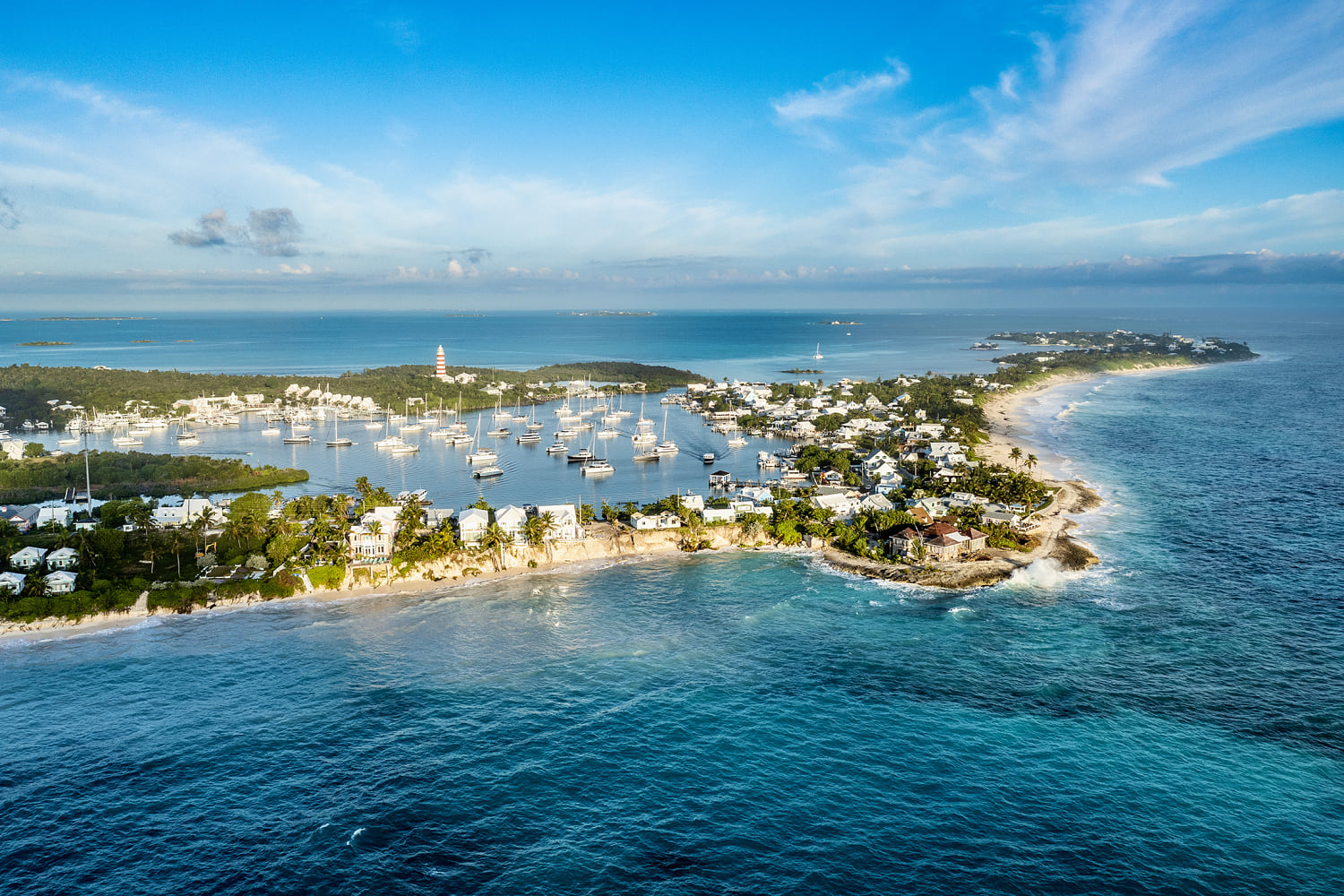
The Bahamas isn't just a scenic destination; it is a jurisdictional labyrinth. When an American citizen goes overboard in Bahamian waters on a ship flagged in the Bahamas or Panama, the FBI’s reach is legally complex.
The competitor piece treats the location as a mere setting. In reality, the location is a shield. Investigating a disappearance on a foreign-flagged vessel in international or territorial waters is a nightmare of red tape. The cruise lines know this. The lawyers know this. The only people who don't know this are the passengers who believe they are under the protection of the same laws they enjoy in Miami or New York.
Stop Asking "Who" and Start Asking "How"
The "People Also Ask" sections of search engines are filled with queries about the victim's name, their hometown, and their family's reaction. These are the wrong questions. If you want to actually change the safety of the industry, you should be asking:
- Does this specific hull have an automated MOB detection system installed?
- What was the bridge response time from the moment the person hit the water to the "Oscar, Oscar, Oscar" call?
- Why are alcohol "drink packages" sold with zero-to-little monitoring of intoxication levels near high-risk deck areas?
We treat cruise ships like theme parks. But Disney World doesn't have a perimeter that drops into a 3,000-foot abyss.
The industry sells a fantasy of total safety and controlled environments. When that fantasy breaks, they point to the railing and say, "They must have climbed it." It’s a masterful way of shifting 100% of the responsibility onto the individual while ignoring the environmental and technological failures that make recovery impossible.
The Actionable Truth for the Modern Traveler
If you are waiting for the industry to "fix" this through better lighting or more signs, you are going to be waiting a long time. Safety is a cost center; entertainment is a profit center.
If you find yourself on a ship, understand that the "resort" is an illusion. You are on a massive industrial machine in a wilderness that wants to swallow you. The balcony isn't a patio; it's a ledge. The railing isn't a decoration; it's the only thing standing between you and a physics problem you cannot win.
Stop looking at the search parties as a sign of a functioning safety net. They are the cleanup crew for a system that chooses reactive investigation over proactive detection. The next time you see a headline about a woman identified after falling overboard, don't look at her photo. Look at the ship's bridge and ask why they needed a headline to know she was gone.
The ocean doesn't care about your vacation. And as long as detection remains "optional," neither does the bottom line.
Go back to your cabin. Lock the balcony door. The sea is always hungry.