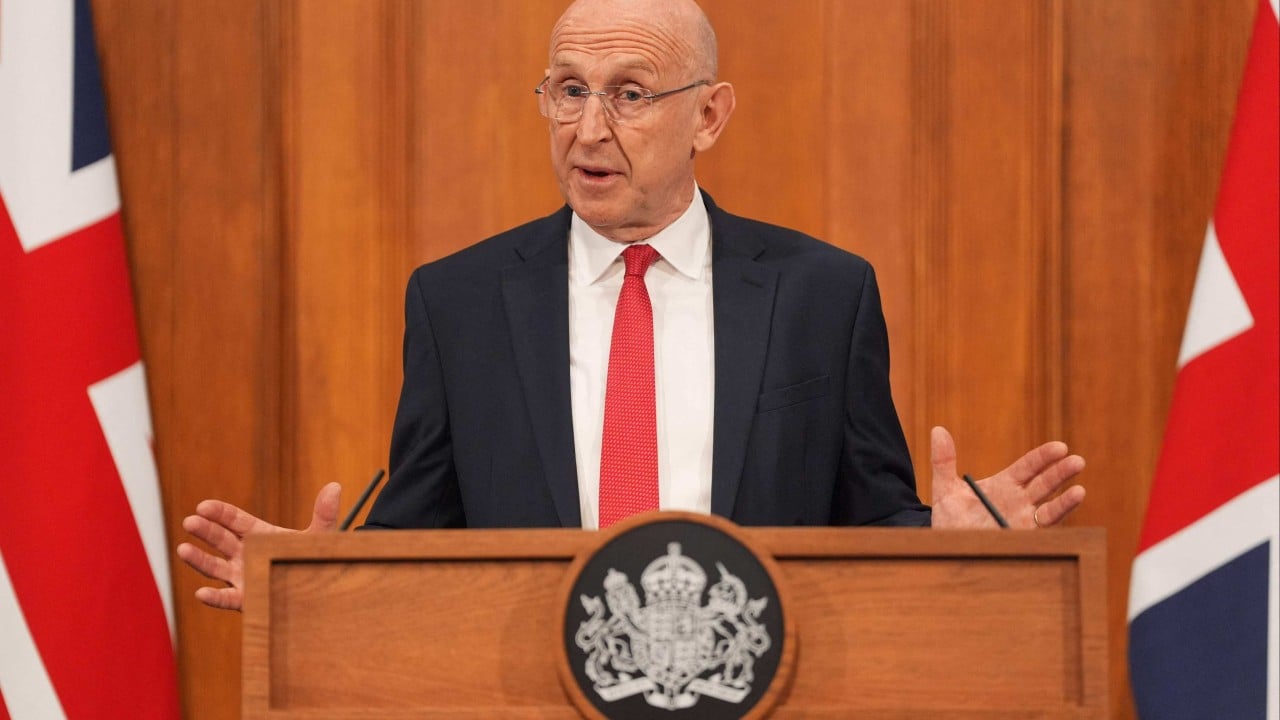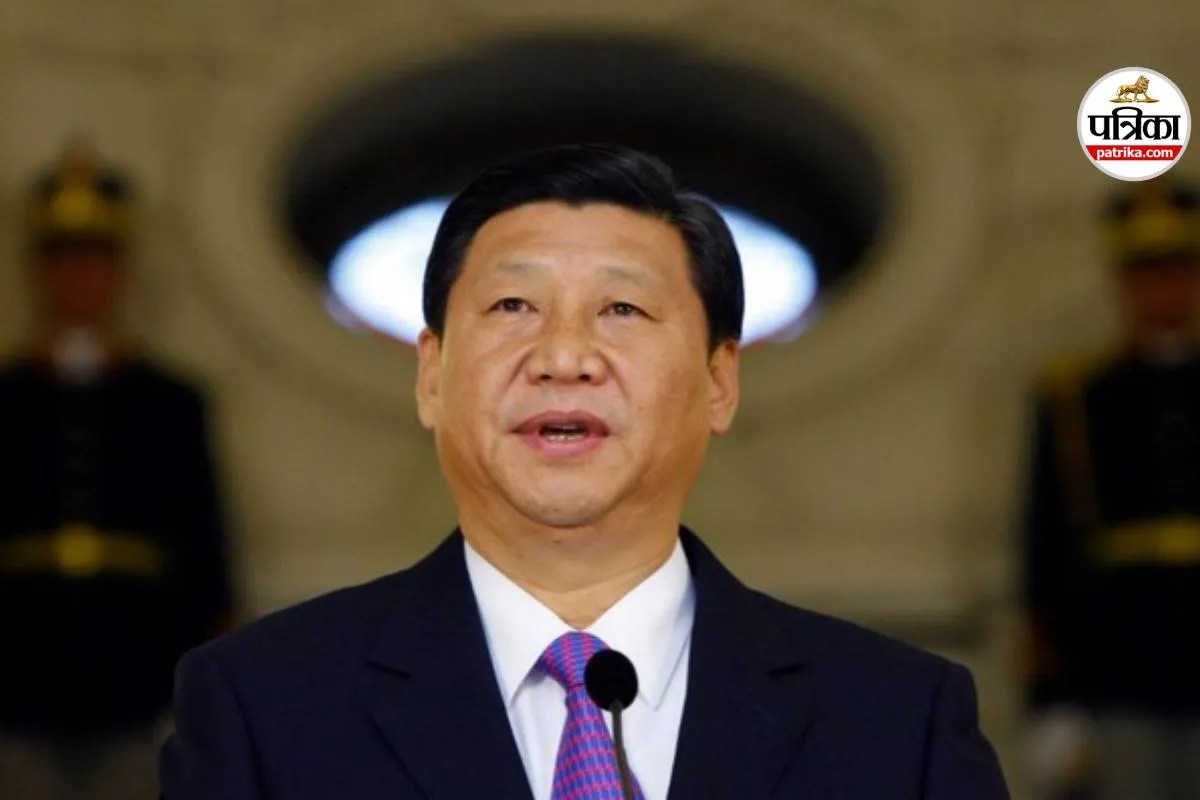
The mainstream media is currently obsessed with the narrative of a "shifting global axis." Following Donald Trump’s renewed threats against Tehran, Beijing stepped into the spotlight with a performative display of diplomatic muscle, warning the U.S. and Israel to tread carefully. The lazy consensus suggests we are witnessing the birth of a new, China-led security architecture in the Middle East.
They are wrong.
What we are actually seeing is a desperate PR campaign by a nation that has mastered the art of the "empty gesture" while lacking the actual military or economic stomach to back it up. China isn't protecting Iran; it is protecting its own energy receipt. If a single shot is fired in the Strait of Hormuz, Beijing’s grand "peace mediator" mask will vanish faster than a bad IPO.
The Myth of the Chinese Security Umbrella
Geopolitical analysts love to talk about "strategic depth" as if it’s a board game. They see China’s mediation between Saudi Arabia and Iran as a masterstroke that sidelined Washington. In reality, that deal was a low-hanging fruit. Both parties wanted a breather, and Beijing was simply the most convenient waiter to bring the check.
When China issues a "big statement" regarding U.S. and Israeli actions, it isn't projecting power. It is projecting anxiety. Unlike the United States, which maintains the Fifth Fleet and a network of hardened bases, China’s presence in the region is purely transactional. They are the world’s largest importer of crude oil. Their entire economic engine depends on the very regional stability they are incapable of enforcing.
I have watched dozens of these "security forums" in Beijing where bureaucrats talk about "win-win cooperation." It sounds great in a press release. It fails the moment a drone hits a tanker. China has no interest in being the world's policeman because being the policeman is expensive, bloody, and politically thankless. They want the benefits of a global order maintained by American tax dollars while simultaneously complaining about the "hegemony" that keeps their oil flowing.
Following the Money Instead of the Rhetoric
Let’s look at the actual data, not the diplomatic fluff.
China’s "Comprehensive Strategic Partnership" with Iran promised $400 billion in investment over 25 years. That was the headline. The reality? Actual capital flow has been a trickle. Chinese firms are terrified of secondary U.S. sanctions. For all the talk of "de-dollarization" and defying the West, the biggest Chinese banks—ICBC, Bank of China—regularly freeze Iranian accounts to stay in the good graces of the New York clearing system.
China’s "support" for Iran is a calculated hedge. They provide enough diplomatic cover to keep the oil discounted, but never enough to actually provoke a direct confrontation with the U.S. financial system.
The Cost of Intervention
- U.S. Model: Spends billions on carrier strike groups to guarantee freedom of navigation.
- Chinese Model: Issues a sternly worded statement at a press conference in Beijing and hopes nobody notices they can't project power past the First Island Chain.
The Israel-China Paradox
The competitor article ignores the most uncomfortable truth in the room: China needs Israel.
Beijing’s rhetoric might lean pro-Palestine or pro-Iran to court the Global South, but their "Silicon Wadi" connections are non-negotiable. China has poured billions into Israeli infrastructure, from the Haifa port to the Tel Aviv light rail. They are obsessed with Israeli ag-tech and semiconductor IP.
When China warns Israel to "exercise restraint," it’s a theatrical performance for their audience in the Arab world. Behind closed doors, they are checking the delivery status of their next shipment of dual-use technology. This isn't "nuanced diplomacy"; it’s a double game that is becoming increasingly unsustainable as the region moves toward a binary choice.
Why Trump’s "Threats" Actually Benefit Beijing
Here is the counter-intuitive reality: China thrives when the U.S. plays the "bad cop."
Every time Donald Trump or any U.S. administration ramps up the pressure on Tehran, it drives the price of Iranian crude down. Who buys that discounted oil? China. They use a "ghost fleet" of tankers and small, independent "teapot" refineries to bypass sanctions, essentially getting a massive subsidy on their energy costs thanks to U.S. foreign policy.
If the U.S. actually backed off and the region stabilized under a new local equilibrium, China would lose its "troubled water" discount. They don't want peace; they want a manageable level of friction that keeps their suppliers desperate and their competitors distracted.
The Fragility of the "New World Order"
The "People Also Ask" sections of the internet are filled with queries like "Will China replace the U.S. in the Middle East?"
The answer is a brutal no.
To replace a hegemon, you must be willing to bleed for your allies. China has shown zero inclination to provide security guarantees to anyone. They didn't protect their investments in Libya when it collapsed. They didn't stop the attacks on shipping in the Red Sea, even when their own supply chains were affected. They simply asked the Houthis—very politely—to please not hit the ships with Chinese flags.
That isn't leadership. That’s a hostage negotiation.
Imagine a scenario where the conflict between Israel and Iran escalates into a full-scale regional war. The U.S. would be forced to intervene to protect the global economy. China would sit in the UN Security Council, vetoing resolutions and calling for "dialogue," while their factories shutter because they can't get the lights on without Gulf oil.
The Professional’s Take on the "Big Statement"
When you read a headline about China "stepping up" after a Trump threat, understand that you are reading a script.
- The Posture: China uses the U.S. as a convenient foil to look like the "rational actor" to developing nations.
- The Profit: They maintain just enough tension to keep Iranian oil cheap and American resources drained.
- The Pivot: The moment things get real, Beijing pivots back to its internal problems—property market crashes, demographic collapse, and a banking system held together by duct tape.
Investors and analysts who bet on a "Chinese Middle East" are ignoring the fundamental lack of power projection. A blue-water navy isn't built on press releases. A global currency isn't built on capital controls.
Stop looking at what Beijing says. Look at what they do when the pressure mounts. They hide behind the very "international order" they claim to despise, praying that the Americans keep the sea lanes open for one more day.
The dragon isn't rising in the Middle East; it’s just crouching, hoping no one notices its legs are shaking.