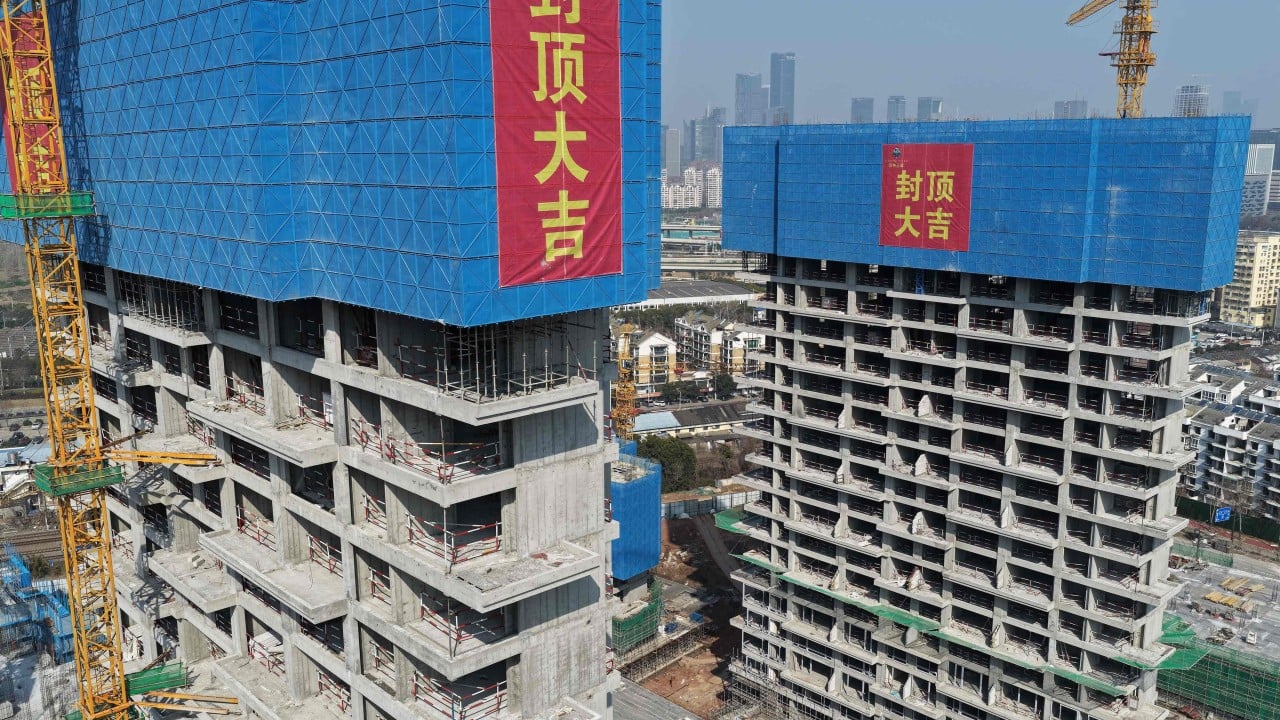
The era of the Chinese bulldozer is over. For three decades, the formula for China’s economic dominance was simple: borrow money, pour concrete, and watch the GDP climb. It was a cycle that turned sleepy villages into metropolises and propelled a rural nation into the middle class. But that engine has stalled, and Beijing has no intention of jump-starting it. Instead of a temporary fix to save drowning developers like Evergrande or Country Garden, the central government is executing a controlled demolition of the entire real estate sector to force capital into high-tech manufacturing.
This is not a rescue mission. It is a fundamental structural shift that aims to end the "land finance" model that once powered nearly 30% of the nation's economic activity. By refusing to bail out the property market to its previous heights, policymakers are betting that they can replace apartments with semiconductors, electric vehicles, and green energy. It is a dangerous transition. If the new industries cannot grow fast enough to offset the massive hole left by the property collapse, China faces a decade of stagnation. You might also find this similar story insightful: The Middle Power Myth and Why Mark Carney Is Chasing Ghosts in Asia.
The Death of the Pre Sale Dream
The Chinese property market was built on a foundation of "pre-sales." In this system, homebuyers paid for apartments years before they were built. Developers used that cash as an interest-free loan to buy more land and start even more projects. It was a massive, nationwide Ponzi-style structure that worked as long as prices kept rising.
When the "Three Red Lines" policy arrived in 2020, it cut off the credit that kept this machine running. Suddenly, the cash flow evaporated. Work stopped on millions of homes. Today, the priority for Beijing is not helping developers pay back their bondholders in New York or London. The priority is "social stability," which translates to finishing the apartments that ordinary citizens have already paid for. As reported in detailed coverage by Harvard Business Review, the results are worth noting.
This shift represents a hard pivot from speculation to utility. Beijing’s new mantra, "houses are for living in, not for speculation," has moved from a slogan to a brutal financial reality. The government is steering the sector toward a state-led model where affordable housing and government-backed rentals replace the luxury high-rises that once dominated the skyline.
Local Governments in the Crosshairs
To understand why this redesign is so painful, one must look at the balance sheets of local governments. For years, city officials funded their budgets by selling land to developers. This money paid for schools, hospitals, and the very infrastructure that made the land valuable in the first place.
With developers no longer buying land, local governments are facing a fiscal black hole. Their debt, often hidden in Local Government Financing Vehicles (LGFVs), is estimated to be in the trillions of dollars. Beijing’s response has been cold: "Who fathered the child must carry it." The central government is forcing local authorities to tighten their belts and find new ways to generate revenue, such as property taxes or higher utility fees, even if it hurts short-term growth.
This is a deliberate attempt to break the addiction to land. By starving local governments of easy land money, the central leadership is forcing them to compete for "quality" investment—factory's and research labs rather than shopping malls and gated communities.
The New Productive Forces
Xi Jinping has dubbed the replacement for the property sector the "New Productive Forces." This is more than just a buzzword. It represents a massive state-directed movement of capital.
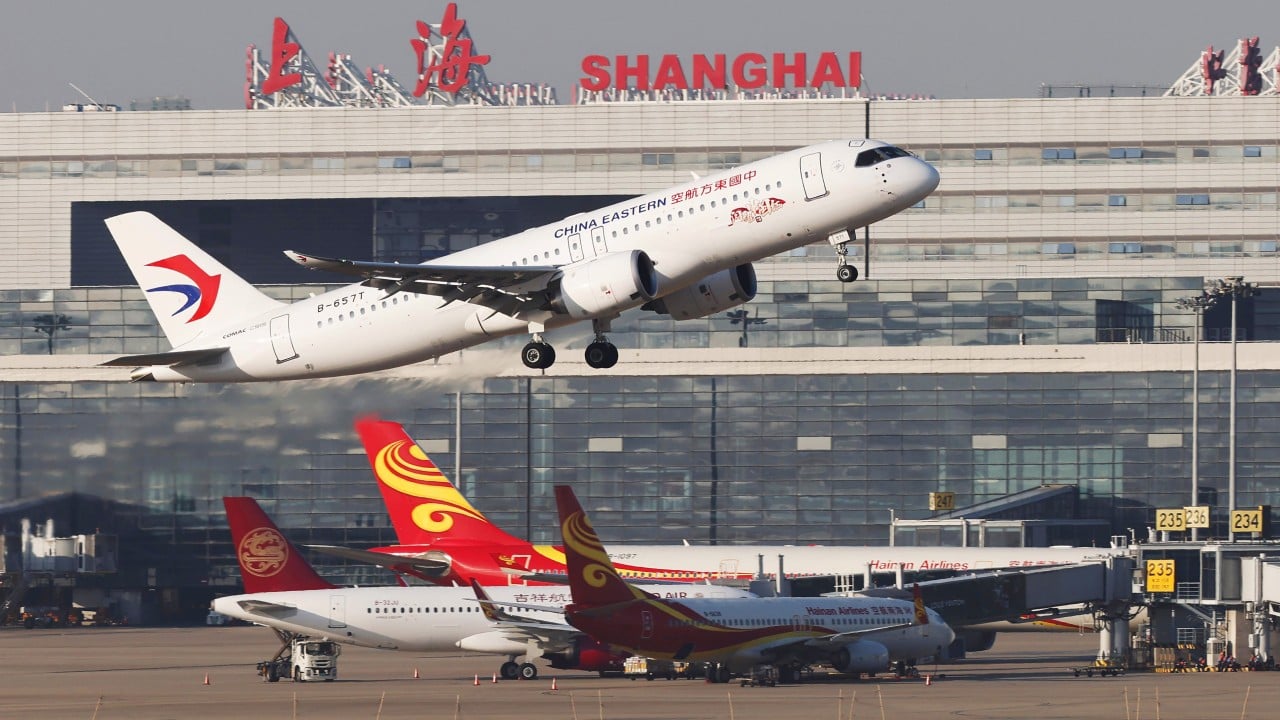
Banks that used to shovel loans into real estate are now being told to lend to high-end manufacturing. The goal is to move up the value chain. If China can dominate the global supply of batteries, solar panels, and legacy chips, it believes it can maintain its superpower status without needing a booming housing market.
The Math of the Pivot
The scale of this transition is staggering. Consider the following shifts in capital allocation:
- Real Estate Investment: Has contracted for several consecutive years, shedding trillions of yuan in value.
- Manufacturing Credit: State banks have increased lending to industrial sectors by double digits to compensate.
- Household Wealth: Roughly 70% of Chinese household wealth is tied up in property. As prices stagnate or fall, the "wealth effect" vanishes, crushing domestic consumption.
The risk is that manufacturing cannot carry the load alone. Factories do not employ as many low-skilled workers as construction sites do. Furthermore, the world is beginning to push back against China’s export-led growth. If China builds the world's most efficient factories but the US and Europe build tariff walls, the "New Productive Forces" will have nowhere to sell their goods.
Why a Reflation is Not Coming
Western analysts have spent years waiting for a "bazooka" stimulus—a massive injection of cash to send property prices back to the moon. They are still waiting. Beijing views the previous property bubble as a threat to national security. High housing prices discouraged young couples from having children, contributing to a demographic crisis. Excessive debt in the housing sector created systemic risks that could have led to a Lehman-style collapse.
Instead of a bazooka, China is using a "scalpel." It is providing just enough liquidity to prevent a total banking meltdown while allowing the air to slowly hiss out of the bubble. This is why we see "white lists" of approved projects getting funding while the parent companies remain in default. The project lives; the developer dies.
The Social Contract Under Strain
The silent victim in this redesign is the Chinese middle class. For thirty years, the unspoken agreement was: "Accept the party’s rule, and your assets will grow in value." Now, for the first time in a generation, that promise is being broken. Apartment values in secondary cities have cratered.
This creates a paradox. To move to a high-tech economy, China needs its citizens to spend money on services and products. But because their main asset is losing value, people are saving every penny they have. This "balance sheet recession" is exactly what happened to Japan in the 1990s. China is trying to avoid Japan’s fate by forcing innovation, but you cannot force a worried consumer to go shopping.
The Long Road to a State Led Market
What emerges on the other side of this crisis will not look like the free-wheeling, wild-west property market of the 2010s. We are seeing the "Singapore-ization" of Chinese real estate.
The future involves a much larger role for state-owned enterprises (SOEs). These companies are stepping in to buy up distressed assets and complete unfinished projects. The end goal is a bifurcated market: a small, high-end private sector for the wealthy and a massive, state-managed system of affordable housing for everyone else.
This gives the government more control over the population and the economy. It eliminates the volatility of the private market but at the cost of the entrepreneurial energy that built the country's cities.
The Structural Trap
The redesign of the property sector is an admission that the old model of growth has reached its physical limits. You can only build so many bridges to nowhere and so many "ghost cities" before the math stops working.
The struggle now is whether the state can pick winners in the technology sector as effectively as it built apartments. History suggests that top-down industrial policy is hit-or-miss. For every success story like the EV industry, there are dozens of failed, state-funded semiconductor projects that resulted in nothing but wasted capital and corruption.
Beijing is currently prioritizing "hard tech" over consumer internet companies or real estate. They want things that fly, think, and power the world, not apps for food delivery or platforms for selling luxury condos. This is a wartime-style mobilization of resources aimed at making China self-sufficient in the face of Western sanctions.
The Immediate Reality for Investors
The implications for global markets are profound. Commodities like iron ore and copper, which were once buoyed by the Chinese construction boom, will face long-term headwinds. The days of China importing the world’s raw materials to build empty skyscrapers are over.
For those waiting for a return to the "good old days," the message from the Great Hall of the People is clear. There is no plan to save the property market. There is only a plan to survive its downfall. The pain currently felt by global investors and local homeowners is not a side effect; it is the point.
The "China Dream" is being rewritten in real-time. It no longer features a deed to a third investment property in a tier-three city. It features a workstation in a high-tech lab and a government-subsidized rental. Whether the Chinese people will accept this new version of prosperity remains the most important question in the global economy.
Watch the credit flow. Follow the money away from the developers and toward the high-tech industrial parks in the Pearl River Delta. That is where the new China is being built, and it is being built on the ruins of the old world.
The transition will take a decade, not a fiscal quarter. Any bet on a quick recovery for Chinese real estate is a bet against the explicit stated goals of the Chinese Communist Party. They have decided that the risk of a bubble is greater than the risk of a slowdown. They are choosing the slow, painful path of reform over the fast, easy path of debt.
Accept that the old China is gone. The new one is being forged in a high-stakes industrial experiment that the world has never seen before.
Find the companies that supply the "New Productive Forces" and ignore the ones that sell the bricks.