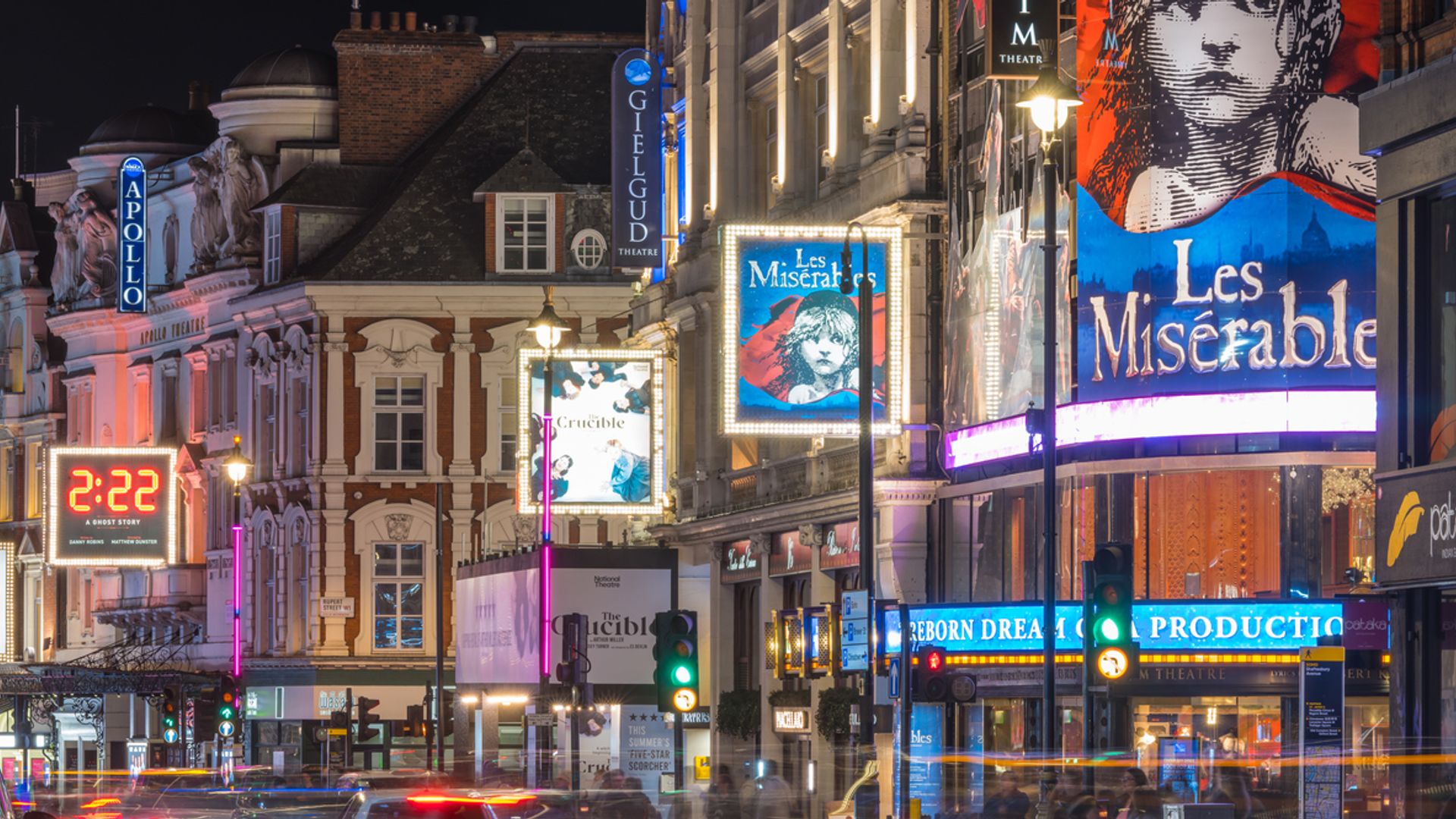
The theatre industry operates on a lie of scarcity. We are told that tickets are a rare commodity, that the front row is the gold standard, and that prices are a fixed reflection of art's value. In reality, the West End and Broadway are high-stakes gambling dens where the house always wins unless you understand the mechanics of dynamic pricing and the physics of the auditorium. If you pay full price for a seat, you aren't a patron of the arts; you are a subsidized donor to the producer’s bottom line.
Securing cheaper theatre tickets is not about luck. It is about exploiting the industry’s desperate need to fill every seat before the curtain rises. Producers would rather sell a £150 seat for £30 at 6:55 PM than let it stay empty. This creates a volatile market where the "sweet spot"—the perfect intersection of visual clarity and low cost—moves based on the day of the week, the weather, and the specific architecture of the playhouse.
The Illusion of the Premium Stalls
Producers love the "Premium" label. It allows them to slap a massive surcharge on the middle rows of the stalls, claiming these are the best seats in the house. This is a psychological trap. While these seats offer proximity, they often suffer from poor sightlines for choreography or large-scale sets. You are paying for the status of being "close," not necessarily for the best view.
The true sweet spot in almost every traditional proscenium arch theatre is the front row of the Dress Circle (or Mezzanine). From here, the geometry of the stage opens up. You see the floor patterns, the full lighting design, and the depth of the set without having to crane your neck. More importantly, these seats are often priced significantly lower than the stalls, despite providing a superior technical perspective of the production.
Why Dynamic Pricing is Your Enemy
A decade ago, a ticket price was a static figure printed in a brochure. Today, theatre owners use sophisticated software to fluctuate prices in real-time based on demand. This is the same predatory model used by airlines. If a show gets a glowing review or a celebrity joins the cast, the algorithm spikes the cost of every remaining seat within minutes.
To beat the machine, you have to understand its blind spots. The algorithm is aggressive for weekend matinees and Saturday nights because it knows tourists will pay whatever is asked. However, it often fails to account for mid-week "dead zones." Tuesday and Wednesday evenings are the graveyards of the box office. If you track prices over a 48-hour window, you will see a sharp dip for these performances roughly six hours before the show starts. This is when the "held" tickets—seats reserved for industry insiders or press—are released back into the general pool at standard or discounted rates.
The Restricted View Racket
The term "restricted view" is the industry's way of apologizing for a structural failure. In older theatres, these seats are often behind pillars or tucked so far to the side that you miss a third of the stage. But not all restrictions are created equal. This is where the savvy buyer makes their move.
Look for seats labeled "Side View" in the upper tiers. Often, the restriction is nothing more than a brass handrail or a slight angle that cuts off a corner of the stage where nothing happens. By checking fan-sourced seating databases—sites where real people upload photos from their actual seats—you can identify which "restricted" labels are actually bargains in disguise. You might find a £25 seat that offers 95% of the experience of a £120 seat just two rows over.
The Secret Language of Day Seats and Rushes
The most effective way to bypass the price hike is through the "Rush" or "Day Seat" system, but the rules have changed. The old tradition of camping outside a box office at 6:00 AM has largely migrated to apps. These digital lotteries and rush queues are designed to build engagement, but they are also a pressure valve for unsold inventory.
The Mathematics of the Lottery
Most major musicals now run daily lotteries. The odds are slim, but the payoff is immense. However, the real secret is the "Secondary Rush." When lottery winners fail to claim their tickets within the allotted 30-minute window, those seats don't just vanish. They are often dumped back into the app at the same low price without a notification. Checking an app at 1:00 PM for a 2:00 PM matinee is the highest probability move for a professional bargain hunter.
The Standing Room Strategy
If you have the physical stamina, standing room tickets are the industry's best-kept secret. In many historic London theatres, standing positions are located directly behind the premium stalls. You are effectively getting a £150 view for £10. The trade-off is a sore back, but for a three-hour show, the savings-to-pain ratio is undeniably in your favor.
The Architecture of Sound
People obsess over what they can see, but they forget what they can hear. Modern sound design is calibrated for the "center of the house." If you sit too far forward in the stalls, you are often hearing the raw, unamplified voices of the actors clashing with the sound coming from the speakers further back. It’s an acoustic mess.
The rear of the stalls, often tucked under the overhang of the circle above, is frequently discounted because of the "letterbox" view. Yet, because of how sound bounces off that overhang, these seats often have some of the crispest audio in the building. If you are seeing a play where the dialogue is more important than the spectacle, these "cheap" seats are actually an upgrade.
Exploiting the Group Booking Loophole
You don't need to be part of a coach tour to get group rates. Many regional theatres and even some West End houses offer deep discounts for groups as small as six or eight people. The industry counts on individuals being too disorganized to coordinate. By acting as a "pseudo-agent" for a small group of friends, you can bypass the retail price entirely.
More importantly, look for Previews. These are the performances before the official opening night. The show is 99% finished, the cast is at their most energetic, and the tickets are often 40% cheaper. Critics haven't weighed in yet, so the hype hasn't inflated the dynamic pricing algorithm. It is the only time you can see a blockbuster production at a fair market value.
The Danger of Secondary Markets
The rise of the "trusted" resale site has been a disaster for the average theatre-goer. These platforms allow professional scalpers to use bots to sweep up the cheapest seats and relist them at a 300% markup. Never, under any circumstances, buy from a site that doesn't have a direct partnership with the theatre.
If a show is genuinely sold out, your best bet is the Returns Queue. People get sick, trains get delayed, and tickets are returned to the box office at the last minute. Standing in the physical queue at the theatre an hour before the show bypasses the digital scalpers entirely. You are dealing with a human being at the window who wants the seat filled. This is the moment when the "house price" is at its most flexible.
The Logistics of the Last Minute
The "Sweet Spot" is not just a physical location in the room; it is a point in time. That point is exactly 25 minutes before the lights go down. At this stage, the box office manager is looking at a screen of unsold pixels that represent lost revenue. If you walk up to the window with a polite attitude and a clear budget, you can often negotiate a "manager’s discretionary" rate. It isn't advertised, and they won't do it if there's a line of people behind you, but it is a standard industry practice to fill the house at any cost.
Stop looking at the seating plan as a menu of fixed prices. Start looking at it as a map of negotiable real estate. The industry relies on your politeness and your fear of missing out. Once you stop caring about sitting in the "Premium" section, the entire theatre becomes accessible.
Buy your tickets on a Tuesday afternoon. Sit in the first row of the upper circle. Avoid the middle of the stalls like the overpriced trap it is. The view from the top is better, the sound is clearer, and the money stays in your pocket.
Search for the "Returns" sign and wait.


