Benjamin Netanyahu is a man who thrives on the precipice. As a two-week ceasefire between the United States and Iran takes effect this April, the Israeli Prime Minister has made it clear that he views this pause not as a peace pipe, but as a pit stop. His message to the home front and the world was stripped of diplomatic niceties: Israel will achieve its objectives through agreement or by resuming the fight.
This isn't just a tough-talk reflex from a leader under domestic pressure. It is a cold statement of intent regarding a regional re-engineering that has already moved far beyond the borders of Gaza. Within the first hour of the ceasefire's announcement, Netanyahu signaled that Israel's "finger is on the trigger," specifically regarding Iran's remaining enriched uranium. For the Israeli security establishment, the "War of Redemption" isn't over until the nuclear threat is physically removed from Iranian soil. Read more on a connected subject: this related article.
The Islamabad Gamble and the Nuclear Deadline
While U.S. Vice President JD Vance and Iranian Speaker Mohammad Bagher Ghalibaf prepare for high-stakes talks in Islamabad, Jerusalem is setting a hard ceiling on the diplomacy. The core of the tension lies in what happens to Iran’s stockpile. Netanyahu’s demand is absolute: the material must leave Iran.
If the negotiations in Pakistan do not produce a verifiable schedule for the removal of enriched material, the ceasefire will likely be the shortest in Middle Eastern history. Israel has spent the last six weeks in a high-intensity campaign—Operation Roaring Lion—systematically dismantling Iranian missile production and command structures. From a military perspective, the IDF believes they have the "regime of the ayatollahs" in a corner. Netanyahu’s logic is that a "battered and weaker" Iran can be forced into concessions that were unthinkable a year ago, such as the reopening of the Strait of Hormuz without lifting sanctions. Additional reporting by The Washington Post explores related perspectives on this issue.
Lebanon Is the Exception to the Rule
The most overlooked factor in this week’s diplomatic flurry is the geography of the violence. Netanyahu was explicit: the truce with Tehran does not include Hezbollah.
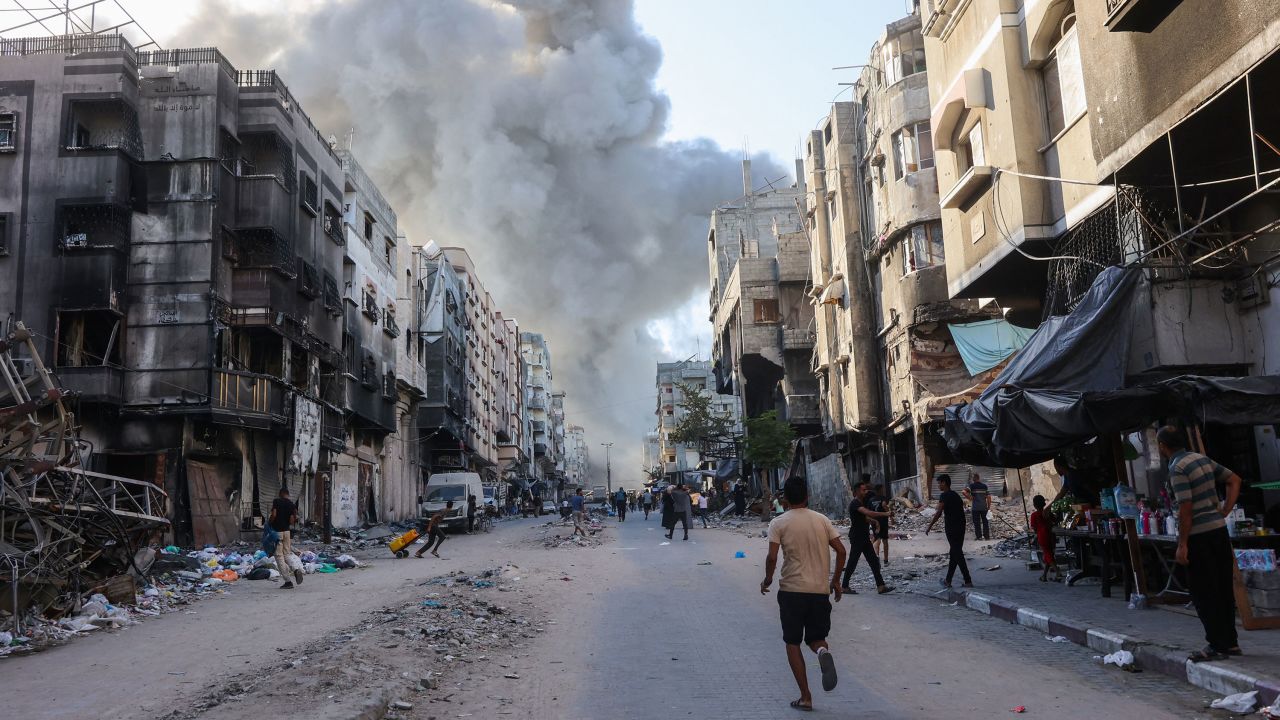
While the world watches the US-Iran ceasefire, the Israeli Air Force has actually intensified its operations in Lebanon. Just hours after the announcement, Israel conducted a massive strike—100 targets in 10 minutes—hitting central Beirut and areas previously considered off-limits. This is the "how" of the current Israeli strategy. By separating the Iranian patron from its Lebanese proxy, Israel is attempting to crush Hezbollah’s military infrastructure while Iran is diplomatically handcuffed by the temporary truce with Washington.
The New Regional Architecture
We are witnessing a "polar shift" in Middle Eastern power dynamics. Netanyahu isn't just fighting a war; he is attempting to build what he calls a "hexagonal alliance." This involves:
- Strategic Hubs: Positioning Israel as the transit point for the India–Middle East–Europe Economic Corridor (IMEC).
- Buffer Zones: The permanent occupation of the Syrian side of Mount Hermon to paralyze Iranian movement in Western Syria.
- Resource Control: Securing water and maritime energy interests up to the Litani River in Lebanon.
This vision of a new regional order depends entirely on the collapse of the "Shiite Axis." Israel is gambling that by decapitating the IRGC leadership—having already claimed the elimination of senior officials including Khamenei—it can create a power vacuum that a new, Israeli-aligned Sunni-Asian axis will fill.
The Risk of the Forever War
However, this "agreement or fighting" ultimatum carries a heavy price. The "Brutal Truth" is that while Israel has smashed Iran's missile factories, it hasn't eliminated the ideology or the grassroots presence of these groups. The opposition in Israel, led by Yair Lapid, has already branded this strategy a "strategic debacle," arguing that Netanyahu is trading long-term security for a series of high-octane tactical wins that alienate even the most sympathetic Western allies.
The internal pressure is just as volatile. The Israeli public is caught between a desire to see the "War of Redemption" finished and the exhaustion of a multi-front conflict that has redefined daily life. Netanyahu’s refusal to accept anything less than total victory—defined as a nuclear-free Iran and a disarmed Hezbollah—means that any "agreement" reached in Islamabad will be viewed in Jerusalem with extreme skepticism.
Israel has moved beyond the era of containment. The strategy now is proactive destruction. Whether the diplomats in Islamabad can find a way to meet Netanyahu’s nuclear demands is secondary to the reality on the ground: the Israeli military is already fueled and focused on the next set of coordinates. If the ink on the agreement isn't dry by the end of the two-week window, the roar of the engines over Beirut and Tehran will return.
The ceasefire isn't a transition to peace. It is a countdown.
Expect the fighting to resume the moment the diplomatic clock hits zero, unless Iran begins loading its enriched uranium onto planes headed for a third-party destination. There is no middle ground left.