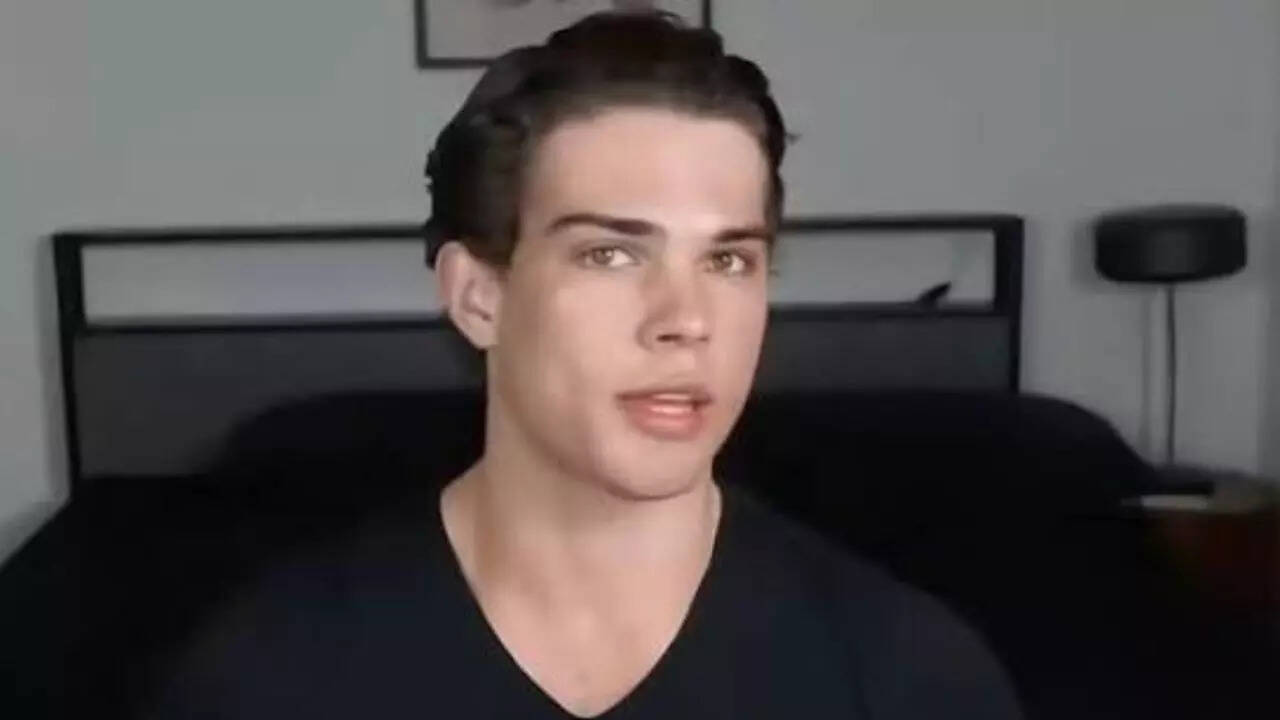
The viral footage of Kick streamer Clavicular being slapped by a woman during a live broadcast is not just another clip for the "fail" compilations. It is a stark documentation of the volatile intersection between provocative IRL (In Real Life) streaming and real-world consequences. On a surface level, the incident involved a heated verbal exchange that escalated into physical violence and subsequent police intervention. However, the event serves as a definitive case study on how the pursuit of engagement via confrontation creates a powder keg that eventually explodes.
IRL streaming has shifted from a niche hobby into a high-stakes performance art where the performer's safety is often traded for viewership metrics. Clavicular, a creator known for a confrontational style that frequently teeters on the edge of social norms, found the limit of that trade-off during this specific broadcast. The altercation began with a verbal dispute—typical for his brand of content—but shifted rapidly when a woman involved in the argument struck him across the face. The shock on the streamer's face was matched only by the immediate spike in his "viewer count" as the clip was ripped and redistributed across social media platforms within minutes.
The Anatomy of a Viral Escalation
Most viewers see the slap as the starting point. Experienced industry analysts see it as the inevitable result of a long-term content strategy. To understand how Clavicular ended up in the back of a police cruiser or dealing with law enforcement, one must look at the mechanical "how" of the stream.
Streamers like Clavicular rely on sub-alerts and text-to-speech (TTS) donations. These features allow the audience to directly influence the streamer’s environment. Often, the more "edgy" or uncomfortable the streamer makes the situation, the more the audience pays to keep the momentum going. This creates a feedback loop where the creator is financially incentivized to stay in dangerous or high-tension environments rather than de-escalating and leaving.
In this specific instance, the "why" is clear. The tension was the product. The woman involved was not a participant in the stream’s "storyline" but a member of the public who reacted to the streamer’s presence and behavior. When the slap occurred, the digital wall between the creator and the audience vanished. The police were called not because of a scripted bit, but because a physical assault had occurred in a public space, documented from multiple angles by a 24/7 rolling camera.
Law Enforcement and the Streaming Paradox
When the police arrived, the dynamic shifted from entertainment to a legal liability. This is where the "hard-hitting" reality of IRL streaming hits the pavement. Police officers are generally ill-equipped to handle the nuances of live-streaming culture. To them, they see two or more individuals in a physical dispute. They do not see "content creators" or "influencers."
The involvement of law enforcement in Clavicular’s case highlights a growing problem for platforms like Kick. While these platforms tout "freedom of speech" and a "hands-off" moderation approach compared to competitors like Twitch, they cannot moderate the local penal code.
Legal consequences for these viral moments often include:
- Disorderly conduct charges for the streamer if they are deemed to be inciting the crowd.
- Assault and battery charges for the individual who initiated physical contact.
- Public nuisance citations that can lead to permanent bans from specific business districts or cities.
The streamer is often caught in a trap of their own making. If they press charges, they are seen as "soft" by an audience that thrives on chaos. If they don't, they leave themselves open to further physical harm in future broadcasts. It is a lose-lose scenario that is becoming the standard operating procedure for the industry.
The Kick Platform Problem
Kick has positioned itself as the "wild west" of streaming. By offering higher revenue splits and more lenient terms of service, they have attracted the creators who were deemed too risky for more mainstream platforms. Clavicular is a prime example of this migration.
The issue is that "lenient terms" do not protect a creator from a fist or a jail cell. The platform benefits from the "outrage marketing" generated by these clips. Every time Clavicular or a similar creator gets into a fight, Kick’s name is mentioned in the headlines. It is free advertising fueled by the threat of physical harm to their contractors. This creates an ethical vacuum where the platform has no incentive to protect the creator because the creator's "danger" is what brings in the users.
The Psychological Toll of the Feedback Loop
We have to talk about what this does to the human being behind the camera. Clavicular is playing a character, but the slap was real. The adrenaline is real. The police handcuffs are real.
Over time, streamers in this genre suffer from a form of desensitization. They begin to view public spaces as sets and bystanders as NPCs (Non-Player Characters). This detachment is what leads to the "why" of the incident. The streamer likely did not believe the situation would turn violent because, in their mind, they were just "making content." The woman who slapped him, however, was living in the real world, where being filmed and mocked by a stranger is a provocation that warrants a physical response.
The Shift in Viewer Expectations
The audience for these streams has become bloodthirsty. A standard walk-and-talk stream no longer garners the numbers needed to sustain a career. Viewers now demand "crashes." They want to see the streamer get kicked out of a mall, get into a fight, or get arrested.
This demand forces streamers to constantly "up the ante." If Clavicular gets slapped today, he needs something more dramatic tomorrow to keep the same 10,000 people watching. This is a terminal trajectory. There is only so much "edge" one can provide before the consequences become life-altering or fatal.
Moving Toward a Breaking Point
The Clavicular incident is a warning shot. As more creators flock to IRL streaming for the quick fame and high-octane revenue, the frequency of these violent encounters will increase. We are seeing a shift where "content" is no longer about creativity, but about survival and provocation.
Municipalities are already beginning to take notice. In cities like Tokyo and Los Angeles, there have been discussions about "streamer bans" in certain high-traffic areas due to the disruption caused by these creators and their followers. The "Clavicular slap" will be used as evidence in future city council meetings to justify why cameras and microphones should be restricted in public squares.
The industry is at a crossroads. Either platforms like Kick will implement hard safety boundaries—not just for the sake of the public, but for the creators themselves—or the legal system will do it for them. The latter will be much more painful for the "creator economy" as a whole.
Concrete Steps for Industry Stability
If the IRL streaming sector wants to survive without being regulated into oblivion, several changes are non-negotiable.
First, the incentivization of conflict must stop. Platforms need to reconsider how they handle clips that involve physical violence. Currently, these clips are allowed to circulate because they drive traffic. If a streamer’s revenue was docked or suspended the moment a physical altercation occurred—regardless of who started it—the behavior would change overnight.
Second, there needs to be a professionalization of the craft. Creators need to understand the laws of the jurisdictions they are in. Ignorance of local "harassment" or "trespassing" laws is not a defense when the police arrive.
Third, the audience must be de-coupled from the immediate action. The "TTS" (Text-to-Speech) function, while lucrative, is a primary driver of the "incitement" that leads to these slaps and arrests. Removing the ability for a random person on the internet to shout insults through a streamer's backpack in a crowded restaurant would eliminate 90% of the friction that causes these viral "moments."
The reality of the Clavicular situation is that nobody won. The woman is potentially facing charges, the streamer was assaulted and detained, and the public's perception of "gamers" and "influencers" has taken another hit. The only entity that gained anything was the platform, which saw a temporary spike in its metrics.
Creators who want to avoid the "Clavicular path" need to start valuing their physical safety over their "sub count." The internet has a short memory for viral clips, but a criminal record and physical trauma are permanent. If the goal is a long-term career, building a brand on the foundation of being a "public nuisance" is building a house on a fault line. It is not a matter of if it will collapse, but when.
Focus your content on actual value—storytelling, skill, or genuine humor—rather than the cheap high of a public screaming match.