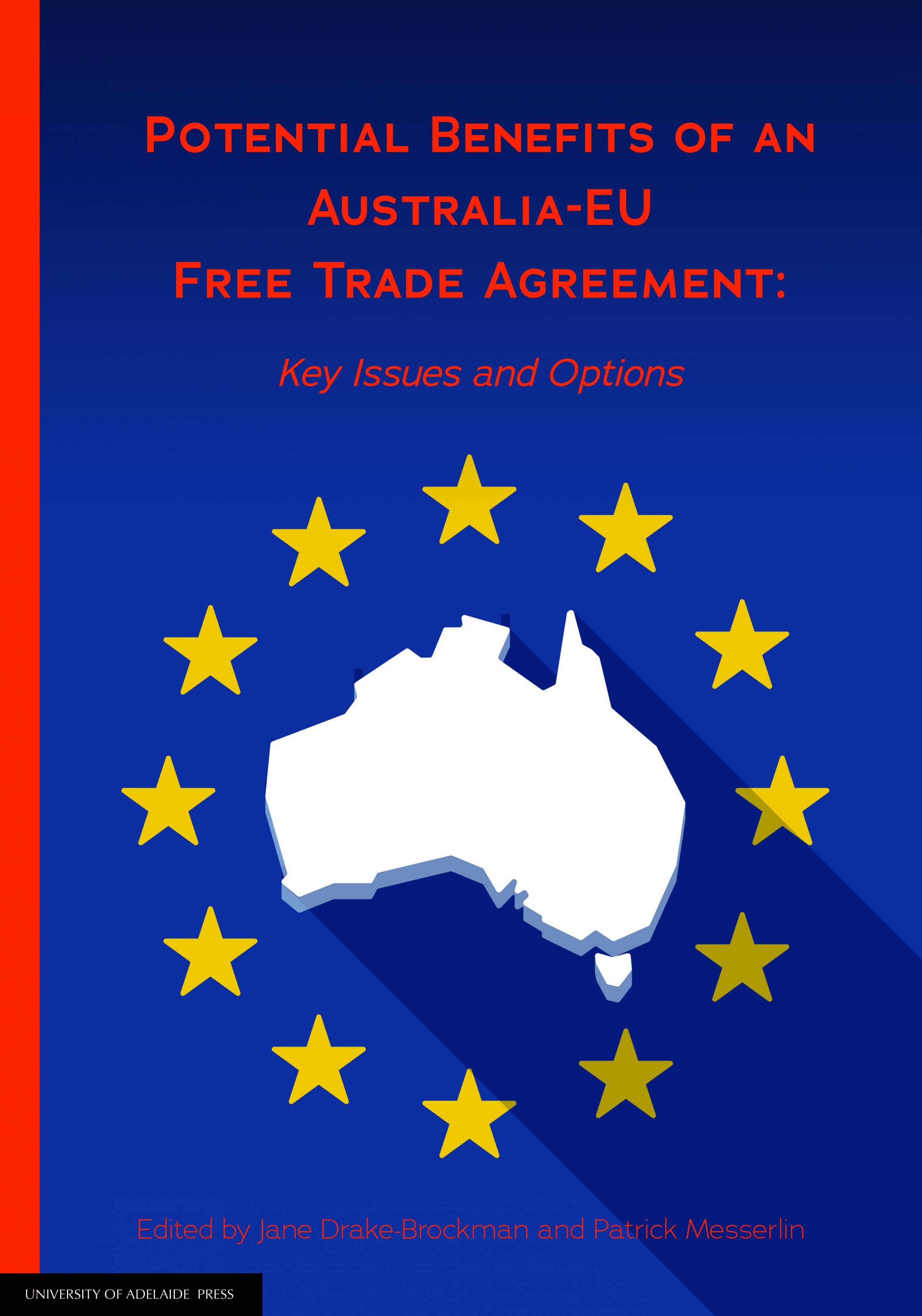
After eight years of posturing, walking away from tables, and bickering over the word "prosecco," Australia and the European Union finally stopped the clock. Prime Minister Anthony Albanese and European Commission President Ursula von der Leyen just signed a landmark free trade agreement in Canberra. It's about time.
This isn't just about cheaper cheese or easier exports for Aussie farmers. It’s a massive strategic pivot. We’re living in a world where trade is being used as a weapon, and frankly, Australia was looking a bit too exposed. By locking in a deal with a $21 trillion economy, Australia isn't just diversifying; it’s building a fortress against the volatility coming out of Washington and Beijing.
The timing of Von der Leyen’s visit wasn't accidental. With global supply chains under pressure and trade wars becoming the new normal, this deal represents a "win-win" that actually feels like one.
The meat of the matter
For years, the sticking point was literally meat. Australian cattle and sheep farmers wanted in, and European farmers—terrified of being undercut—wanted them out. The compromise reached this week shows exactly how much pressure both sides were under to get this done.
The EU finally budged on quotas. Australia secured a preferential quota of 30,600 tonnes for red meat. It’s not the 50,000 tonnes the industry was shouting for, but it’s a massive leap from where we were in 2023 when talks completely collapsed.
- Grass-fed beef: 16,830 tonnes will enter the EU duty-free.
- Grain-fed/Conventional beef: The rest of the quota carries a reduced 7.5% tariff.
- Sheep meat: A 25,000-tonne duty-free cap, though 27% of that must be frozen.
It’s a classic trade-off. We didn't get everything, but we got enough to make the EU our second-largest trading partner if things go according to plan.
Giving up the bubbles to win the market
Let’s talk about the "prosecco problem." For a long time, this was the hill Australian producers were willing to die on. The EU is obsessed with Geographical Indications (GIs). They believe if it’s not from a specific region in Italy or France, you can't use the name.
In this deal, Australia blinked.
Aussie prosecco producers have 10 years to rebrand. After that, the name belongs to Italy. It’s a bitter pill for winemakers in the King Valley, but the upside is the total removal of tariffs on almost all other Australian agricultural exports. Wine, nuts, fruit, and honey will soon flow into Europe without the heavy tax drag. When you weigh the loss of a name against the removal of $37 million in annual wine tariffs alone, the math starts to make sense.
The critical minerals play
If meat and wine are the traditional heart of the deal, critical minerals are the future. Europe is desperate to break its reliance on China for the stuff that builds electric vehicles and wind turbines. Australia has exactly what they need: lithium, cobalt, and rare earths.
The agreement scraps tariffs on these minerals and bans export taxes. In return, Europe provides the investment and processing tech Australia needs to stop being just a "dig and ship" economy. This is the "security" part of the trade deal that people often overlook. It’s a handshake that says, "We’ll keep your lights on if you keep our economy growing."
Breaking the China and US dependency
You can't look at this deal without looking at the map. Australia has spent the last few years getting bullied by Chinese trade sanctions and watching the U.S. lean further into protectionist tariffs.
The EU offers a third way. It’s a high-income market of 450 million people who generally share our values. This deal removes 98% of tariffs on Australian exports. It’s a hedge. If one market closes, we now have a massive, stable door wide open in Europe.
Von der Leyen was blunt about it during her press conference. She talked about "collective resilience" and "trusted partners." That’s diplomatic code for: "We’re tired of being pushed around by superpowers who use trade as leverage."
What changes for you on the street
Most people don't care about "tariff-rate quotas," but they do care about the price of a grocery shop.
Because Australia is dropping its own tariffs on European goods, expect to see the price of European cars, spirits, chocolates, and pastas dip. The luxury car tax threshold for electric vehicles is also being pushed to $120,000. If you’ve been eyeing a high-end European EV, it just became a lot more affordable.
Where do we go from here
The pens are down, but the work isn't over. The deal still needs to be ratified by the European Parliament and the Australian government. Expect some noise from the Greens and human rights groups about environmental standards and labor laws, but with the momentum behind this visit, it’s unlikely to stall now.
If you’re a business owner, now's the time to look at your supply chain.
- Audit your export potential: If you’re in agrifood or tech services, the EU market just got a lot cheaper to enter.
- Review your branding: If your product uses a name that sounds European (looking at you, feta and parmesan makers), start your 10-year rebranding plan now.
- Watch the EV space: The changes to the luxury car tax mean the mix of vehicles hitting Australian shores is about to shift toward European models.
This deal is a long-overdue correction. We’ve spent too long putting all our eggs in one or two baskets. The "European Pivot" is finally real, and it’s going to change the way Australia does business for the next fifty years.