In the high-ceilinged corridors of Tehran, the air carries a specific kind of weight. It is the weight of history, flavored with the sharp scent of black tea and the unspoken pressure of a thousand years of Persian sovereignty. When Abbas Araghchi, Iran's Foreign Minister, steps to a podium, he isn't just a man delivering a press release. He is a conduit for a national identity that views itself as an island of defiance in a sea of Western-imposed architecture.
The headlines usually scream about "negotiations" or the lack thereof. They treat diplomacy like a stock market ticker—up one day, down the next, fueled by rumors and back-channel whispers. But to understand the current freeze between Tehran, Washington, and Tel Aviv, you have to look past the ticker. You have to look at the "No."
The Architecture of Defiance
To the Western eye, a refusal to talk looks like a missed opportunity or a tactical error. In the intricate logic of the Iranian revolutionary establishment, however, a refusal to talk is a fortress. Araghchi’s recent declarations—stating clearly that there are no negotiations underway regarding the regional escalations—are not merely a pause in dialogue. They are a reaffirmation of a core doctrine: resistance is the only currency that retains its value when the world tries to devalue your influence.
Imagine a chess player who, instead of moving a pawn, simply stares at his opponent. He knows his opponent is checking his watch, glancing at the exit, and worrying about the cost of the hall rental. By not moving, the player exerts a different kind of power. This is the "resistance" Araghchi speaks of. It is the belief that "American-Israeli aggression" isn't a problem to be solved with a signature on a piece of paper, but a reality to be endured until the cost of that aggression becomes too high for the aggressors to pay.
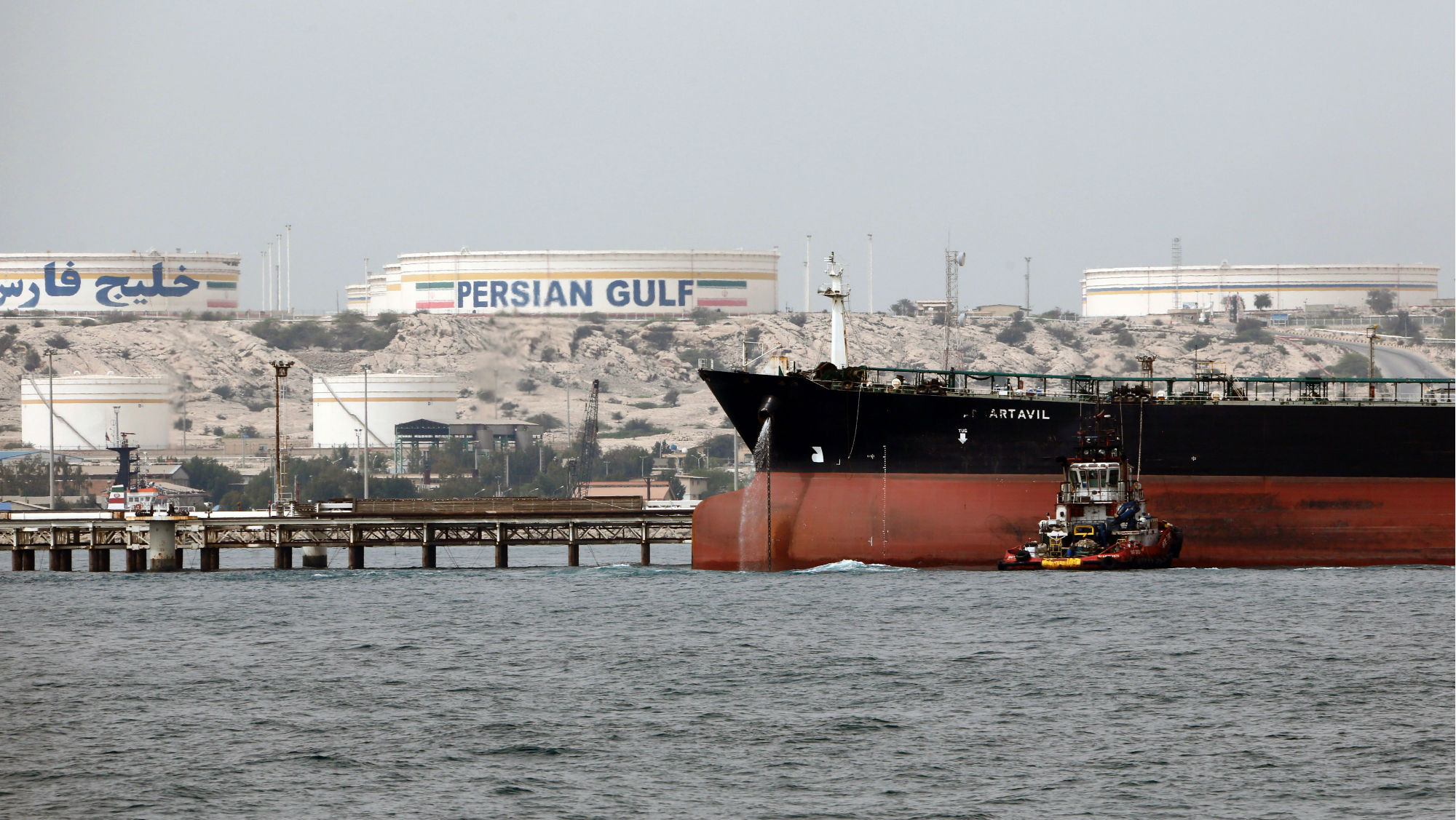
The stakes are not abstract. They are measured in the vibration of the ground in Beirut, the hum of centrifuges in Natanz, and the price of oil in the Strait of Hormuz. When Araghchi says there is no room for talks, he is signaling to his domestic base and his regional allies—the "Axis of Resistance"—that the armor has no chinks. To negotiate under the shadow of a threat is, in their eyes, to surrender before the first word is even spoken.
The Ghost of 2015
To understand why the door is currently bolted shut, we must look at the ghost that haunts every room in the Iranian Foreign Ministry. It is the ghost of the Joint Comprehensive Plan of Action (JCPOA).
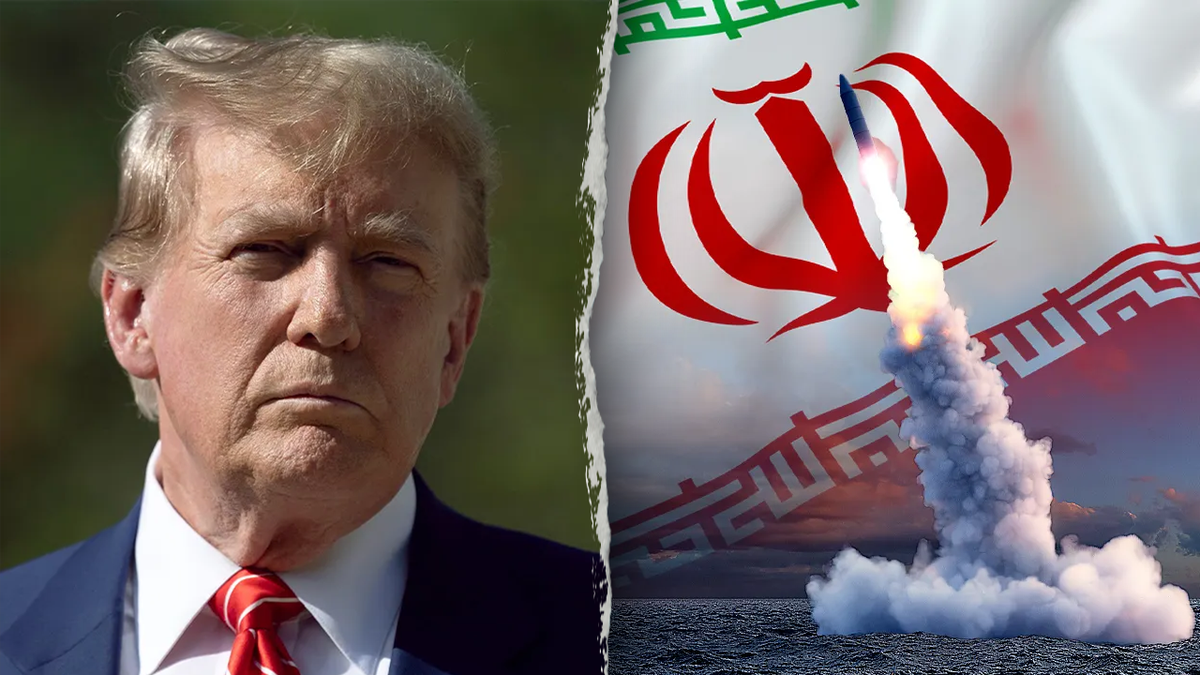
Years ago, there was a moment of synchronized breathing. Diplomats toasted with water in Vienna. There was a sense that the world had found a way to bridge a chasm that had existed since 1979. But for the Iranian leadership, the subsequent American withdrawal from that deal under the Trump administration wasn't just a political shift; it was a betrayal that redefined their entire approach to international law.
Trust is a fragile thing. In the Middle East, it is often a mirage. Having seen a landmark deal dismantled with a single stroke of a pen in Washington, the current administration in Tehran views "negotiation" as a trap. Why sit at a table when the table can be flipped over at any moment by a change in the American electoral wind?
This isn't just about policy. It's about the deep-seated psychological scar of being "the one who trusted and got burned." Araghchi, a veteran of those original talks, knows this better than anyone. He isn't a firebrand by nature; he is a career diplomat who has seen the inside of the machine and concluded that the machine is broken.
The Human Cost of the Stalemate
Away from the mahogany tables and the television cameras, there is the reality of the street. In Tehran’s Grand Bazaar, the conversation isn't about "geopolitical leverage." It’s about the price of imported medicine and the plummeting value of the rial.
Consider a hypothetical shopkeeper named Reza. Reza remembers a time when the talk of negotiations brought a glimmer of hope to his business. He thought the sanctions might lift, that he could see his son graduate from a university abroad, that the crushing weight of isolation might ease. Today, Reza listens to Araghchi’s words on a transistor radio and doesn't feel hope. He feels a grim, familiar resolve.
"Resistance" sounds noble in a speech. On the street, it sounds like the tightening of a belt.
This is the invisible tension that Araghchi must manage. He has to project absolute strength to the West while acknowledging—or at least neutralizing—the exhaustion of a population that has lived under the "maximum pressure" of sanctions for years. The narrative of "American-Israeli aggression" serves as a crucial emotional glue. If the hardship can be framed as a defensive war against an external predator, the hunger is easier to bear. It transforms a failing economy into a sacrificial altar.
The Regional Chessboard
The "No" uttered in Tehran echoes across borders. It is heard in the bunkers of Hezbollah in Lebanon and the offices of the Houthi leadership in Yemen. For these groups, Iran’s refusal to negotiate is a green light. It tells them that the patron is not looking for an exit ramp.
The region is currently a tinderbox of calibrated escalations. Israel views Iran’s "resistance" as a direct existential threat, a slow-motion tightening of a noose. Iran views Israel’s military actions as the desperate flailing of a colonial outpost. Between these two perceptions lies a gap that words can no longer bridge.
Araghchi’s rhetoric suggests that Iran has calculated the risks of a wider war and decided that the risk of a "bad peace" is worse. They are betting that the United States is too weary of Middle Eastern quagmires to truly commit to a regime-changing conflict, and that Israel is too stretched across multiple fronts to deliver a decisive blow.
It is a high-stakes gamble played with the lives of millions.
The Language of the Unspoken
What is most fascinating about Araghchi’s stance is what he doesn't say. In diplomacy, a "no" is rarely eternal. It is often a "not now" or a "not at this price."
By asserting that there are no negotiations, Iran is actually attempting to reset the terms of any future negotiation. They are trying to scrub the slate clean of previous concessions. They want the world to know that the Iran of 2026 is not the Iran of 2015. They are more integrated with Eastern powers, more resilient to Western financial systems, and more entrenched in their regional "forward defense" strategy.
The message to Washington is simple: If you want to talk, you must first acknowledge that your previous tools of pressure have failed.
But there is a danger in this silence. When communication channels dry up, miscalculations flourish. A drone that veers off course, a commander who loses his nerve, a misinterpreted radar blip—these are the things that start wars when diplomats aren't talking.
The Long Game
We often mistake the Middle East for a place of sudden explosions. In reality, it is a place of long, slow burns. The current impasse is a chapter in a book that began decades ago and will likely continue long after the current actors have left the stage.
Araghchi’s refusal to negotiate is a performance of sovereignty. It is an assertion that Iran will not be "managed" or "contained" by Western dictates. It is a prideful, dangerous, and deeply calculated position that prioritizes the integrity of the revolutionary ideology over the immediate comforts of global integration.
The world watches the podium, waiting for a crack in the resolve, a hint of a compromise, a softening of the eyes. But for now, there is only the stony face of the diplomat and the echoing refrain of resistance.
The black tea in the Foreign Ministry grows cold, untouched, as the participants wait for the other side to blink. In this silence, the only thing that grows is the uncertainty of what happens when the staring contest finally ends.
The sun sets over the Alborz mountains, casting long, jagged shadows across a city that has learned to thrive on the edge of a knife. The people go about their lives, weaving through traffic, haggling over bread, and glancing occasionally at the news. They are the ones who live within the "No." They are the ones who carry the weight of the resistance on their shoulders, waiting to see if the fortress their leaders have built will protect them or become their tomb.
The silence continues. The stance remains unyielding. The story of the Middle East remains, as it always has been, a chronicle of people who would rather break than bend.
The question is no longer when they will talk, but if there will be anything left to talk about when they finally do.