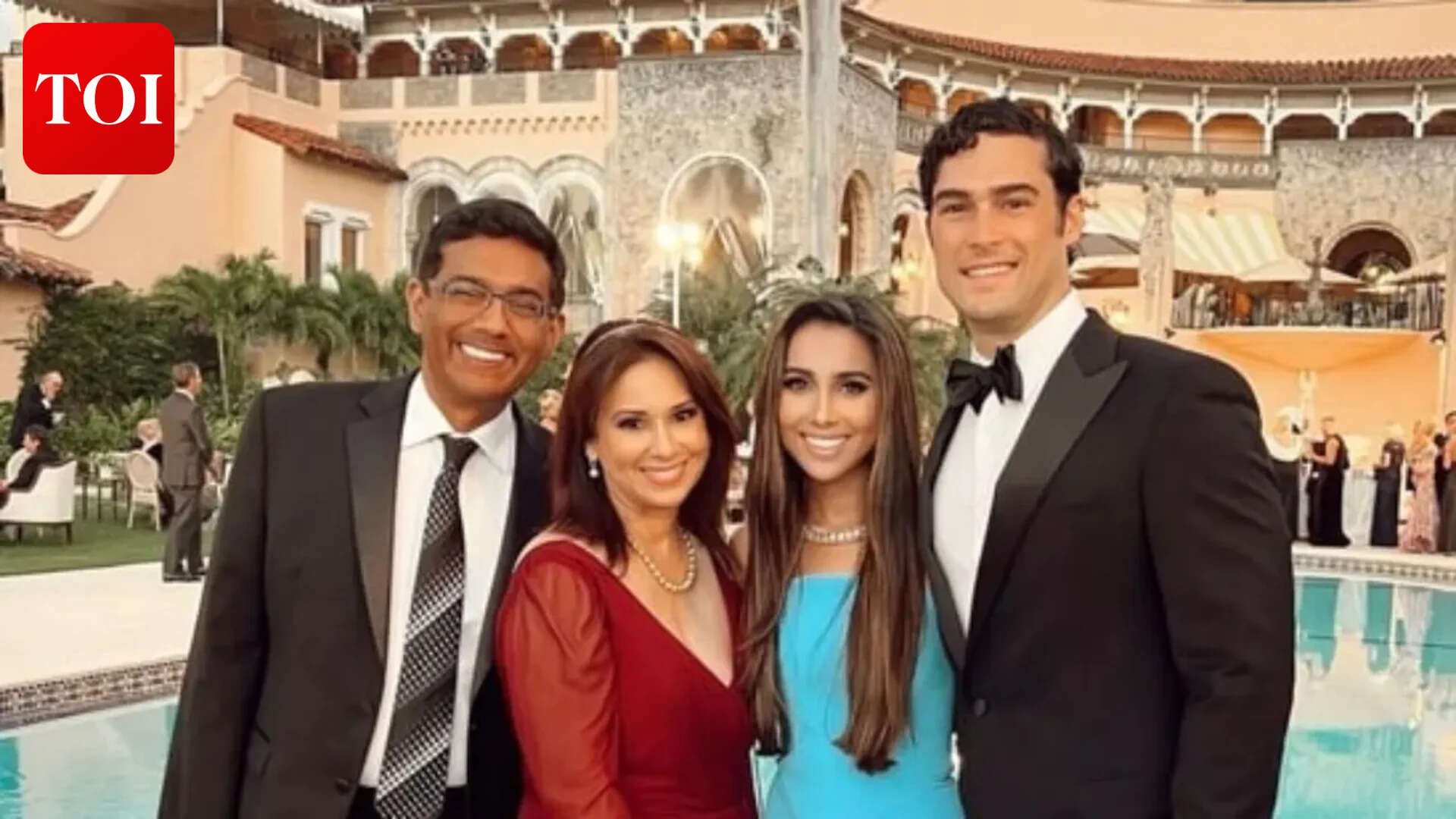
Political communication operates on a principle of risk-reward ratios where the margin for error scales inversely with the specificity of the demographic target. Representative Brandon Gill’s recent remarks regarding Indian employees in the 7-Eleven franchise system provide a clinical case study in how a failure to account for socioeconomic stereotypes triggers a cascading reputational crisis. The incident demonstrates the breakdown of a common political maneuver: the use of personal demographic proximity—specifically his marriage to an Indian-American woman—as a defensive barrier against accusations of bias.
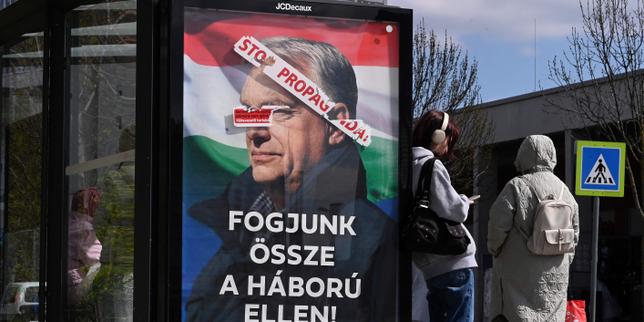
This shielding strategy failed because it ignored the underlying structural dynamics of the modern information economy, where intent is secondary to the rapid categorization of speech as either inclusive or exclusionary. The following analysis deconstructs the incident through the lens of cognitive biases, the economics of franchise demographics, and the failure of identity-based damage control. Recently making news lately: The Velvet Rust of Budapest.
The Taxonomy of the Gaffe: Stereotype Reinforcement vs. Descriptive Accuracy
The friction began with a social media post where Gill referenced Indian workers in the context of 7-Eleven convenience stores. While proponents might argue the statement was an observation of a visible demographic trend, it triggered a backlash because it functioned as a "reductive stereotype." In political theory, reductive stereotyping occurs when a complex group is condensed into a single, often low-status or service-oriented occupational category.
The logic of the backlash follows three specific phases: Additional information regarding the matter are detailed by TIME.
- Selection Bias Identification: Critics identified that out of all possible descriptors for the Indian diaspora—an ethnic group with the highest median household income in the United States—the representative chose a descriptor tied to entry-level retail labor.
- Harm Assessment: The remark was categorized as "othering." By highlighting a specific ethnicity in a service role, the rhetoric reinforces a mental model that subordinates that group to a specific economic tier.
- Amplification via Digital Velocity: Social media algorithms prioritize high-arousal emotions like outrage. Once the post was flagged, the platform mechanics ensured it reached not just political opponents, but the specific demographic groups targeted, creating an immediate feedback loop of condemnation.
The Economics of the Convenience Store Sector
To understand why the remark resonated negatively, one must analyze the actual business landscape of the franchise industry. The "7-Eleven" trope is not a random occurrence but a result of historical immigration patterns and capital flows.
The South Asian dominance in the convenience store and hospitality sectors during the late 20th century was driven by the E-2 Investor Visa program and internal community lending networks. These networks provided the necessary liquidity for new immigrants to purchase franchises. However, the contemporary Indian-American demographic has undergone a massive shift. The "Three Pillars of Indian-American Economic Distribution" now look like this:
- The Professional-Technical Tier: High concentration in software engineering, medicine, and data science. This group views 7-Eleven stereotypes as a legacy narrative that ignores their current role in high-value sectors.
- The Executive Tier: Presence in C-suite positions at Fortune 500 companies (e.g., Google, Microsoft, Starbucks). To this group, Gill’s remarks appear out of touch with the reality of corporate power structures.
- The Entrepreneurial-Service Tier: The group Gill referenced. While historically significant, this segment is shrinking as a percentage of the total diaspora as second and third-generation individuals move into white-collar professions.
By invoking the third pillar exclusively, Gill committed a "representational error," applying an outdated or narrow economic lens to a diverse and upwardly mobile population.
The Logic of the Identity Shield: Why Proximity Does Not Equal Immunity
The most significant strategic failure in this episode was the subsequent defense. When faced with criticism, Gill’s supporters and his own communications apparatus frequently cited his marriage to an Indian woman as proof that the remarks could not be biased. In political science, this is known as the "Proximity Defense."
The Proximity Defense is logically flawed for several reasons:
- The Fallacy of Individual vs. Systemic: Having a personal relationship with a member of a group does not prevent an individual from employing rhetoric that harms the group's collective standing. Logic dictates that affection for one person is not a substitute for a nuanced understanding of a broader demographic.
- The Shield as an Aggravant: To many critics, using a spouse as a political shield is viewed as a cynical deployment of identity. It shifts the focus from the content of the statement to the validity of the person's personal life, which often increases the intensity of the backlash.
- The Burden of Expectation: When a public official is married into a community, that community often holds them to a higher standard of cultural competency. The expectation is that the official should have a more granular understanding of the group's sensitivities, not less.
The Feedback Loop of Online Backlash
The "Indian 7-Eleven" remark followed a predictable trajectory within the digital ecosystem. We can quantify this through a "Volatility Index" of political speech:
- The Trigger: The post is published.
- The Extraction: An influential account or news outlet extracts the specific phrase, removing context to maximize the "outrage coefficient."
- The Comparison: Users compare the remark to historical instances of similar rhetoric (e.g., Joe Biden’s 2006 remark about 7-Elevens). This comparison serves to neutralize partisan defenses, as it frames the issue as a recurring cultural trope rather than a localized partisan error.
- The Pivot: The conversation moves from the remark itself to the "non-apology" or the "defensive posture." This is where the most significant reputational damage occurs.
Managing the Residual Risk
For a political figure, the cost of such a remark is not just immediate bad press; it is the long-term "narrative debt" incurred. This debt manifests in three ways:
- Donor Friction: High-net-worth Indian-American donors, who are increasingly influential in both parties, may view the candidate as a liability.
- Coalition Erosion: In a competitive electoral environment, small shifts in minority voter sentiment can determine outcomes. Stereotypical remarks create an opening for opponents to peel away moderate voters.
- Search Engine Persistence: The incident becomes a permanent fixture in the candidate's digital shadow. Any future outreach to the South Asian community will be viewed through the lens of this specific failure.
Strategic Correction and Narrative Re-Alignment
To mitigate the damage, the focus must shift from "defending the person" to "clarifying the perspective." A standard retraction is often insufficient because it acknowledges the error without addressing the underlying ignorance that caused it.
The necessary strategic play involves a "Complexification Strategy." The official must pivot the conversation toward the actual complexities of the Indian-American experience, moving beyond the 7-Eleven trope into discussions of trade, immigration policy, or technological partnership. By demonstrating a command of high-level policy issues affecting the diaspora, the official can gradually overwrite the simplistic stereotype with a more sophisticated engagement model.
The ultimate failure of the Gill incident was not just the remark itself, but the reliance on a personal shield to justify a professional lapse. In the modern political arena, identity is not a "get out of jail free" card; it is a platform that demands higher levels of analytical rigor and cultural precision. The path forward requires abandoning the proximity defense in favor of a data-driven, multi-dimensional understanding of the constituencies being represented.