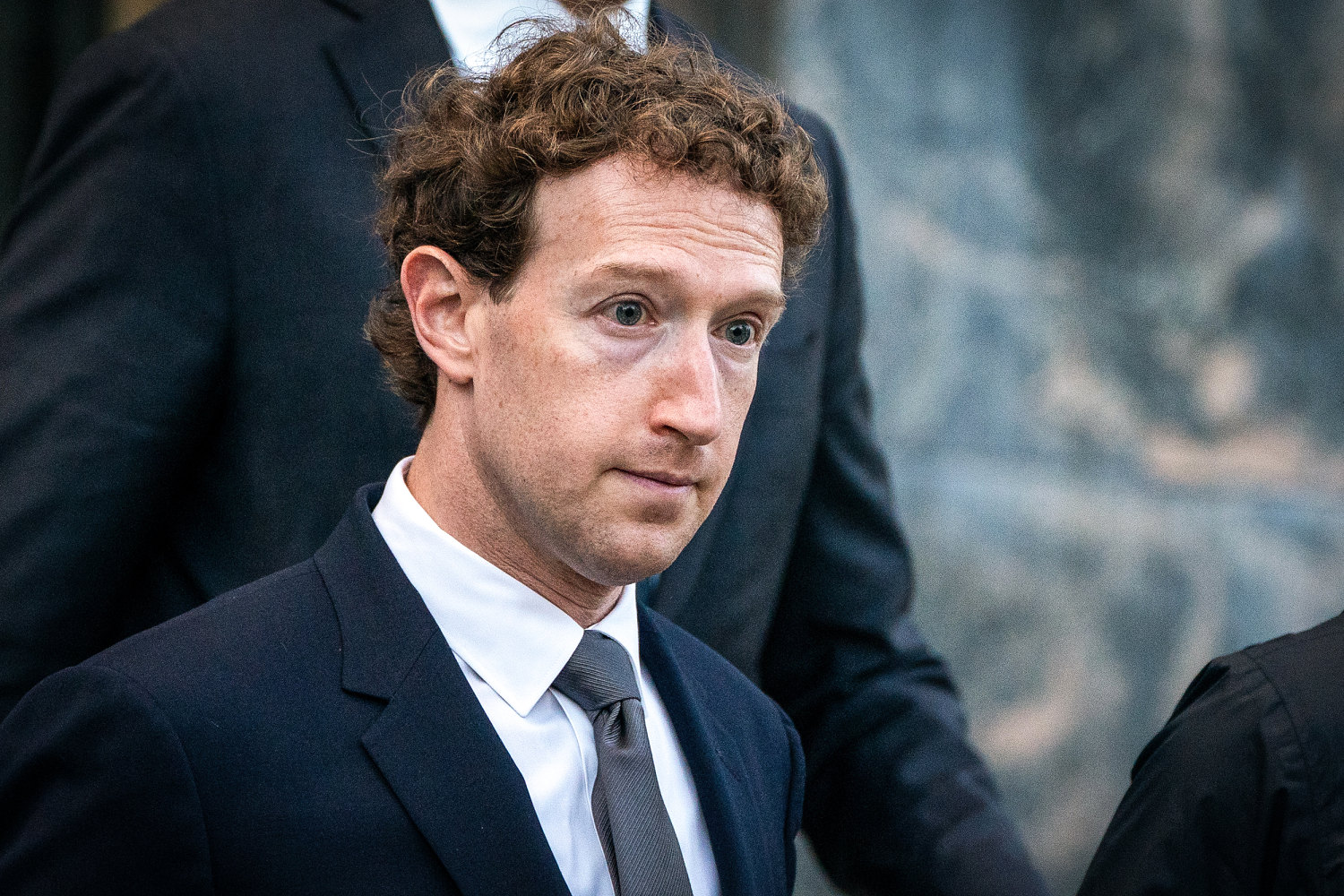
The courtroom in Oakland did not smell like the future. It smelled of floor wax, old paper, and the heavy, pressurized silence that precedes a tectonic shift in history. On one side of the aisle sat the architects of the modern world—legal teams representing Meta and Alphabet, the trillion-dollar titans behind Instagram and YouTube. On the other side were the parents. They weren't there for a patent dispute or a copyright claim. They were there because their children were gone, and they believed the code had a hand in the killing.
For years, we treated social media like a neutral utility, a digital town square where we simply chose what to see. We were wrong. This landmark verdict has finally pulled back the curtain on a devastating reality: the platforms aren't just mirrors reflecting our interests. They are active participants. A jury has found that Meta and YouTube were negligent, ruling that their design choices—the very "hooks" that keep us scrolling—contributed to a mental health crisis that has claimed far too many young lives.
The Ghost in the Machine
Consider a teenager we will call Maya. Maya is fifteen. She is bright, slightly anxious about her chemistry final, and spends her evenings tucked under a duvet with the glow of a smartphone illuminating her face. She searches for a healthy recipe. The algorithm notes her interest in "wellness."
But the machine doesn't have a moral compass. It only has a goal: retention.
Within three days, the wellness tips in Maya's feed morph into "thinspo" content. By the second week, the "Recommended for You" section is a relentless parade of calorie-counting hacks and videos glamorizing extreme weight loss. The algorithm isn't "helping" Maya; it is feeding a burgeoning disorder because that disorder generates more engagement than a healthy meal plan ever could. Engagement equals profit. In this cold mathematical equation, Maya’s dopamine response is the currency.
The jury saw this cycle not as an accidental byproduct of technology, but as a deliberate design flaw. The court looked at features like infinite scroll, disappearing "Stories" that trigger a fear of missing out, and push notifications that hit the brain like a slot machine lever. These aren't bugs. They are the engine.
The Architecture of Addiction
During the trial, the defense argued that they provide the "pipes" and aren't responsible for the "water" flowing through them. It’s a classic Silicon Valley shield. They claimed Section 230—the decades-old law protecting internet companies from liability for user-generated content—should act as a total immunity cloak.
The jury didn't buy it.
The distinction they made is the most significant development in tech law in thirty years. This wasn't about the content of the posts; it was about the product design. If a car manufacturer builds a steering wheel that locks up at sixty miles per hour, they are liable for the crash. It doesn't matter if the driver was headed to the grocery store or a liquor shop. The product itself was unsafe.
By focusing on negligence, the court bypassed the usual arguments about free speech. They looked at the internal documents—the "tobacco papers" of our era—which showed that engineers and executives knew their platforms were causing harm to teenage girls and chose to prioritize growth over safety. The "water" might be user-generated, but the "pipes" were rigged to steer children toward the deepest, darkest parts of the reservoir.
The Human Cost of a Billion Clicks
The data is a jagged mountain range of misery. Since the mid-2010s, coincident with the rise of the front-facing camera and the algorithmic feed, rates of depression, self-harm, and suicide among adolescents have spiked in a way that defies any other explanation.
But statistics are easy to ignore. Individual faces are not.
One mother testified about her son, a boy who loved baseball and played the cello. He fell into a rabbit hole of "blackpill" content—a nihilistic corner of the internet that convinces young men they are genetically destined to be alone and unloved. The algorithm saw his loneliness and, instead of offering a hand up, it pushed him further into the dark because angry, isolated people stay online longer.
He didn't make it to his eighteenth birthday.
When the verdict was read, that mother sat in the front row. The courtroom didn't erupt in cheers. There was only a long, collective exhale. For the first time, a legal body had acknowledged that these platforms are not passive. They are predatory. They are designed to exploit the neurobiology of a developing brain that is physically incapable of resisting the pull.
The End of the Wild West
This ruling changes the math for every tech giant in the valley. Until now, the cost of doing business was occasionally paying a fine to the FTC—a rounding error on their quarterly earnings reports. Now, the cost is a flood of litigation.
Negligence is a high bar to clear. It requires proving that the companies had a duty of care, they breached that duty, and that breach caused direct harm. By finding Meta and YouTube negligent, the jury has set a precedent that will likely trigger thousands of similar lawsuits across the country.
The defense teams looked shaken. They know the era of "Move Fast and Break Things" is over, primarily because the things they broke were people.
We are seeing the birth of a new standard: Safety by Design. It means that before a new feature is rolled out to four billion people, it must be vetted for its psychological impact. It means the "Like" count, the "Share" button, and the autoplay function are no longer untouchable icons of innovation. They are potential liabilities.
A Fragile Kind of Hope
Does this mean the internet becomes a safe haven tomorrow? No. The appeals will be long, expensive, and vicious. The tech giants will fight this with every resource at their disposal, arguing that this verdict stifles innovation and threatens the very fabric of the free web.
But something fundamental has shifted. The air in the room is different.
We have spent fifteen years in a massive, unregulated social experiment. We gave our children devices that contained the sum of human knowledge, but we forgot that those devices also contained a direct line to every insecurity, every predator, and every toxic ideology ever conceived—curated by a machine that only cares if you look away.
The parents leaving the courthouse that day weren't celebrating a windfall of money. Most of them would give every cent they have to go back to a Tuesday afternoon ten years ago, to a house where the wifi was off and their child was still there, sitting at the kitchen table, present and whole.
They weren't looking for a payout. They were looking for an admission.
As the sun set over the Bay Area, casting long shadows across the headquarters of the companies that redefined how we live and breathe, the silence was finally broken. The giants are no longer invisible. The code is no longer a secret. The machine has been named, and for the first time in the history of the digital age, it is being held to account for the hearts it has broken.
The glow of the screen is still there, but now, finally, we are starting to see the people behind it.
Would you like me to analyze the specific design features mentioned in the trial that were found to be most harmful to adolescent brain development?