For years, a persistent shadow has hung over the prescription pads of psychiatrists treating Attention-Deficit/Hyperactivity Disorder. The fear was simple and terrifying. By giving stimulants to patients with ADHD, doctors might be inadvertently pushing them toward a psychotic break. It was a logical, if cautious, assumption based on how these drugs interact with dopamine, the same neurotransmitter linked to schizophrenia. However, new massive-scale longitudinal data has flipped this narrative on its head. Far from being a trigger, consistent ADHD medication use appears to significantly lower the risk of subsequent psychotic episodes.
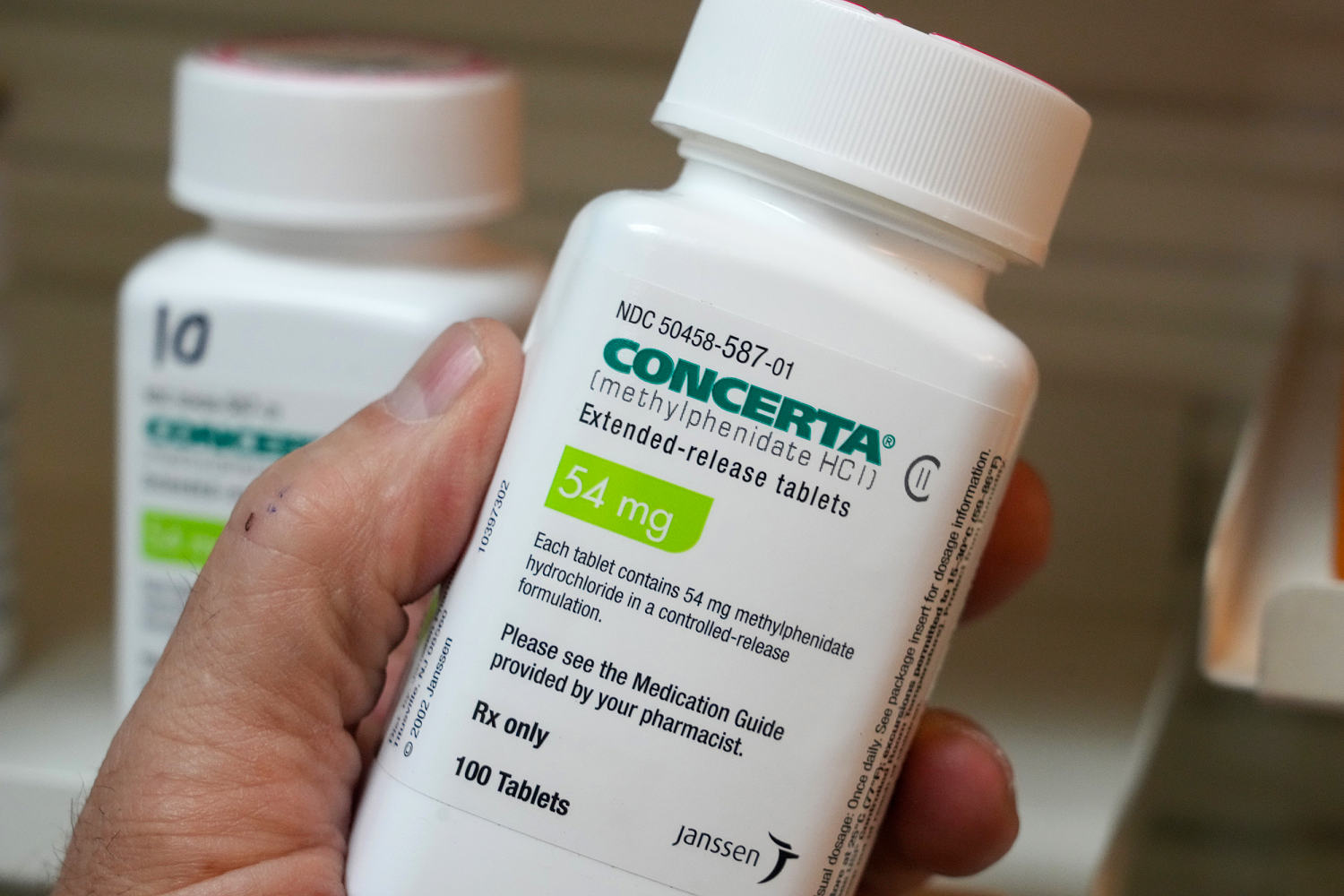
This isn't a minor statistical fluke. When we look at the trajectory of untreated ADHD, we see a path littered with secondary mental health crises. The latest findings suggest that the real danger doesn't lie in the bottle of methylphenidate or amphetamine salts. The danger lies in the neurological chaos of an unmanaged brain. By stabilizing the prefrontal cortex early, clinicians are not just helping kids focus on math. They are potentially insulating them against a total detachment from reality later in life. In similar news, take a look at: The Unlikely Truce Inside the Halls of Public Health.
The Dopamine Paradox
To understand why this matters, you have to look at the brain's internal plumbing. Standard medical theory long held that too much dopamine in certain pathways caused hallucinations and delusions. Since ADHD medications increase dopamine availability, the "kindling" theory suggested that long-term use would eventually fry the circuits.
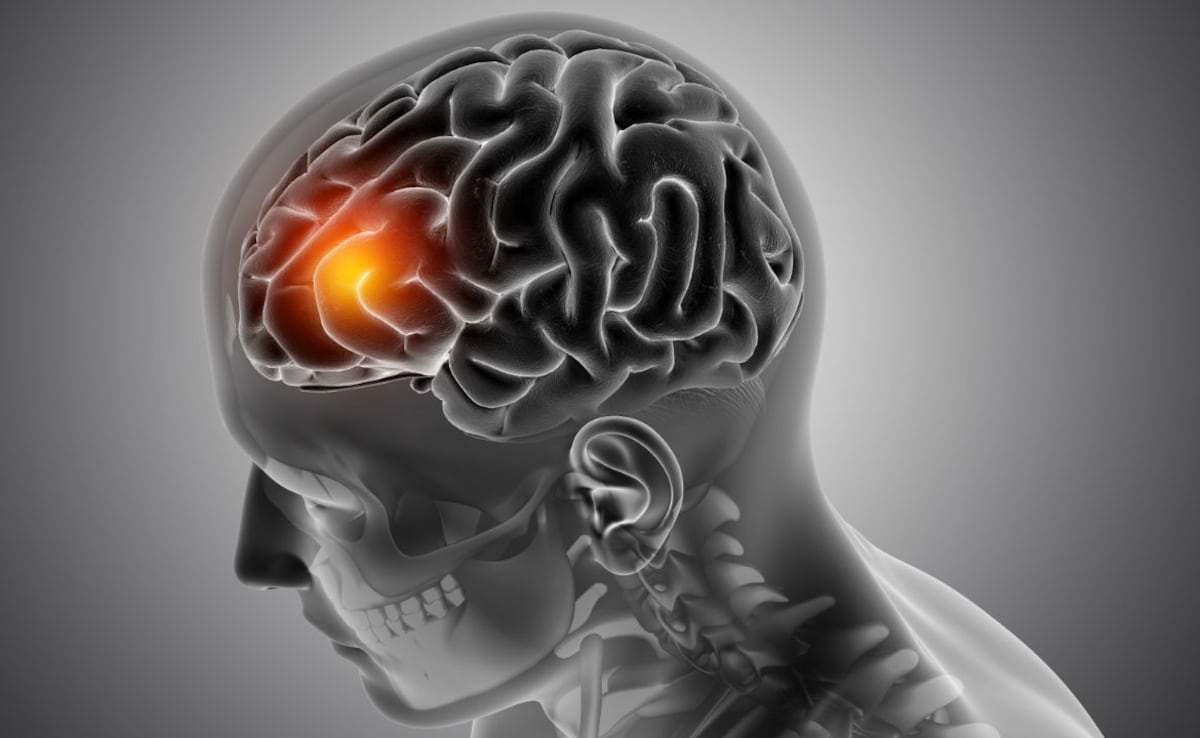
But the human brain is rarely that linear. ADHD is characterized by a deficit of dopamine in the prefrontal cortex, the area responsible for executive function and impulse control. When this area is "offline," the rest of the brain lacks a filter. A person with untreated ADHD isn't just distracted. They are bombarded by sensory input they cannot gate. Over time, this chronic inability to process the world correctly creates a feedback loop of stress, sleep deprivation, and social isolation—all known precursors to a psychotic break. CDC has analyzed this critical issue in great detail.
The medication acts as a stabilizer. It brings the prefrontal cortex back into the conversation, allowing the individual to regulate their internal and external environments. When you provide that stability, you reduce the sheer cognitive load that often leads to a mental collapse.
Following the Data Trail
The evidence for this protective effect comes from observational studies covering millions of person-years. In Sweden and the United States, researchers tracked individuals diagnosed with ADHD over decades. They compared periods when these individuals were on medication versus when they were off.
The results were consistent. During periods of active treatment, the incidence of psychotic events dropped by nearly half in some cohorts. This suggests that the "drug-induced psychosis" we see in headlines is often a result of misuse or underlying vulnerability, rather than the therapeutic use of the medication itself. We have been looking at the problem through the wrong end of the telescope. We blamed the fire extinguisher for the water damage while ignoring the fire that was already burning.
The Hidden Cost of Medical Hesitation
We live in a culture that remains deeply suspicious of "drugging children." This skepticism is often framed as a protective instinct, but in the context of ADHD, it can be a death sentence for long-term mental health. When a child with severe ADHD goes untreated, they don't just "grow out of it." They develop compensatory behaviors that are frequently destructive.
Consider the "self-medication" hypothesis. A teenager whose brain is starved for dopamine will find it elsewhere. This often leads to the use of high-potency cannabis or stimulants bought on the street. Unlike pharmaceutical-grade medication, these substances are unregulated, often laced with contaminants, and delivered in spikes that actually do trigger psychosis. By denying a child a controlled, low-dose therapeutic stimulant, we often drive them toward far more dangerous substances.
The medical community's hesitation has created a vacuum. In that vacuum, we see rising rates of co-occurring disorders. If we treat ADHD as a purely behavioral issue—a matter of "trying harder"—we ignore the physiological reality that the brain is struggling to maintain its own structural integrity.
Assessing the Vulnerability Gap
It would be irresponsible to say these medications are universally safe. They aren't. There is a specific subset of the population with a high genetic load for schizophrenia where any stimulant could potentially act as a catalyst. This is where the "art" of medicine meets the "science" of data.
The challenge for the modern practitioner is identifying who falls into that gap. It requires a level of family history and genetic screening that the current healthcare system isn't always equipped to provide. Instead of a blanket fear of the medication, we need a surgical approach to patient history. If there is a history of bipolar disorder or schizophrenia in the immediate family, the risk-benefit analysis shifts. But for the vast majority, the risk of not treating the ADHD is statistically much higher than the risk of the drug itself.
The Socioeconomic Filter
The protective effect of ADHD medication isn't just biological. It’s social. We know that stable employment, finished education, and healthy relationships are the biggest buffers against mental health decline. ADHD is a notorious "life-wrecker" if left unchecked. It leads to higher rates of incarceration, divorce, and job loss.
When a patient is medicated, they are more likely to stay in school. They are more likely to keep a job. They are less likely to end up in the criminal justice system. These are the "social determinants of health" that we often discuss in abstract terms, but they have a direct impact on whether someone stays sane. Psychosis thrives in the isolation of failure. By providing the tools for success, medication acts as a social vaccine.
The Synthetic Versus Natural Fallacy
One of the biggest hurdles in this conversation is the "natural" bias. There is an idea that therapy or lifestyle changes are always superior to a pill. While exercise and cognitive behavioral therapy are vital, they cannot always bridge a neurochemical gap. You wouldn't tell a person with Type 1 diabetes to just "think more about their insulin."
The study of the ADHD-psychosis link shows us that for many, the "natural" state of their brain is one of high-risk instability. The synthetic intervention provides the baseline needed for those other therapies to actually work. You cannot do the hard work of therapy if you are in a state of constant neurological "noise."
Rethinking the Standard of Care
The shift in perspective required here is massive. We have to stop viewing ADHD medication as a performance enhancer for the classroom and start seeing it as a long-term neuroprotective strategy. This requires a longer view of patient health than the current six-month or one-year check-up cycles.
We also have to confront the reality of the "adhd-to-prison" pipeline. A significant portion of the incarcerated population meets the criteria for ADHD. Many of these individuals experienced their first psychotic or violent episode while unmedicated and self-medicating with illegal substances. If we had intervened with proper pharmacological support in their youth, the cost to society—and the cost to those individuals—would have been a fraction of what it is now.
Precision Over Procrastination
The takeaway for parents and patients isn't that everyone needs a pill. It’s that we need to stop treating ADHD as a "lifestyle choice" or a "fake disorder." It is a fundamental difference in brain wiring that carries heavy consequences. The data is clear. The "cautious" approach of waiting until things get "bad enough" to medicate is actually the most dangerous path we can take.
The protective benefits only accrue when treatment is consistent and managed by an expert who understands the nuances of the individual's history. The goal isn't just to get through the school day. The goal is to preserve the integrity of the mind for the next fifty years.
Ask your doctor for a full family mental health screening before dismissing the possibility of long-term ADHD treatment.