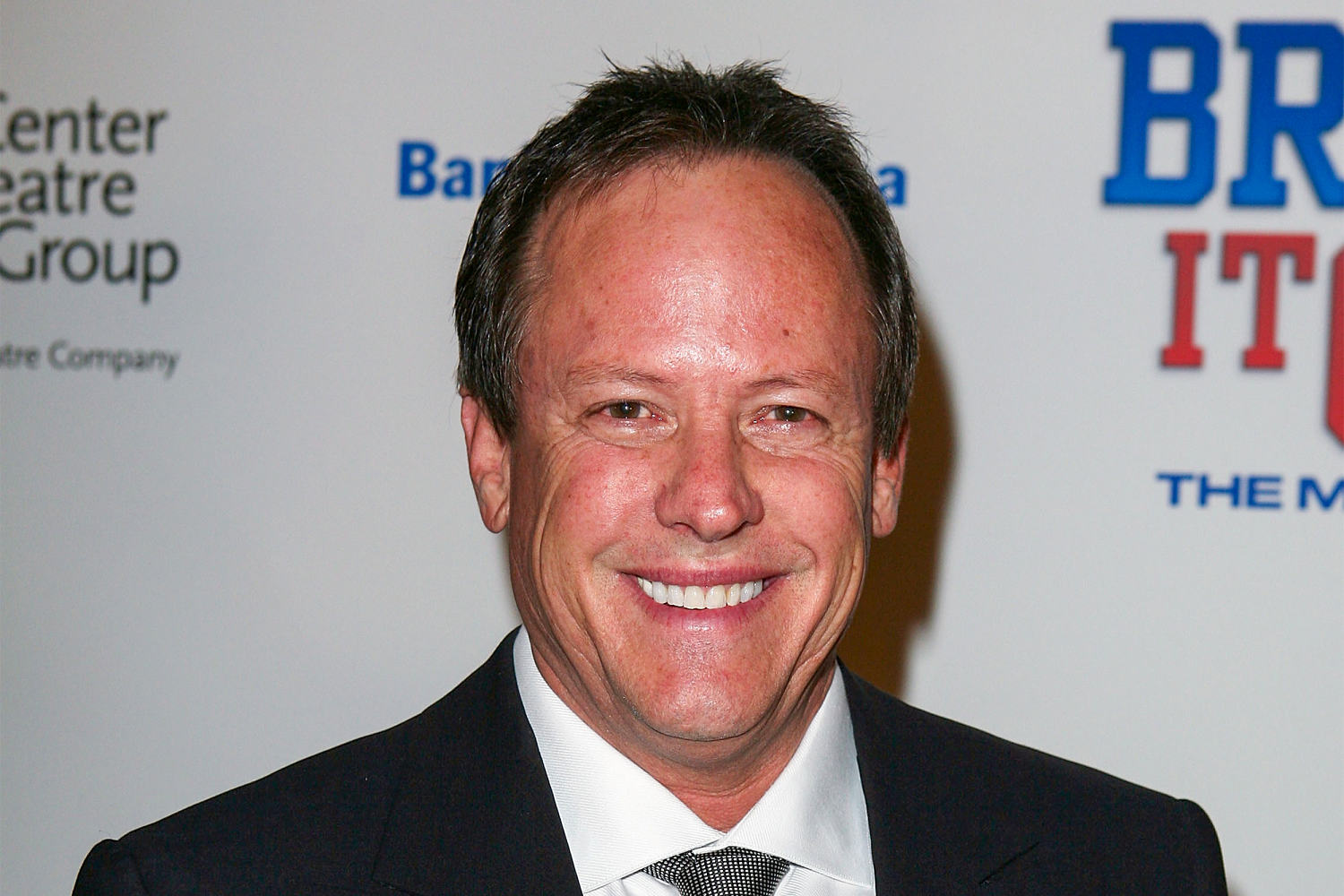
Abivax CEO Marc de Garidel isn't looking for a quick exit or a desperate handshake. While the biotech market often feels like a high-stakes sprint to find a deep-pocketed partner, the leadership at Abivax is playing a much longer game. They've made it clear that they aren't in a rush to sign a deal for their lead drug candidate, obefazimod. They’re waiting for June. That’s when the Phase 3 data for ulcerative colitis hits the light of day. If those numbers look the way they expect, the valuation of the company—and the price of a partnership—changes overnight.
It’s a gutsy move. Most small-cap biotech firms live in fear of a "data miss" that wipes out their market cap. But de Garidel’s recent comments to CNBC suggest a level of confidence that you don't see every day in the C-suite. He knows what he has. He knows the inflammatory bowel disease market is hungry for something that actually works without the heavy side effects of current biologics. By holding out, Abivax is betting that June's results will turn them from a seeker into a prize.
The Strategy Behind Waiting for June Results
In the world of drug development, timing is everything. Signing a deal now would mean leaving money on the table. Pharmaceutical giants aren't known for overpaying when there’s still clinical risk involved. By waiting for the Phase 3 data, Abivax removes the biggest "if" in their story.
You have to look at the mechanism of action here. Obefazimod isn't just another me-too drug. It targets miR-124, which helps regulate the inflammatory response. Most treatments on the market today just try to blunt the immune system. This approach is different. It’s more about restoration than suppression. If the June data confirms that this translates into long-term remission for ulcerative colitis patients, Abivax won’t just be looking for a partner. They’ll be looking for the best possible terms.
De Garidel has been around the block. He’s seen how Big Pharma operates. He understands that a "clean" Phase 3 result makes a company an acquisition target or a high-value partner. Why sell a slice of the pie for a few hundred million now when you can command billions in a few months? It’s basic leverage.
Why Ulcerative Colitis is the Ultimate Proving Ground
Ulcerative colitis (UC) is a brutal disease. Patients go through cycles of flares and remission, and many eventually stop responding to standard treatments. It’s a massive market, but it’s also crowded. To win here, you need more than just "okay" efficacy. You need a safety profile that allows for long-term use and a delivery method that doesn't make a patient's life a series of hospital visits.
Obefazimod is an oral treatment. That’s a huge deal. Patients hate needles. If you can give them a pill that works as well as an infusion, you’ve already won half the battle. But the real kicker is the durability of the response. Abivax has shared data in the past showing that patients stay better for longer. If the June results confirm this in a large, diverse Phase 3 population, the drug becomes a must-have for any major player in the immunology space.
The market size for UC is expected to keep growing as diagnosis rates climb globally. We’re talking about a multi-billion dollar opportunity. When de Garidel says he’s in no rush, he’s looking at these market dynamics. He knows that companies like AbbVie, Takeda, and Pfizer are always looking to bolster their immunology portfolios. They’re watching these results just as closely as the investors are.
Breaking Down the Clinical Expectations
What does a win look like in June? It’s not just about hitting the primary endpoint. That’s the bare minimum. To truly shift the needle, Abivax needs to show:
- High clinical remission rates: This is the gold standard.
- Endoscopic improvement: Evidence that the gut is actually healing, not just that the symptoms are masked.
- A clean safety profile: No weird heart issues or severe infections that plague some other classes of drugs.
If they hit all three, the stock likely moves in a way that makes a pre-data deal look like a fire sale. Investors often get nervous when a CEO talks about "no rush," fearing that they might be too picky. In this case, it feels less like ego and more like a calculated financial strategy.
The Risk of the Lone Wolf Approach
Let’s be real. Betting it all on one data point is terrifying. If the June results are muddy or fail to meet the primary endpoint, Abivax has very little to fall back on in the short term. The "no rush" stance would suddenly look like a massive tactical error.
But biotech is a high-risk, high-reward industry. De Garidel is essentially telling the market that the internal data they’ve seen so far gives them a high degree of certainty. They’ve already seen positive Phase 2b results. Usually, if a drug works well in a large Phase 2b trial, the Phase 3 results tend to follow suit, provided the trial design is sound. Abivax has spent a lot of time ensuring their trial design is airtight.
They’ve also secured the funding needed to get to this point. They aren't running out of cash next week. That financial runway gives them the luxury of patience. Most companies "rush" into deals because they’re staring at a balance sheet that’s about to hit zero. Abivax isn't in that position. They can afford to wait for the June data to do the talking.
What This Means for Investors and Competitors
If you’re an investor, you’re looking at a binary event. June is the "make or break" moment. But for competitors, it’s a warning shot. If Obefazimod delivers, it sets a new bar for what a successful UC treatment looks like.
Big Pharma companies are currently sitting on mountains of cash. They need new growth drivers as older drugs lose patent protection. A successful Phase 3 drug in a major therapeutic area is the holy grail. By holding out, Abivax is forcing these giants to prepare for a bidding war rather than a quiet negotiation.
Think about the recent history of biotech M&A. The deals that happen after data are almost always significantly larger than those that happen before. Look at the premiums paid for companies like Prometheus Biosciences. The market is willing to pay for certainty. Abivax is just waiting to provide that certainty.
The Management Factor
Marc de Garidel isn't a novice. His track record at companies like Ipsen and Corvidia Therapeutics shows he knows how to build value and exit at the right time. When a guy with his resume says he’s confident, it carries weight. He isn't just a scientist with a dream; he’s a strategist who understands how to squeeze every bit of value out of an asset.
He’s also been very transparent about the company's goals. They want to maximize the value for shareholders. Sometimes, the best way to do that is to say "no" to the first few offers that come across the desk. It’s the "know your worth" school of business management.
Practical Steps for Following the Abivax Story
If you’re tracking this company, don't just wait for the June press release. Watch the lead-up. Here is how to stay ahead of the curve:
- Monitor the 12-month maintenance data: Sometimes companies drop smaller data sets or posters at medical conferences before the big Phase 3 announcement. These are breadcrumbs.
- Watch the immunology sector M&A: If a competitor gets bought for a high multiple, it resets the valuation for everyone else in the space, including Abivax.
- Check the short interest: High short interest before a major data drop usually means people are betting on a failure. If the shorts start covering, it might mean the market is leaning toward a positive outcome.
- Look at the hiring: Is Abivax hiring sales and marketing people? If they start building out a commercial infrastructure, it means they’re serious about going it alone if the deal terms aren't perfect.
The strategy is clear. Abivax is betting that the quality of their science will dictate the terms of their future. June will tell us if they were right. Until then, the CEO is content to sit back and wait for the value to realize itself. They don't need a deal today because they expect a much better one tomorrow. That’s the kind of confidence that either makes a company a legend or serves as a cautionary tale. Given the data seen so far, the "legend" side of the coin looks a lot more likely.