The screen flickers a deep, digital green. To a trader in a glass tower in London, the number 90 is a psychological barrier, a data point that triggers a flurry of buy orders and a spike in adrenaline. But five thousand miles away, in the shimmering heat of the Burgan field, that number isn't an abstraction. It is the sound of a valve turning. It is the heavy, metallic thud of a decision made in a boardroom translated into the physical world of sand and steel.
Oil is a ghost that haunts every room you enter. It is in the plastic of your keyboard, the synthetic fibers of your carpet, and the silent logistics of the truck delivering your groceries. When Brent crude crosses the $90 mark, the world feels a phantom tightening of the chest. We are watching a high-stakes game of musical chairs where the chairs are storage tanks and the music has suddenly stopped.
The Concrete Wall of the Storage Crunch
Imagine a bathtub that never stops running. For months, the global supply of oil has been pouring in, filling the porcelain basin to the very lip. In Kuwait, that basin is screaming. The country has hit a physical limit that most of us never have to contemplate: they have run out of places to put the "black gold" they worked so hard to extract.
When storage facilities reach capacity, the industry hits a fundamental crisis of physics. You cannot simply let the oil spill onto the desert floor. You cannot pause the earth's internal pressure. In Kuwait, the state-run tankers and coastal reservoirs are bloated. This isn't a theoretical oversupply mentioned in a dry quarterly report. It is a logistical nightmare where every gallon of new production represents a liability instead of an asset.
Kuwait has begun curbing its output not necessarily because it wants to drive prices higher—though the revenue is a welcome side effect—but because it has no choice. It is the ultimate irony of the energy world. A nation built on the abundance of a resource is now being forced to choke its own lifeline because it is too successful at bringing it to the surface.
The Human Toll of the Upstream Squeeze
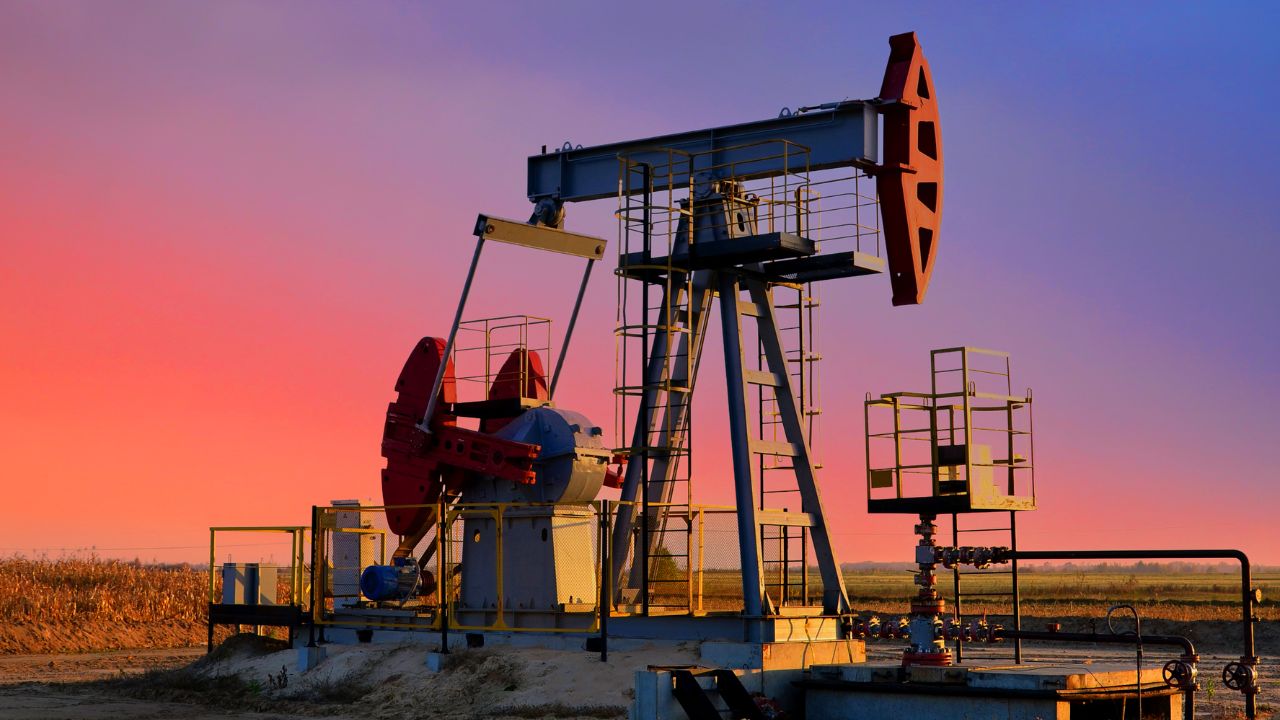
Think of a petroleum engineer named Ahmed. He has spent twenty years mastering the delicate balance of pressure and flow. To Ahmed, a shut-in—the industry term for closing a well—is a traumatic event. It isn't as simple as flipping a light switch. Reservoirs are living, pressurized ecosystems. When you stop the flow, you risk damaging the subterranean architecture that allows the oil to move.
The decision to curb output sends a ripple of anxiety through the ranks of the Kuwait Oil Company. It means maintenance schedules are thrown into chaos. It means the specialized crews who live and breathe the rhythm of the pumps are suddenly idling. The silence in the oil fields is louder than the roar of the machinery. It is a silence that signals a shift in the global order.
While the world watches the $90 ticker with a mix of dread and fascination, the men and women on the ground are dealing with the mechanical reality of a glut. They are the ones who have to manage the "back-pressure," ensuring that when the world eventually demands more, the wells haven't been choked into permanent submission.
The Invisible Physics of Global Pricing
Why does a storage crunch in the Middle East make your commute in Ohio or your heating bill in Berlin more expensive? It comes down to the terrifyingly tight margin of global energy. The world consumes roughly one hundred million barrels of oil every single day. When a major producer like Kuwait pulls back—even by a few hundred thousand barrels—it isn't just a loss of volume. It is a loss of a safety net.
Market speculators are not looking at today; they are looking at the terrifying void of tomorrow. They see Kuwait’s full tanks as a sign that the buffer is gone. If a storm hits the Gulf of Mexico, or a pipeline in Central Asia undergoes a "technical glitch," there is no spare capacity left to catch the fall.
The $90 price point is a fever dream of scarcity. It reflects the realization that we are living on a knife's edge. We have spent the last decade assuming that supply was an infinite tap. We are now learning that the plumbing is brittle.
Consider the mathematics of the modern refinery. These massive industrial cathedrals are tuned to specific grades of crude. Kuwaiti oil is a staple of the global diet. When that specific ingredient is removed from the menu, refineries have to scramble for substitutes. This creates a bidding war for "sweet" or "sour" crudes from other regions, driving the entire complex upward in a frantic, spiraling dance.
The Geopolitical Chessboard
This isn't happening in a vacuum. Kuwait’s move coincides with a broader tightening of the belt across the OPEC+ alliance. For months, the narrative was one of transition—moving away from fossil fuels toward a greener horizon. But the $90 Brent price is a blunt reminder of our current dependency.
There is a tension between the long-term goals of the planet and the short-term survival of economies. High oil prices act as a regressive tax on the poorest nations, those who cannot afford to subsidize the transition. For a family in a developing nation, that $90 price isn't a headline in the business section; it is the reason they can only afford two meals a day instead of three.
We often speak of "energy security" as if it were a military term. In reality, it is a human term. It is the security of knowing that the lights will stay on and the trucks will move. When Kuwait begins curbing output because of a storage crunch, they are signaling that the world’s logistical stomach is full, even as its appetite remains ravenous.
The Fragility of the Flow
The complexity of the oil market is often hidden behind layers of jargon—contango, backwardation, spot prices, and futures. Strip it all away, and you are left with a very simple story: we are a species that has built its entire civilization on a liquid that is increasingly difficult to manage.
The storage tanks in Kuwait are a metaphor for our own limitations. We can extract, we can refine, and we can consume, but we struggle to balance the rhythm. The "crush" is a physical manifestation of a systemic failure to coordinate. We pump when we should save, and we choke the flow when the world is most desperate for stability.
There is a peculiar loneliness in the desert at night. The flares from the refineries cast long, flickering shadows over the dunes. For the workers there, the global economy is something they feel in the vibration of the pipes beneath their feet. They know what the traders are only just realizing: the era of cheap, easy, and endlessly available energy is being squeezed by the very infrastructure meant to hold it.
The $90 mark is more than a number. It is a warning. It tells us that the margins are gone. It tells us that a storage tank in the Middle East has more power over your bank account than your local politician. As Kuwait continues to turn those valves, the world watches the green numbers on the screen, waiting to see if the pulse will stabilize or if the pressure will finally cause the system to crack.
A single technician stands before a gauge, his hand resting on a wheel that has been polished smooth by decades of use. He isn't thinking about the NYSE or the headlines in the West. He is listening to the groan of the metal, the protest of a system forced to hold back what it was designed to release. He turns the wheel. The flow slows. Somewhere, a world away, a price ticker blinks, and the cost of being alive goes up once again.