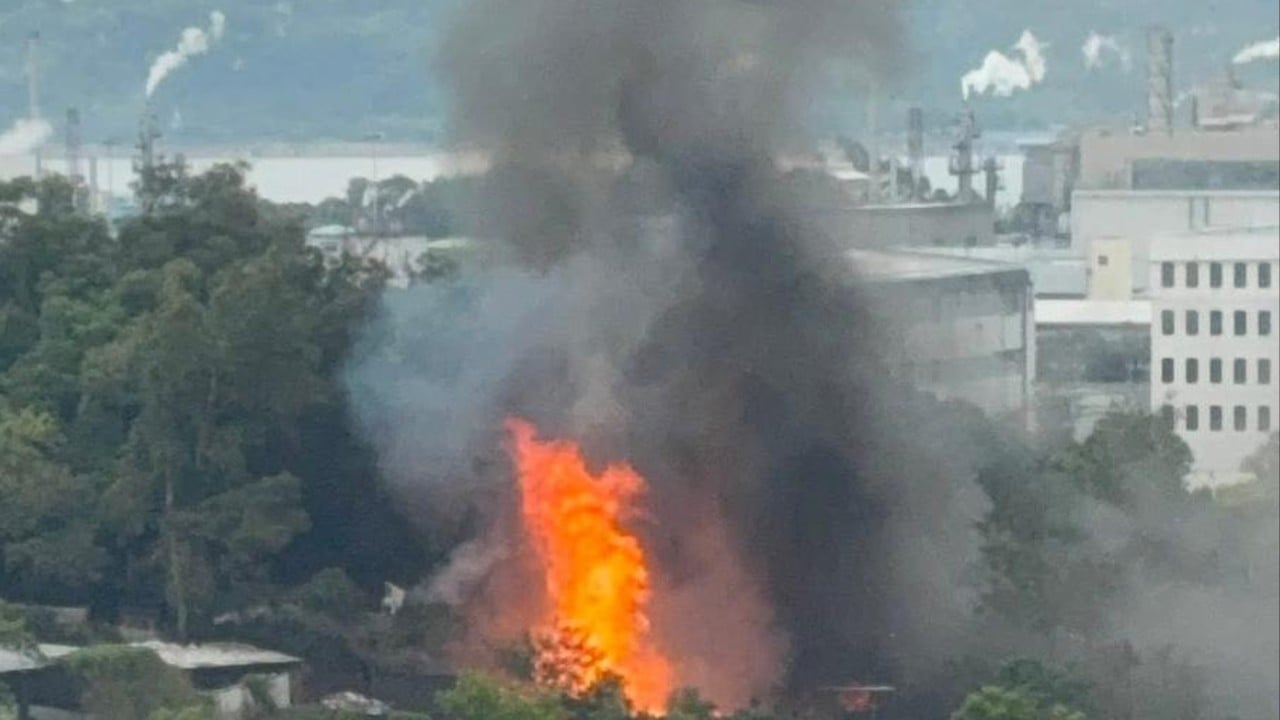
The United States military has officially crossed a grim milestone in its campaign against Tehran, striking over 9,000 targets within Iranian territory since the commencement of Operation Epic Fury on February 28. This figure, confirmed by U.S. Central Command, represents a kinetic intensity rarely seen in the 21st century. While President Donald Trump insists that the "war is essentially over" and that he has "obliterated" the Islamic Republic’s ability to project power, the ground reality suggests a more fractured and dangerous stalemate. Washington is currently attempting to pivot from fire to ink, presenting a 15-point ultimatum to a regime that remains remains operational despite the decapitation of its top leadership.
At the heart of this escalation is a simple, terrifying calculation: the total degradation of Iran’s conventional and unconventional assets to force a signature on a document that would effectively end its regional ambitions. The 9,000 strikes have not just hit missile silos and drone factories; they have systematically dismantled over 140 naval vessels and crippled the IRGC's intelligence infrastructure. Yet, as the smoke clears over Isfahan and Tehran, the question remains whether a regime can be bombed into a "productive conversation" or if the U.S. is merely clearing the path for a chaotic power vacuum that no amount of precision-guided munitions can fill. Don't forget to check out our previous coverage on this related article.
The 15 Points of Capitulation
The Trump administration’s diplomatic strategy is currently being funneled through Pakistani intermediaries, delivering a framework that goes far beyond any previous nuclear agreement. This isn't a negotiation; it is a demand for a total reset of the Iranian state.
- Nuclear Extraction: The physical removal of all enriched uranium from Iranian soil.
- Missile Neutering: A total halt to the development of long-range ballistic missiles.
- Regional Retraction: The cessation of all funding and logistics for proxy groups across the Levant and Yemen.
- Verification without Borders: Granting international inspectors unfettered, immediate access to any site in the country, military or civilian.
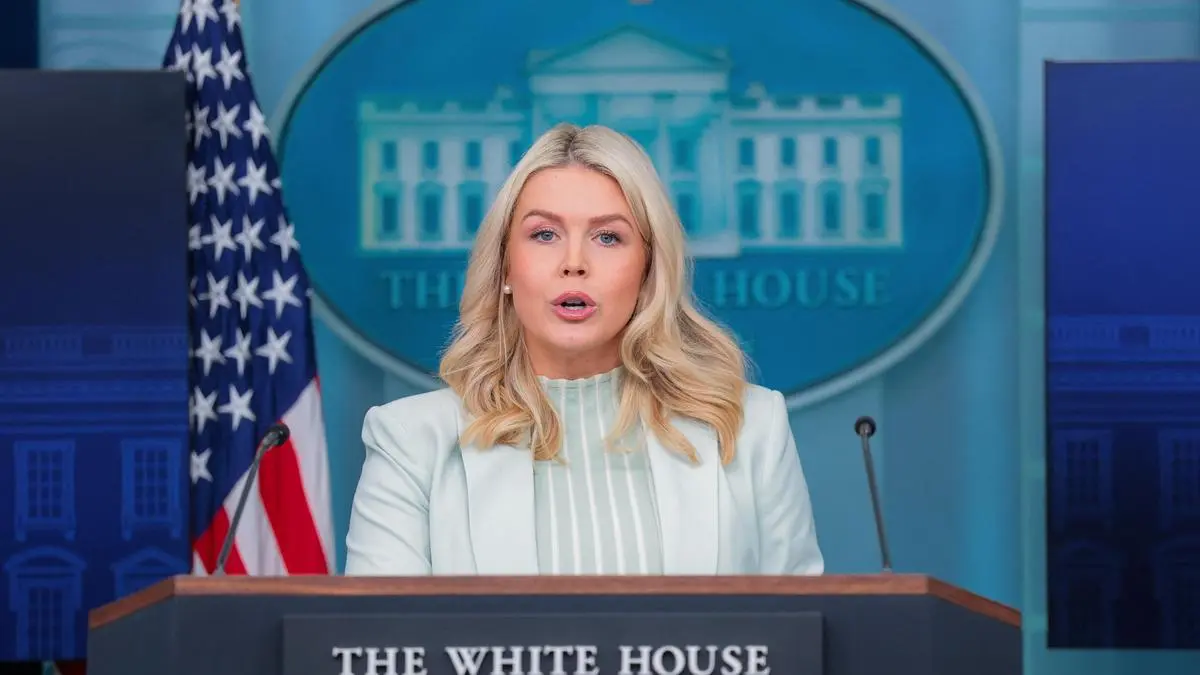
White House spokesperson Karoline Leavitt has been blunt, stating that the President "does not bluff" and is prepared to "bring hell" if these terms are not met. This rhetoric serves two masters: it reassures an anxious global market that a resolution is near, and it warns the surviving Iranian leadership—now led by the late Ali Khamenei’s son—that their survival is tied strictly to their compliance. If you want more about the context of this, NBC News offers an in-depth summary.
The Strategic Limits of Tactical Success
Military analysts are quick to point out that hitting 9,000 targets is a tactical triumph, but its strategic value is still in doubt. Iran’s military doctrine has always prioritized asymmetric resilience. Even with their primary naval assets at the bottom of the Persian Gulf, the IRGC has managed to keep the Strait of Hormuz a high-risk zone through the use of sophisticated underwater mines and mobile coastal batteries that have evaded detection.
The economic toll has been staggering. While oil prices dipped briefly to $97 a barrel following Trump’s claims of "productive talks," they have since rebounded above $100 as Tehran continues to deny that any formal negotiations are taking place. The "gift" that Trump alluded to regarding Iranian oil and gas remains a phantom, as the regime’s energy infrastructure remains under the threat of total destruction if the five-day ultimatum for opening the Strait is not met.
The Invisible Ground War
Despite the administration’s public aversion to "boots on the ground," the movement of elite units tells a different story. The 82nd Airborne Division’s Immediate Response Force and the 31st Marine Expeditionary Unit are currently amassing in the region. These are not peacekeeping forces; they are specialized units designed for "forced entry" operations.
The potential target is Kharg Island, the terminal through which 90% of Iran’s oil exports flow. Control of Kharg would give Washington a total stranglehold on the Iranian economy, but it would also force the U.S. into a direct occupation of Iranian territory—a scenario that could lead to the very "quagmire" that Trump campaigned against.
The Nuclear Breakout Shadow
The intelligence community, led by DNI Tulsi Gabbard, has cautioned that the regime is "degraded but intact." This is a crucial distinction. A wounded animal is often more dangerous, and there are mounting fears that the remnants of the Iranian nuclear program may be accelerated in a "use it or lose it" frenzy.
The U.S. and Israel have successfully hit several known enrichment facilities, but the "known" is the operative word. Iran has spent decades burying its most sensitive technology deep within mountain ranges like Zagros, in facilities designed to withstand exactly the kind of "Epic Fury" currently being unleashed. If the 15-point plan fails to secure the physical removal of fissile material, the strikes may have only delayed the inevitable rather than preventing it.
Regional Isolation and the China Factor
A significant overlooked factor in this conflict is the shifting stance of America’s traditional allies. Germany and France have remained pointedly distant, with leaders like Sir Keir Starmer stating they do "not believe in regime change from the skies." This has left the U.S. and Israel in a lonely partnership, bearing the full brunt of the military and economic costs.
Meanwhile, the rescheduling of the U.S.-China summit to May 14 suggests that Beijing is waiting in the wings. China remains the largest consumer of Iranian oil, and their "glimmer of hope" for a peace proposal is likely a move to secure their energy interests before the U.S. can permanently alter the regional map.
The Human Cost of the Ultimatum
Inside Iran, the situation is catastrophic. The 9,000 strikes have caused at least 3,200 deaths, according to rights groups, with infrastructure damage leaving millions without reliable power or water. The administration’s hope that this would trigger a popular revolution has so far met the hard wall of the regime’s security apparatus, which, though battered, remains willing to use lethal force against its own citizens to maintain control.
The "maximum pressure" of 2026 is no longer just about banking sanctions and travel bans; it is about the systematic deconstruction of a nation's capacity to function. If the "exit" that the White House claims Iran is seeking does not materialize within the next 72 hours, the next phase of the operation—targeting the civilian power grid—could turn a military conflict into a humanitarian disaster of unprecedented scale.
The 9,000 strikes were intended to be a period at the end of a sentence. Instead, they have acted as a series of ellipses, leading into a future where the only certainty is more fire.
Would you like me to analyze the specific economic impact of the Strait of Hormuz closure on 2026 global inflation rates?