Ronald Wayne is the name most people forget when they talk about the founding of Apple. Everyone knows Steve Jobs. Most people know Steve Wozniak. But there was a third founder sitting in that garage in 1976. He owned ten percent of the company. Twelve days later, he gave it all away for $800.
If he held onto that stock, it would be worth hundreds of billions today. People call it the worst deal in business history. They look at him with a mix of pity and disbelief. How do you walk away from that kind of wealth? In similar news, read about: The Volatility of Viral Food Commodities South Korea’s Pistachio Kataifi Cookie Cycle.
I look at it differently. Ronald Wayne did not make a mistake based on stupidity. He made a decision based on fear and past failure. When you understand the actual context of 1976, his choice makes a lot more sense than the internet legends suggest. He was not a fool. He was just a guy who valued his sanity more than a lottery ticket.
Why Ron Wayne Cashed Out of Apple So Early
To understand Wayne's decision, you have to look at who he was compared to the two Steves. Jobs was 21. Wozniak was 25. Wayne was 41. He was the adult in the room. He had a real job at Atari, where he met Jobs. Investopedia has provided coverage on this fascinating topic in great detail.
Jobs and Wozniak were brilliant but chaotic. They did not know how to run a business. They brought Wayne in to be the tie-breaker and to write their original partnership agreement. Wayne even drew the very first Apple logo, a pen-and-ink drawing of Isaac Newton sitting under a tree.
He got a 10% stake for his trouble. So, why did he bounce after less than two weeks?
It came down to legal liability.
Apple was not a corporation back then. It was a partnership. In a legal partnership, every partner is personally responsible for the debts of the business. If the business goes under and owes money, creditors can come after your personal assets.
Jobs had just taken out a loan to buy parts for Apple's first big contract with the Byte Shop. He bought around $15,000 worth of materials on credit.
But Jobs and Wozniak had no money. They had no property.
Wayne did. He had a house. He had assets that debt collectors could seize.
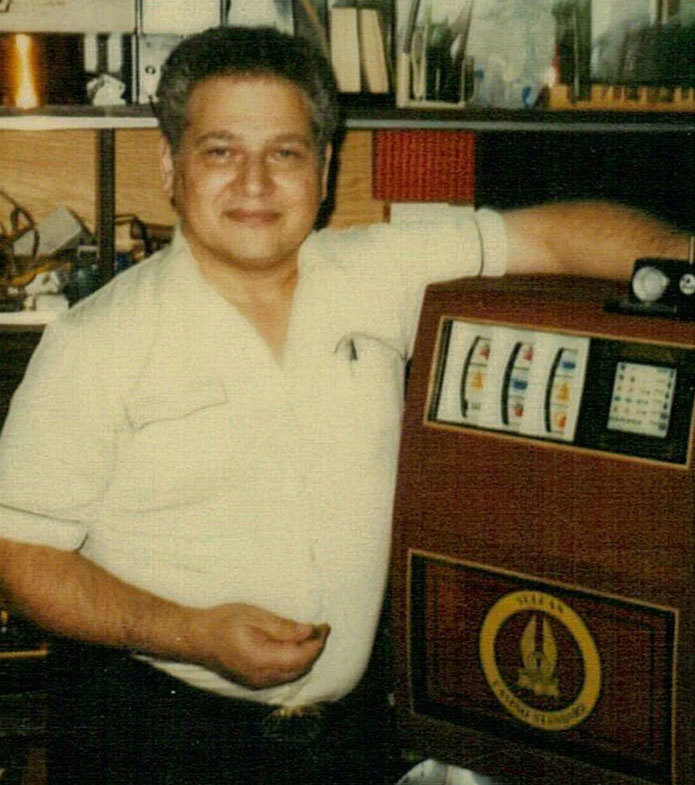
He had also been burned before. A few years earlier, he started a slot machine company that failed. He spent a long time paying off those debts himself. He did not want to go through that again with two kids who seemed like wild cards.
He saw himself standing between two giants of intellectual energy and felt like he was standing in the shadow of giants. He did not think he could keep up with their pace. So he signed his shares back to them for $800. Later, he received another $1,500 to forfeit all claims against the company.
The Myth of the Forgotten Founder
People love a tragedy. The media frames Wayne as a broken man living in a trailer park, crying over what might have been. That is a convenient narrative, but it does not match the reality of the man himself.
I have read his interviews. Wayne has said repeatedly that he does not regret the decision.
He knew his own limits. He was a mechanical engineer, not a cutthroat corporate executive. He believed that if he stayed at Apple, he would have ended up in the documentation department shuffling papers for the next twenty years. He did not want that life.
He also pointed out something that critics always ignore. If he stayed at Apple and owned 10% of the company, that percentage would not have stayed at 10%. As Apple brought on venture capitalists and went public, his shares would have been heavily diluted. He still would have been incredibly rich, sure. But it is not as simple as multiplying today's market cap by 0.10.
There is another twist to this story that hurts more than the stock sale.
Wayne kept the original contract he drew up for Apple. It was signed by him, Jobs, and Wozniak. In the early 1990s, he sold that original contract to a manuscript dealer for $500.
In 2011, that same contract sold at an auction for $1.59 million.
That is the sale Wayne actually admits he regrets. He had the physical asset sitting in his home and let it go for peanuts.
What You Can Learn From the Apple Contract Disaster
Most people read this story and think, "I would never do that."
Yes, you would. You make decisions based on the information you have at the time, not on what the world looks like fifty years later. Hindsight makes everyone look like a genius and every cautious person look like a coward.
There are actual business lessons here that apply to anyone starting a company today.
First, protect your personal assets. Wayne was right to be scared of a partnership structure. Today, we have Limited Liability Companies (LLCs) and S-Corporations for a reason. They separate your personal wealth from your business debts. If Wayne had started Apple as a corporation from day one, his risk profile would have looked completely different. He might have stayed.
Second, understand your risk tolerance. Wayne knew he did not have the stomach for the startup roller coaster. He was older. He had responsibilities. If you are starting a side hustle or joining a new venture, you need to be honest about how much stress you can actually handle. There is no shame in wanting a steady paycheck.
Third, do not beat yourself up over missed boats. You cannot predict the future. Wayne did not have a crystal ball. He saw a risky bet with two volatile young men and chose security.
Stop looking at Ronald Wayne as a punchline. He made a logical decision based on his past failures and his current financial reality. He chose peace of mind over a high-risk gamble. Most of us do that every single day.
If you are currently setting up a business partnership, do not rely on a handshake or a template you found online. Go pay a lawyer to set up a proper LLC. Separate your personal bank accounts from your business accounts immediately. Do not put your personal assets on the line for a business debt unless you absolutely have to. That is how you avoid becoming the next Ron Wayne, without having to wonder if you just gave away billions.